Touring Setup
Best Panniers for Indian ADV Riders: Hard vs Soft in 2026
Best panniers motorcycle india guide for Indian riders — fitment specifics, real-world advice and performance insights. No filler.

Best Panniers for Indian ADV Riders: Hard vs Soft in 2026
By Rawtorque | May 2026 | 15 min read
Riding an ADV in India isn't just a hobby; it's a way of life, an escape to the Himalayas, the Western Ghats, or the deserts of Rajasthan. To truly conquer these diverse terrains and long-haul rides, your luggage setup needs to be as robust and reliable as your machine. Choosing the best panniers motorcycle india 2026 adv touring setup means understanding the demands of our roads, from smooth NH44 stretches to broken trails in remote villages. This guide cuts through the noise to give you the real talk on hard versus soft panniers for all ADV Bikes, ensuring your gear stays safe and secure, no matter where your adventure takes you.For the best panniers motorcycle india 2026 adv touring, riders should weigh hard cases for superior security and weather protection on highways against soft panniers for their flexibility, lighter weight, and off-road resilience. Consider specific Indian conditions like monsoon rains, dusty trails, and rough terrain. Ultimately, the choice for All ADV Bikes depends on your primary riding style: aggressive off-road demands soft luggage, while long-distance touring with valuables favors hard cases.
What This Guide Covers
- Quick Answer: The gist of choosing panniers for Indian ADV touring.
- Hard Panniers: Advantages, disadvantages, and what to look for.
- Soft Panniers: Advantages, disadvantages, and key considerations.
- Key Considerations: Capacity, mounting, waterproofing, security, and more.
- Beyond Panniers: Complementary luggage and accessories.
- Installation & Maintenance: Getting the most out of your setup.
- Frequently Asked Questions: Common queries addressed.
Hard Panniers: Robust Protection for Long Hauls on All ADV Bikes
Hard panniers are the go-to choice for many riders clocking serious highway miles across India. Think of them as reinforced safes for your gear, offering unparalleled protection against impacts, theft, and the elements. Whether you're cruising down NH66 or navigating crowded city streets, the peace of mind that comes with knowing your valuables are locked down is significant.Why Hard Panniers Matter on Indian Roads
Indian roads are a mixed bag. You've got long, open highways, but also unpredictable traffic, stray cattle, and occasional rough patches even on major routes. Hard panniers excel here.- Impact Protection: A minor bump or a low-speed tip-over on an unpaved road can be disastrous for soft luggage. Hard cases, typically made from aluminium or heavy-duty plastic, absorb impacts, protecting contents. This is crucial when you're carrying expensive camera gear or electronics.
- Security: The biggest draw for touring in India. With hard panniers, you can confidently leave your bike parked for a chai break or a quick stop without constantly worrying about someone trying to pry open your luggage. Most come with integrated locks or provisions for padlocks.
- Weatherproofing: Monsoons hit hard in India. A good set of hard panniers will be virtually waterproof and dustproof, keeping your clothes and electronics dry and clean through torrential downpours and dusty arid zones like Rajasthan.
- Structural Integrity: They maintain their shape, making packing easier and preventing items from shifting excessively, which can be a pain on long rides.
What to Look For in Hard Panniers for All ADV Bikes
When you're shelling out good money for a hard luggage setup, don't compromise. Here’s what matters:-
Material:
- Aluminium: Lightweight, strong, and repairable (can be welded). Look for aviation-grade aluminium, typically 1.5mm to 2mm thick. Offers a classic ADV aesthetic.
- High-Impact Plastic (e.g., ABS, Polypropylene): Often lighter than aluminium, resistant to dents (they flex and return), but can crack in extreme impacts. Check for UV resistance to prevent degradation under the Indian sun.
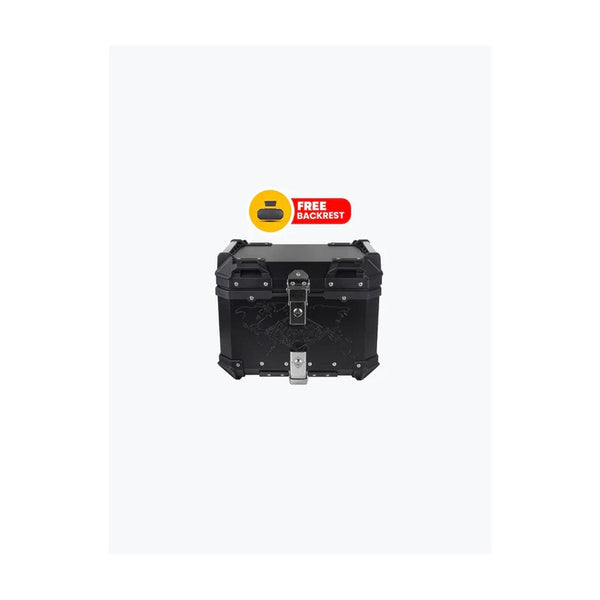
- Capacity: Typically measured in litres. For an average Indian ADV tour, aim for at least 30-40 litres per pannier. Consider a top box for extra capacity, often around 40-50 litres. Remember, wider panniers can affect filtering through traffic.
-
Mounting System: This is critical.
- Bike-Specific Racks: Essential for a secure fit. Look for robust, powder-coated steel racks that integrate well with your bike's frame (e.g., specific racks for Royal Enfield Himalayan 450, KTM Adventure, Triumph Tiger). They should be designed to distribute weight evenly and withstand vibrations.
- Quick-Release Mechanism: A good system allows you to detach the panniers quickly when needed, without compromising security when locked. Check for solid locking points.
- Offset for Exhaust: Many ADV bikes have high-mounted exhausts. Ensure the pannier system accounts for this, often with a smaller pannier on the exhaust side or an offset rack.
-
Sealing & Latches:
- Gasket Seal: A robust rubber gasket around the lid is non-negotiable for waterproofing and dustproofing.
- Heavy-Duty Latches: Stainless steel or high-strength plastic latches that close securely and can be locked.
- Corner Protection: Reinforced corners (often plastic or thicker metal) help absorb impacts and prevent damage, especially important if you plan to tackle light off-roading.
- Internal Tie-Down Points: Straps or hooks inside help secure your gear, preventing it from rattling around and getting damaged.
- Price: Quality hard pannier sets (including racks) for All ADV Bikes can range from INR 35,000 to INR 90,000+, depending on brand, material, and capacity. Consider this an investment in your peace of mind and gear safety.
When selecting hard panniers, don't skimp on the mounting system. A flimsy rack will fail, regardless of how good your panniers are. Invest in high-quality crash guards and bike protection alongside your luggage setup for comprehensive safety. Ensure the weight distribution doesn't negatively impact your bike's handling, especially on twisty mountain passes or during sudden braking.
Soft Panniers: Flexible, Forgiving, and Lightweight for Off-Road Adventures
Soft panniers are the choice for riders who prioritize flexibility, lighter weight, and tackling more aggressive off-road terrain. They are less rigid, more forgiving in a fall, and generally lighter, making them ideal for navigating narrow trails or situations where your bike might take a tumble. For the rider whose journey takes them deep into the wilderness, away from paved roads, soft panniers are often the best panniers motorcycle india 2026 adv touring option.Why Soft Panniers Matter for Indian Off-Roading
India's diverse landscape includes countless trails, forest roads, and unpaved routes that are a joy to explore on an ADV. Soft panniers shine in these environments.- Off-Road Resilience: In a fall, soft panniers tend to compress or slide rather than crack or dent, often sustaining less damage than hard cases. They can also absorb impacts from branches or rocks without permanent deformation.
- Lighter Weight: Generally lighter than hard cases, reducing the overall weight on your bike, which can improve handling, especially in technical off-road sections.
- Flexibility: They can expand or compress depending on how much gear you’re carrying. This flexibility is great for packing odd-shaped items or for daily riding when you don't need full capacity.
- Narrower Profile: Often sit closer to the bike, making it easier to filter through tight spots, navigate dense traffic, or squeeze through narrow trails without snagging. This is a significant advantage in many Indian towns and rural areas.
- Comfort in a Fall: If you come off your bike and your leg gets trapped under a soft pannier, it’s generally less likely to cause injury compared to a rigid hard case.
What to Look For in Soft Panniers for All ADV Bikes
Soft panniers aren't just glorified sacks; modern designs offer impressive features.-
Material & Durability:
- Heavy-Duty Fabric: Look for materials like 1000D Cordura, Hypalon, or PVC-coated polyester. These offer excellent abrasion resistance and tear strength. Hypalon is particularly good for high-wear areas due to its extreme durability.
- Reinforced Stitching: All seams should be double or triple stitched, especially at stress points.
- Base Protection: A reinforced, often padded, bottom panel helps protect contents from road debris and impacts.
-
Waterproofing: This is paramount for Indian monsoons and river crossings.
- Roll-Top Closure: The most effective waterproofing method, similar to dry bags. Multiple folds create a watertight seal.
- Waterproof Liners: Some panniers use external waterproof fabric with taped seams, others rely on internal removable dry bags. The latter can be more versatile.
- Water-Resistant Zippers: If zippers are used, they should be water-resistant or protected by storm flaps.
-
Mounting System:
- Rack-Based: Many soft panniers still require a sturdy pannier rack for support, preventing them from flapping or contacting the wheel/exhaust. Look for panniers designed to integrate with specific racks for your bike (e.g., Himalayan 450 accessories or KTM motorcycle accessories).
- Strap-Over-Seat: Some designs strap directly over the pillion seat, often with additional straps to secure them to the subframe. While convenient for smaller loads, they might not be as stable for heavier packing.
- Compression Straps: Essential for cinching down the load, keeping it stable, and preventing items from shifting.
-
Capacity & Organization:
- Modular Design: Some systems allow you to add smaller pouches or bags, increasing versatility.
- External Pockets & Loops: Useful for quick access to tools, water bottles, or for attaching additional gear.
- Internal Dividers: While less common than in hard cases, some soft panniers offer internal organization options.
-
Security: Soft panniers are inherently less secure than hard cases.
- Cable Locks: Some models offer loops or reinforced points where you can pass a cable lock through the pannier and around the bike frame.
- Internal Mesh Pockets: For smaller valuables, but always take critical items with you.
- Price: Quality soft pannier sets for All ADV Bikes can range from INR 18,000 to INR 60,000+, depending on material, waterproofing, and brand.
For soft panniers, proper packing is key. Distribute weight evenly and keep heavier items lower and closer to the bike's center of gravity. Always use waterproof internal dry bags even if the panniers claim to be waterproof, especially during the Indian monsoon. Consider a combination of soft panniers and a small, lockable top box for valuables for the best panniers motorcycle india 2026 adv touring hybrid setup.
Comparing Hard vs. Soft Panniers for Indian ADV Touring
Here's a quick comparison to help you decide which style of luggage is the best panniers motorcycle india 2026 adv touring solution for your specific needs.| Feature | Hard Panniers | Soft Panniers |
|---|---|---|
| Security | Excellent (lockable, rigid structure) | Poor (easily cut, less secure) |
| Impact Protection | Very High (protects contents from falls) | Good (flexes, less likely to break off) |
| Water/Dust Proofing | Excellent (gaskets, robust latches) | Very Good (roll-top, internal dry bags) |
| Weight | Heavier | Lighter |
| Off-Road Suitability | Moderate (can snag, break in hard falls) | High (forgiving, flexible, narrower) |
| Aerodynamics | Can be bulky, affect fuel economy | Generally better, less drag |
| Maintenance/Repair | Dents can be hammered, cracks welded (Alu) | Tears can be patched, re-waterproofed |
| Cost (Avg.) | Higher (INR 35k-90k+) | Lower (INR 18k-60k+) |
Your choice of the best panniers motorcycle india 2026 adv touring setup ultimately boils down to your primary riding style. If your tours involve significant off-road sections, river crossings, or navigating very tight spaces, soft panniers are generally superior. For highway-dominant tours with valuable electronics or frequent stops in public places, hard panniers offer unmatched security.
Key Considerations for the Best Panniers Motorcycle India 2026 ADV Touring Setup
Beyond the hard vs. soft debate, several universal factors influence how effective your touring luggage will be on Indian roads.Capacity & Weight Distribution
Never underestimate how much gear you'll accumulate on a long trip.- Ideal Capacity: For multi-day trips, aim for a total pannier capacity of 60-80 litres (30-40L per side). A top box can add another 30-50 litres.
- Packing Strategy: Always pack heavier items (like tools, water, spares) as low as possible and close to the bike's center of gravity. Lighter, bulkier items (clothes, sleeping bag) can go higher. This is crucial for maintaining stability, especially on uneven Indian roads or during high-speed maneuvers.
- Avoid Overloading: Check your bike's Gross Vehicle Weight Rating (GVWR) in your owner's manual. Overloading impacts handling, braking, and suspension, and can even damage your subframe, a common issue on older Royal Enfield models or if you're carrying a pillion.
Mounting Systems & Bike Compatibility
A secure fit is non-negotiable.- Bike-Specific Racks: Always opt for pannier racks designed specifically for your bike model (e.g., Royal Enfield Himalayan 450, KTM 390 Adventure, Bajaj Dominar, Triumph Tiger). Universal racks rarely offer the same stability and fit.
- Robust Construction: Racks should be made from strong, corrosion-resistant materials like powder-coated steel. Look for multiple mounting points to distribute stress.
- Quick-Release Mechanisms: For hard panniers, a reliable quick-release system is convenient. For soft panniers, sturdy straps with metal buckles are preferred over plastic, especially for Indian weather.
- Exhaust Clearance: Ensure adequate clearance between the pannier and your exhaust to prevent melting or heat damage, particularly important for high-mount exhausts.
Waterproofing & Dust Protection
India's weather swings from scorching heat to torrential monsoons and dusty plains.- Monsoon Ready: Whether hard or soft, your panniers must withstand heavy rain. Hard cases typically achieve this with rubber gaskets. Soft panniers rely on roll-top closures and waterproof materials or internal dry bags.
- Dust Storms: From the deserts of Rajasthan to construction sites on new highways, dust is everywhere. A good seal prevents fine dust from infiltrating your luggage, saving your electronics and clothes.
- Test Your Setup: Before a long tour, do a "shower test", spray your loaded panniers with water for a few minutes to check for leaks. Better to find out in your driveway than on NH58 during a cloudburst.
Security & Anti-Theft Features
While you can't make your bike entirely theft-proof, you can deter opportunistic thieves.- Hard Panniers: Integrated locks are standard. For added security, consider passing a cable lock through the pannier handles and around your bike's frame.
- Soft Panniers: Less secure by nature. Look for reinforced loops or rings where you can thread a flexible cable lock. Always carry valuables like passports, wallets, and phones on your person or in a secure tank bag.
- Concealment: Don't leave valuables visible. Even if locked, curiosity can lead to damage.
Durability & Repairability
Your gear will take a beating.- Material Quality: As discussed, thick aluminium, high-impact plastics, or heavy-duty fabrics are key.
- Hardware: Check zippers, buckles, and latches. Stainless steel or robust, cold-weather-rated plastic is preferred.
- Field Repair: Can you fix it on the road? Aluminium panniers can often be hammered out or even welded in a local denter's shop. Soft panniers can be patched with heavy-duty tape or a sewing kit.
Aerodynamics & Fuel Efficiency
While not always top of mind, a bulky luggage setup impacts your ride.- Drag: Wider panniers create more drag, especially at highway speeds (80-120 kmph). This can slightly reduce fuel efficiency.
- Stability: Poorly designed or overloaded panniers can affect high-speed stability and crosswind handling. Choose designs that sit close to the bike's centerline.
Cost & Value for Money
Good touring gear is an investment.- Initial Investment: Hard panniers are generally more expensive upfront. Soft panniers offer a lower entry point.
- Long-Term Value: Consider the lifespan, repairability, and the protection they offer your expensive gear. A cheaper option that fails mid-tour is no bargain.
- Rawtorque Range: We offer a range of performance parts and touring accessories that balance quality and value. Don't compromise on critical touring gear just to save a few thousand rupees.
Always test your fully loaded pannier setup on a short ride before embarking on a major tour. Pay attention to handling, braking, and cornering. Adjust packing or suspension preload as needed. This pre-trip check is crucial for safety and confidence, making sure your chosen best panniers motorcycle india 2026 adv touring setup performs as expected.
Beyond Panniers: Essential Touring Accessories for All ADV Bikes
While panniers form the backbone of your touring setup, they're just one piece of the puzzle. A truly optimized ADV touring rig for Indian conditions includes several other critical components.Tank Bags
Indispensable for quick access items.- Why it matters: Maps, phone, wallet, camera, snacks, rain cover, anything you need without dismounting.
-
What to look for:
- Mounting: Magnetic (for metal tanks), strap-on, or tank-ring specific. Tank-ring systems are the most secure and don't scratch paint.
- Waterproofing: At least water-resistant, preferably with a rain cover or fully waterproof construction.
- Features: Clear map pocket (for physical maps or phone display), charging port access, internal organizers.
- Rawtorque Recommendation: Check out our range of touring accessories and mounts for robust tank bag options and phone mounts.
Tail Bags / Dry Bags
Flexible storage for bulky, less-frequently accessed items.- Why it matters: Sleeping bags, tents, extra clothes, spare shoes. They sit on the pillion seat or rear rack, keeping weight centralized.
-
What to look for:
- Waterproofing: Must be 100% waterproof, typically with roll-top closure.
- Capacity: Ranges from 20L to 90L. Choose based on your trip length and gear.
- Mounting: Strong straps and buckles to secure to your rear rack or pannier racks. Bungee cords are a temporary solution, not a permanent one.
Crash Guards and Protection
Crucial for protecting your bike and your luggage.- Why it matters: A minor fall can bend a pannier rack, damage a pannier, or worse, ding your engine casing. Crash guards absorb the impact.
-
What to look for:
- Bike-Specific Fit: Ensures maximum protection and proper mounting points.
- Material: Heavy-gauge steel tubing, powder-coated for corrosion resistance.
- Coverage: Engine guards, upper crash guards, and bash plates are all important for comprehensive protection on Indian roads.
- Rawtorque Recommendation: Explore our robust crash guards and bike protection options designed for the toughest Indian conditions, including models for popular ADV bikes like the Interceptor 650 and Himalayan 450.
Auxiliary Lights
Visibility is safety, especially on dimly lit Indian highways or remote trails at night.- Why it matters: Better illumination of the road ahead, and crucially, increased visibility to other road users (lorries, buses, cattle).
-
What to look for:
- Beam Pattern: A combination of spot and flood beams for both distance and periphery.
- Lumens & Wattage: Don't just chase high numbers. Look for quality LEDs with good thermal management.
- Mounting: Sturdy clamps that attach to crash guards or fork tubes.
- Rawtorque Recommendation: Upgrade your night riding confidence with our range of auxiliary lights and lighting upgrades.
Tools and Utilities
Never leave home without essentials.- Why it matters: Flat tires, loose bolts, minor electrical issues, these can halt your trip in remote areas.
-
What to look for:
- Basic Tool Kit: Spanner set, Allen keys, screwdrivers, tire repair kit (puncture repair, CO2 inflator or mini pump), zip ties, electrical tape.
- Bike-Specific Spares: Fuses, clutch/accelerator cables, spare tube (for spoke wheels).
- Rawtorque Recommendation: Equip yourself with reliable gear from our tools and utilities collection.
Building a complete touring setup is an iterative process. Start with the essentials and add components as you understand your needs better. Prioritize protection for your bike and visibility for yourself. Every piece of gear should serve a purpose and be robust enough for the rigors of Indian touring to ensure you have the best panniers motorcycle india 2026 adv touring experience.
Installation Tips & Maintenance for Your ADV Panniers
Even the best panniers won't perform if improperly installed or neglected. A little attention goes a long way in ensuring your best panniers motorcycle india 2026 adv touring setup lasts for years.Installation Best Practices
A secure fit is paramount for stability and safety.- Read the Manual: Every pannier and rack system comes with specific installation instructions. Follow them precisely. Don't assume universal knowledge.
- Use Threadlocker: For all bolts securing the pannier racks to your bike, use a medium-strength threadlocker (e.g., Loctite 242). Vibrations on Indian roads are relentless and can loosen bolts.
- Torque Specs: If the manual provides torque specifications for bolts, use a torque wrench. Overtightening can strip threads, and undertightening leads to loose components.
- Check Clearance: Before riding, ensure that the panniers do not interfere with the rear wheel, swingarm, chain, exhaust, or your riding position (especially if you have a pillion). Pay special attention to suspension travel, compress the rear suspension fully to check for any contact points.
- Even Weight Distribution: Once installed, load your panniers and check the bike's balance. Ride slowly at first, paying attention to any wobble or instability. Adjust your packing if necessary.
Maintenance for Hard Panniers
Simple steps keep them functional and looking good.- Clean Regularly: Wipe down aluminum or plastic surfaces with mild soap and water to remove dirt, mud, and road grime. This prevents corrosion and preserves the finish.
- Check Gaskets: Periodically inspect the rubber gaskets around the lids. Ensure they are clean, free of debris, and not cracked or dry-rotted. A thin layer of silicone grease can help maintain their flexibility and seal.
- Lubricate Latches & Locks: Apply a small amount of lubricant (e.g., WD-40 or silicone spray) to latches and keyholes. This ensures smooth operation and prevents seizing, especially after exposure to rain and dust.
- Inspect Mounting Hardware: Before and after every major trip, check all bolts and fasteners securing the panniers and racks. Tighten any loose bolts and inspect for cracks or signs of fatigue in the metal.
- Repair Dents/Scratches: Minor dents in aluminum panniers can sometimes be gently hammered out from the inside. Scratches can be touched up with paint or left as 'character marks'. For plastic panniers, minor scuffs can be buffed.
Maintenance for Soft Panniers
Keeping fabric and closures in top shape is key for waterproofing.- Clean Thoroughly: Wash soft panniers with mild soap and water, scrubbing off mud and dirt. Allow them to air dry completely before storage to prevent mildew.
- Re-Waterproof: Over time, the DWR (Durable Water Repellent) coating on fabric panniers can wear off. Use a fabric re-waterproofing spray specifically designed for outdoor gear to refresh the repellency.
- Inspect Seams and Zippers: Check for any frayed stitching or tears, especially at stress points. Repair small tears promptly with a heavy-duty patch kit. Lubricate zippers with a zipper lubricant to keep them running smoothly and prevent failure.
- Check Straps & Buckles: Inspect all straps for fraying or cuts. Ensure buckles are not cracked or damaged. Replace any compromised components.
- Store Properly: When not in use, store soft panniers in a cool, dry place, away from direct sunlight, to prevent material degradation.
General Tips for All Pannier Types
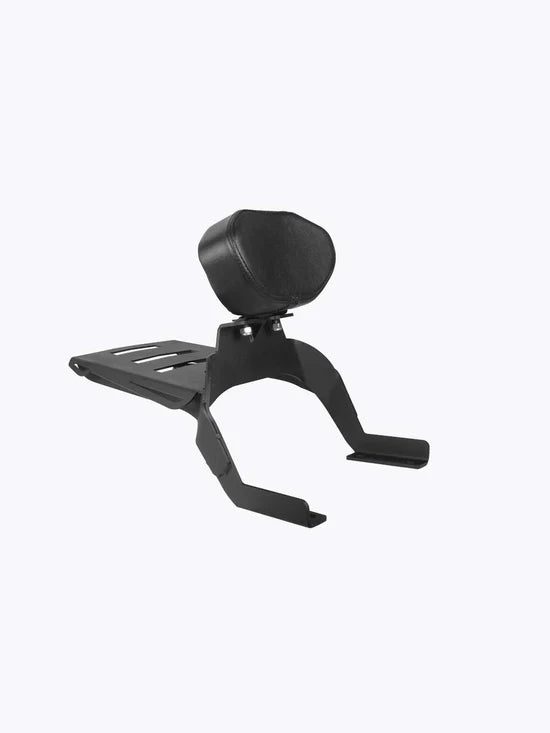
- Pillion Comfort: If you ride with a pillion, ensure your panniers don't cramp their space or make mounting/dismounting difficult. Some setups might require a specific backrest or seat modification.
- Security on the Road: Even with the best panniers motorcycle india 2026 adv touring setup, never leave valuables unattended for extended periods. When stopping overnight, always remove essential documents, electronics, and cash.
- Pre-Trip Check: Before any tour, do a thorough check of your entire luggage setup. This includes panniers, racks, top box, tank bag, and any other bags. Ensure everything is securely fastened, waterproof, and in good condition.
Proper installation and consistent maintenance are not just about extending the life of your gear; they are critical for your safety and the success of your tour. A loose pannier can become a dangerous projectile, and a leaking one can ruin your trip. Treat your luggage system with the same respect you treat your engine. For any specific questions on all performance parts and their maintenance, don't hesitate to reach out to our team.
Frequently Asked Questions: best panniers motorcycle india 2026 adv touring
Are hard panniers truly theft-proof in India?
No luggage is 100% theft-proof. Hard panniers offer significant deterrence compared to soft luggage due to their rigid, lockable construction. However, determined thieves can still break into them. Always remove highly valuable items like electronics, cash, and documents when leaving your bike unattended, especially overnight or in isolated areas. Use a cable lock for added security.
Can soft panniers really handle the Indian monsoon?
Modern soft panniers, especially those with roll-top closures and made from waterproof materials like Hypalon or PVC-coated fabrics, are highly effective against the monsoon. Many riders also use internal dry bags for an extra layer of protection. Always ensure the closure is rolled down at least three times and straps are cinched tight to prevent water ingress.
What's the best pannier setup for mixed highway and off-road riding for All ADV Bikes?
For mixed riding, a hybrid setup is often the best panniers motorcycle india 2026 adv touring choice. Consider soft panniers for the sides, offering flexibility and off-road resilience, combined with a small, lockable hard top box for secure storage of valuables. This gives you the best of both worlds: security where you need it and forgiveness for challenging terrain.
Do panniers affect the handling of my ADV bike on Indian roads?
Yes, any luggage will affect handling, especially when fully loaded. Wider panniers increase aerodynamic drag and can make filtering through traffic harder. Improperly packed or overloaded panniers can raise the bike's center of gravity, affecting stability, particularly in crosswinds or during aggressive cornering. Always distribute weight evenly, keep heavier items low, and consider adjusting your suspension preload for optimal handling.
Are bike-specific pannier racks necessary, or can I use universal ones?
Bike-specific pannier racks are highly recommended. They are designed to fit your bike's frame precisely, distribute weight correctly, and withstand the stresses of touring, especially on rough Indian roads. Universal racks often compromise on fit, stability, and durability, leading to potential issues like pannier wobble, frame damage, or even detachment during a ride. Invest in a quality, bike-specific rack for safety and peace of mind.
How much capacity do I really need for a multi-week ADV tour in India?
For a multi-week ADV tour, aiming for a total luggage capacity of 80-120 litres (including panniers, top box, and tank bag) is a good starting point. This typically translates to 30-40L panniers on each side, a 30-50L top box, and a 10-20L tank bag. This allows for clothes, camping gear, tools, and essentials without excessive bulk. Prioritize what's truly essential and avoid overpacking.
Ready to Build Your Setup?
Shop performance parts for All ADV Bikes, no filler, no guesswork.
Featured in this guide