Informational
The Science Behind Motorcycle Crash Guards: What Actually Saves You
Ever wondered what stands between you and the pavement if your motorcycle takes a tumble? It's more than luck. The right bike crash guard design can be the silent hero, minimizing injuries and saving valuable parts. Let's explore how science shapes that critical line of defense.

Ever wondered what stands between you and the pavement if your motorcycle takes a tumble? It's more than luck. The right crash guard design can be the silent hero, minimizing injuries and saving valuable parts. Let's explore how science shapes that critical line of defense.
What Is a Motorcycle Crash Guard?
A motorcycle crash guard, often known as an engine guard or leg guard, is an external framework bolted onto a motorcycle. Its primary role is to create a protective barrier that shields both the rider and vital bike components during an accident or fall. While simple in appearance, every aspect of its construction is steeped in engineering and safety research.
- Provides physical space between the rider’s legs and the ground.
- Shields the bike’s engine, chassis, and other critical parts.
- Reduces repair costs by absorbing and redistributing impact forces.
Understanding the science behind crash guard design clarifies why these bars are more than just accessories, they are lifesavers when engineered correctly.
The Physics of Impact: Why Design Matters
Crash guards are engineered to manage and dissipate the force of a crash. When a motorcycle tips over or collides with an object, immense energy needs somewhere to go. Ideally, that force gets diverted away from the rider’s lower body.
- A robust crash guard design absorbs shock, preventing the full force from reaching you.
- Well-positioned bars channel this energy into areas the bike is better equipped to handle, like the frame.
- Poorly designed guards can shatter, bend, or even focus energy towards the rider, causing more harm.
Physics is central to every guard’s architecture. Material choice, mounting points, and geometry, each is chosen to maximize the potential for energy redirection and minimize injury.
Engineering Materials: Balancing Strength and Flexibility
Every crash guard must strike a delicate balance between being strong enough to withstand impact and flexible enough to avoid snapping. Let’s look at how materials selection steers crash guard design.
Material Matters
Most guards use one or a combination of:
- Mild Steel: Known for its toughness and ability to withstand high impact without cracking. Offers some give, soaking up more energy before yielding.
- Stainless Steel: Offers corrosion resistance but is often heavier and less forgiving under extreme loads.
- Aluminum Alloys: Lightweight and rust-resistant, but may deform more easily in severe crashes.
Material thickness and pipe diameter also influence overall resilience. Too thin, and the bar collapses; too thick, and it may transmit more shock to the rider or bike frame.
Finishing Touches
Finishes like powder coating or chrome plating add corrosion resistance and a pleasing appearance, but the core material is what truly determines real-world performance.
Critical Aspects of Bike Crash Guard Design
Not all bars are created equal. High-performing crash guard design revolves around a few fundamental principles:
- Placement: Guards should protrude just enough to keep the bike and rider off the ground. If they stick out too far, they can catch on obstacles or worsen injuries.
- Mounting Points: Attaching to strong, stress-bearing parts of the frame ensures the guard behaves as intended under impact.
- Shape and Curvature: Rounded curves distribute force more evenly, reducing weak spots.
- No Sharp Edges: Rounded ends or capped tubes prevent guard ends from becoming hazards.
A thoughtfully designed guard does not hinder maneuverability or ground clearance, ensuring daily ride quality isn’t sacrificed for safety.
How Crash Guards Protect the Rider
The main aim of an optimized crash guard design is injury mitigation. Here’s what makes the difference in a real accident:
- Guards act as a barrier, keeping the rider’s legs and feet from being pinned under the bike.
- They may prevent or reduce the likelihood of lower limb fractures, one of the most common injuries in motorcycle falls.
- In some slide scenarios, crash guards help keep the body elevated above the road, reducing abrasion injuries.
Additionally, they often protect the fuel tank, radiator, and other expensive components, minimizing the risk of hazardous leaks and costly repairs.
Advanced Features in Modern Crash Guard Design
As motorcycle technology advances, so too does crash guard design. Contemporary models may integrate features that enhance both safety and convenience.
- Integrated Sliders: Replaceable components that further absorb shock and prevent damage to the guard itself.
- Modular Construction: Allows for easier replacement of only the damaged section, reducing maintenance costs.
- Compatibility with Accessories: Some guards accommodate auxiliary lights, cameras, or foot pegs without compromising strength.
These upgraded designs are a result of continual refinement, wind tunnel studies, and crash data analytics.
Misconceptions and Limitations
It’s important to recognize that no crash guard can guarantee complete safety. Some riders believe bulkier guards always offer more protection, a myth. Excess weight and ill-fitting designs can actually destabilize the motorcycle or exacerbate a crash.
Proper installation is critical. Poorly mounted guards can transfer force into vulnerable areas of the bike, causing frame damage or worse. Every bike model requires guards tailored to its geometry and weight distribution.
Lastly, while crash guards can lessen injuries in low and moderate-speed incidents, their effectiveness declines in very high-speed crashes or collisions with large vehicles.
Selecting the Right Crash Guard for Your Bike
Choosing the best crash guard design involves considering several factors:
- Bike Model Compatibility: Ensure the guard is made specifically for your motorcycle’s make and year.
- Quality Assurance: Look for certifications or testing standards that vouch for safety performance.
- Riding Habit: Off-road, adventure, and city riding each demand different guard qualities; choose one that suits your predominant riding environment.
- Weight and Aesthetics: Guards should safeguard without compromising handling or looks.
It’s also wise to consult with experienced riders or technicians before making a purchase. A quality guard is a genuine investment in your safety and your machine’s longevity.
Real-World Evidence: How Crash Guards Perform
Anecdotes from the riding community and studies highlight the benefits of good crash guard design. Riders consistently report fewer leg injuries in slow-speed falls with guards installed. Insurance data shows bikes equipped with guards often avoid the need for major engine or frame repairs after tip-overs.
Many motorcycle training schools now recommend fitting guards as part of a holistic approach to riding safety. Such endorsements reinforce just how critical these devices have become.
The Balance Between Safety and Style
Safety gear isn’t always synonymous with style, but modern crash guard design strives to harmonize both. Manufacturers now blend clean lines, powder-coated finishes, and low-profile shapes that complement a range of motorcycle aesthetics. Riders no longer need to compromise appearance for protection, a win-win for those who value both.
Do Crash Guards Affect Handling?
Some may wonder if adding crash bars will negatively impact a bike’s performance or handling. A well-engineered, model-specific guard is unlikely to alter ride quality. However, overbuilt or ill-fitting guards can add unnecessary weight or reduce lean angles, affecting cornering. Always opt for guards recommended by your bike’s manufacturer or trusted aftermarket suppliers.
Conclusion
Far from being just decorative accessories, crash guards rooted in smart engineering and quality materials are genuine lifesavers. The right crash guard design protects you and your ride, allowing you to enjoy the road with added confidence. Consider upgrading your guard, your body and your bike will thank you.
Protect your machine
Shop model-specific crash guards, bash plates and sliders.
Shop Protection & GuardsFeatured in this guide

Legundary (LCB) Super Meteor 650 Combat Bash Plate for Royal Enfield Super Meteor 650
Rs. 2,988.00

LCB Defender Crash Guard Black for Hero XPulse 200 4V Pro, Mild Steel Engine & Frame Protector
Rs. 4,889.00
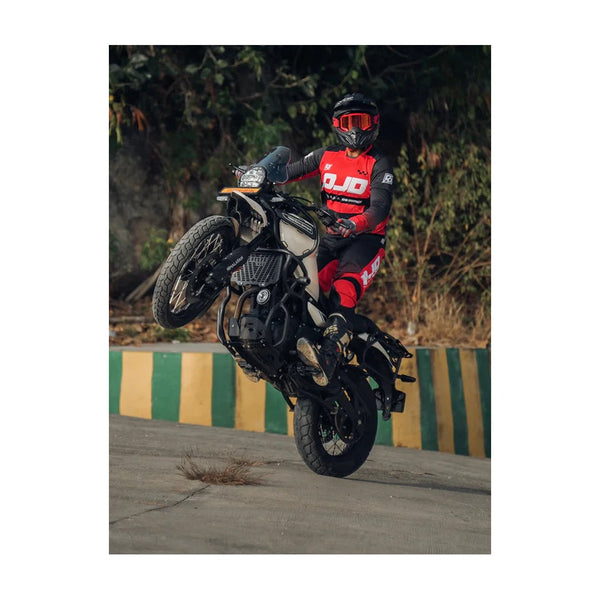
LCB Vambrace Bash Plate for Royal Enfield Himalayan 450, Heavy-Duty Mild Steel Underbody Protection | Legundary Custom Builds
Rs. 2,879.00


