Touring Setup
Manali to Leh 2026: Route Guide, Road Conditions and Gear Checklist
Manali leh bike trip guide for Indian riders — fitment specifics, real-world advice and performance insights. No filler.

Manali to Leh 2026: Route Guide, Road Conditions and Gear Checklist for All ADV Bikes
By Rawtorque | May 2026 | 15 min read
Planning your Manali Leh bike trip 2026 is more than just picking a date; it’s about meticulous preparation, understanding the terrain, and equipping yourself and your machine for one of the world's most challenging yet rewarding rides. This isn't a casual Sunday cruise; the high-altitude passes, unpredictable weather, and demanding road conditions on the Manali-Leh highway demand respect. Whether you ride a Royal Enfield Himalayan, a KTM Adventure, a Triumph Tiger, or any of the All ADV Bikes, getting your setup right is non-negotiable. This comprehensive manali leh bike trip 2026 gear route guide will arm you with the practical knowledge and essential checklist to conquer the Himalayas. We cut the fluff and give you what you need to know, straight up.
For a successful Manali Leh bike trip 2026, riders on All ADV Bikes must prioritize robust bike preparation, including performance parts, reliable tires, and essential maintenance. Key gear includes multi-layered riding apparel, waterproof luggage, and a comprehensive tool kit. Route planning should account for acclimatization, fuel stops, and understanding the variable road conditions across high passes like Rohtang and Tanglang La. This preparation ensures safety and an unforgettable journey through the Indian Himalayas.
What This Guide Covers
- Optimal Timing and Permits: When to ride and what paperwork you need.
- Comprehensive Bike Preparation: Getting your ADV bike ready for high altitudes and rough roads.
- Essential Rider Gear: Protection and comfort for extreme conditions.
- Smart Luggage Solutions: Carrying what you need without being overloaded.
- Navigation and Communication: Staying on track and connected.
- Crucial Spares and Tools: Fixing common issues on the go.
- Fuel, Hydration, and Nutrition: Keeping yourself and your bike fueled.
- Safety and Medical Preparedness: Handling emergencies in remote areas.
- Detailed Manali-Leh Route Breakdown: Understanding the road ahead.
- Accommodation and Food: Practical tips for your stops.
Planning Your Ultimate Manali Leh Bike Trip 2026: When to Go and What to Expect
Timing your Manali Leh bike trip 2026 is the first critical decision. The Manali-Leh highway is typically open from late May or early June until mid-October. Riding outside this window is either impossible due to snow or extremely risky. For a comfortable ride with fewer chances of heavy snowfall and relatively stable weather, aim for **June to September**. July and August are monsoon months in other parts of India, but Ladakh is a rain-shadow region, meaning it receives less rainfall, though you might encounter rain on the Manali side, especially around Rohtang Pass.
Why it matters on Indian roads:
The Himalayas are unforgiving. Riding too early (May-early June) means tackling snow walls, slush, and freezing temperatures at high passes. Too late (October) brings early winter, black ice, and deserted routes. Mid-season offers the best balance of open roads, manageable weather, and accessible facilities. Permits are also a big deal. For Rohtang Pass, a permit is mandatory, and you need to apply online well in advance, especially if starting from Manali. Without it, you’re stuck. These permits are limited daily, so planning is key.
What to look for:
- Best Season: June to September for optimal weather and road conditions.
- Rohtang Pass Permit: Apply online at least 10-15 days before your planned crossing. Check the Himachal Pradesh tourism website for exact details and application procedures.
- Inner Line Permits (ILP): Required for certain areas in Ladakh (e.g., Pangong Tso, Nubra Valley). These can be obtained online or physically in Leh. Get them done.
- Acclimatization: Plan at least 1-2 days in Leh for acclimatization. Don't rush it; Acute Mountain Sickness (AMS) is real and can ruin your trip, or worse.
- Route Research: Keep an eye on local news and forums for real-time road condition updates, especially for passes like Rohtang, Baralacha La, Nakee La, Lachalung La, and Tanglang La.
Don't underestimate the permits. They are your gateway to the mountains. Get them sorted before you even think about packing. Early season means more slush, late season means black ice. Pick your poison, but understand the risks.
Essential Bike Preparation for the Manali-Leh Highway: Getting Your All ADV Bikes Ready
Your motorcycle is your lifeline on the Manali-Leh highway. A breakdown in the middle of nowhere, hundreds of kilometers from the nearest mechanic, is a nightmare. This section focuses on preparing your All ADV Bikes for the grueling conditions of high-altitude roads, water crossings, and treacherous terrain. This is where performance parts from Rawtorque truly earn their keep.
Why it matters on Indian roads:
Indian Himalayan roads are notorious for their unpredictability. Potholes, gravel, slush, water crossings (nalas), and sudden changes in gradient are common. Your bike needs to handle sustained high RPMs at low oxygen levels, provide reliable braking on steep descents, and absorb shocks over endless rough patches. Stock parts might suffice for city rides, but for a Manali Leh bike trip 2026, you need robust upgrades and thorough maintenance.
What to look for:
- Full Service: Get a complete service done 1-2 weeks before your trip. Check all fluids (engine oil, brake fluid, coolant), filters (performance air filters are a good upgrade), and spark plugs.
- Tires: Invest in new, dual-sport tires with good tread. Brands like Metzeler Tourance, Pirelli Scorpion Rally, or CEAT Zoom XL are reliable choices. Ensure proper tire pressure for varying terrains. For example, 28-30 PSI front, 30-32 PSI rear for highway, slightly lower for gravel.
- Brakes: Check brake pads for wear and tear. Replace if less than 50% remaining. Ensure brake lines are intact and fluid is topped up. Consider upgrading to sintered pads for better wet-weather performance.
- Chain and Sprockets: Clean, lubricate, and adjust chain tension. Replace if worn out. A worn chain can snap, leaving you stranded. Carry a small chain lube spray.
- Suspension: Check fork seals for leaks. Ensure suspension is set up correctly for your weight and luggage. Upgrading fork oil or even springs can dramatically improve handling over rough terrain.
- Lights: Ensure all lights (headlight, tail light, indicators) are working. Auxiliary lights are crucial for visibility in fog or low light conditions, especially on mountain roads. Rawtorque offers robust auxiliary lights and lighting upgrades that are built to withstand abuse.
- Clutch Cable: Check for fraying. Carry a spare clutch cable, and know how to replace it. This is a common failure point.
- Throttle Cable: Similar to clutch, check for smooth operation and carry a spare.
- Fuel System: Clean fuel tank and check fuel lines for cracks. Carry a small amount of fuel additive to counter low-quality fuel sometimes found in remote areas.
- Battery: Ensure battery is in good health. Get it load-tested. Cold weather can reduce battery performance.
- Crash Protection: Crash guards and bike protection are non-negotiable. Slips and falls are common. A good crash guard protects your engine, tank, and even your legs. Invest in bash plates for underbelly protection against rocks.
- Ergonomics: Handlebar risers, wider footpegs, and comfortable seats can make a huge difference over long riding days. Rawtorque's touring accessories and mounts can help optimize your riding posture.
| Component | Pre-Trip Check | Rawtorque Recommendation |
|---|---|---|
| Tires | New dual-sport, 500-1000 km break-in | Metzeler Tourance / Pirelli Scorpion Rally for optimal grip |
| Brakes | Pads >50%, fresh fluid | Sintered brake pads for consistent performance in wet/cold |
| Lighting | All stock lights functional | Rawtorque auxiliary lights for superior visibility |
| Protection | Basic engine guard | Heavy-duty crash guards and bash plate from Rawtorque |
This isn't a cost-cutting trip. Invest in quality parts. A cheap chain or worn-out brakes can turn a dream ride into a nightmare. For your Manali Leh bike trip 2026, don't skimp on bike prep. It's the most important investment you'll make.
Must-Have Rider Gear for High-Altitude Indian Roads: Staying Safe and Comfortable
Your personal gear is just as important as your bike's setup for the Manali Leh bike trip 2026. The weather in the Himalayas can change in minutes, from bright sunshine to icy winds, rain, or even snow. Layering is key, and waterproofing is non-negotiable. This isn't about looking good; it's about survival and comfort over 10-12 hours of riding a day.
Why it matters on Indian roads:
You'll encounter extreme temperature fluctuations, from scorching plains to freezing mountain passes. Dust, mud, water crossings, and potential falls are part of the game. Proper gear protects you from the elements, improves visibility, and offers crucial impact protection in case of an incident. Hypothermia or frostbite are real risks if you're not adequately protected.
What to look for:
- Helmet: A full-face helmet with a clear visor is a must. Consider one with a Pinlock anti-fog insert. Brands like SMK, LS2, or Bell are good options. Ensure it's ECE/DOT certified. Price range: INR 5,000 - 20,000+.
- Riding Jacket: A textile, all-weather riding jacket with CE-level armor (shoulders, elbows, back protector) and a removable thermal liner and waterproof membrane. Brands like Rynox, Solace, or Royal Enfield offer good options suitable for Indian conditions. Look for good ventilation for lower altitudes and warmth for high passes. Price range: INR 8,000 - 25,000+.
- Riding Pants: Similar to the jacket, textile pants with CE-level armor (knees, hips), thermal liner, and waterproof membrane. Brands like Rynox, Solace, or even specific ADV pants from KTM PowerParts. Price range: INR 6,000 - 20,000+.
- Gloves: Two pairs are ideal: a waterproof, insulated pair for cold and wet conditions, and a comfortable, ventilated pair for warmer sections. Brands like Alpinestars, Rynox, or Solace. Price range: INR 2,000 - 8,000+ per pair.
- Riding Boots: Waterproof, ankle-high or mid-calf riding boots with good grip and protection. MX boots might be overkill for touring, but robust adventure boots are essential. Brands like TCX, Forma, or even Royal Enfield's touring boots. Price range: INR 10,000 - 30,000+.
- Base Layers: Moisture-wicking thermal base layers (top and bottom) are crucial for regulating body temperature. Avoid cotton next to skin. Decathlon offers good affordable options.
- Mid-Layers: Fleece jackets or lightweight puffer jackets for insulation.
- Rain Gear: Even if your riding gear is waterproof, carrying a dedicated rain suit (jacket and pants) as an outer layer provides an extra layer of defense against heavy downpours.
- Balaclava/Neck Warmer: Essential for protecting against cold winds, dust, and sun.
- Sunglasses: For daytime riding.
- Sunscreen and Lip Balm: High altitude sun is brutal.
Rawtorque offers a curated selection of rider essentials and gear designed to withstand the rigors of Indian touring, focusing on durability and performance.
Your gear is your second skin. Don't compromise on quality, especially for a Manali Leh bike trip 2026. A good jacket and boots can be the difference between a minor bruise and a major injury, or just being miserably cold. Layer up, waterproof up, and stay safe.
Smart Luggage Solutions for Your Manali Leh Journey: Packing Right for the Mountains
Carrying your essentials efficiently is crucial. Overloading your bike affects handling, while under-packing leaves you unprepared. The goal is to distribute weight evenly and keep everything waterproof. For your Manali Leh bike trip 2026, consider a combination of soft and hard luggage, depending on your bike and preferences.
Why it matters on Indian roads:
Rough roads, sudden bumps, and water crossings can dislodge poorly secured luggage. Heavy, unbalanced luggage makes your bike unstable, especially on gravel or at high speeds. Waterproofing is critical because rain and river crossings are inevitable. Indian roads also mean dust, so dust-proofing is a bonus.
What to look for:
- Saddlebags: Soft saddlebags (e.g., ViaTerra, Rynox) are versatile and fit most All ADV Bikes. Hard panniers offer better security and weather protection but are heavier and more expensive. Ensure they are waterproof or come with rain covers. Capacity of 30-40 liters per side is usually sufficient. Price range: Soft INR 4,000 - 15,000, Hard INR 20,000 - 50,000+.
- Tank Bag: Ideal for quick access items like wallet, phone, camera, water bottle, and documents. Magnetic tank bags work for metal tanks; strap-on bags for plastic tanks. Look for one with a clear map/phone pocket. Capacity of 10-20 liters. Price range: INR 1,500 - 5,000.
- Tail Bag/Dry Bag: For bulkier items like sleeping bags, extra clothes, or tents. A roll-top dry bag (e.g., from Decathlon or specific motorcycle brands) is excellent for waterproofing. Secure it firmly to the pillion seat or luggage rack using bungee cords or cargo nets. Capacity of 30-60 liters. Price range: INR 1,000 - 6,000.
- Backpack: Only for very light, easily accessible items, or for short day rides from a base camp. Avoid heavy backpacks for long durations as they cause rider fatigue.
- Mounting Straps/Bungees: Carry extra heavy-duty bungee cords and Rok Straps. They are invaluable for securing luggage and can act as temporary fixes.
- Inner Dry Bags: Even if your outer luggage is waterproof, using smaller dry bags inside for electronics, important documents, and clothes provides an extra layer of protection.
Rawtorque’s range of touring accessories and mounts includes robust luggage racks and versatile mounting solutions to keep your gear secure, no matter how rough the road gets.
Pack smart, not heavy. Every kilo counts, especially at high altitudes where your bike's engine is already struggling for oxygen. Distribute weight evenly and ensure everything is absolutely waterproof for your Manali Leh bike trip 2026. A wet sleeping bag at 15,000 feet is a bad time.
Navigating the Himalayas: Best Route Planning for Manali Leh Bike Trip 2026
While the Manali-Leh highway is largely a single route, understanding its nuances, key stops, and potential diversions is crucial. GPS is helpful, but always have a physical map and local knowledge. For your Manali Leh bike trip 2026, knowing the distances between fuel points and major towns is more important than precise turn-by-turn directions.
Why it matters on Indian roads:
Cellular network coverage is sparse to non-existent on much of the Manali-Leh highway. Google Maps might not update in real-time, and sudden road closures due to landslides or snowfall are common. Knowing the major landmarks, alternative routes (if any), and distances to the next facility is vital for safety and planning.
What to look for:
- GPS Device/Smartphone with Offline Maps: Load offline maps (Google Maps, Maps.me, Gaia GPS) onto your smartphone. A dedicated GPS device like a Garmin Zumo is more robust but expensive. Ensure your phone mount is sturdy and waterproof.
- Power Bank: A high-capacity power bank (20,000 mAh+) is essential to keep your devices charged, especially with limited charging points.
- Physical Map: A laminated physical map of Himachal Pradesh and Ladakh. This is your backup when all electronics fail.
-
Route Segments:
- Manali to Keylong: Crosses Rohtang Pass (3,980m). Road can be slushy.
- Keylong to Sarchu: Crosses Baralacha La (4,890m). Challenging section with water crossings. Sarchu is a common overnight stop.
- Sarchu to Leh: Crosses Gata Loops, Nakee La (4,739m), Lachalung La (5,065m), and Tanglang La (5,328m). Tanglang La is the second highest motorable pass in the world.
- Fuel Stops: Manali, Tandi (the last petrol pump before Leh, 365 km away), Karu, and Leh. Plan your fuel accordingly. Carry extra fuel if you ride a low-mileage bike or plan detours.
- Communication: A BSNL postpaid SIM card offers the best (though still limited) coverage in Ladakh. Inform family/friends about your route and expected check-in times. A satellite phone is an expensive but ultimate backup for emergencies.
Rawtorque offers reliable accessories and phone mounts that ensure your navigation device stays secure and charged throughout your Manali Leh bike trip 2026.
Don't rely solely on your phone. Have a physical map and understand the major points. The Mountains don't care about your data plan. Tandi is your last guaranteed fuel stop for a long, long stretch. Fill up completely and carry extra if needed.
Critical Spares and Tool Kit for Remote Indian Highways: Don't Get Stranded
A well-stocked tool kit and a few critical spares can save your Manali Leh bike trip 2026 from ending prematurely. You won't find mechanics or spare parts shops in many stretches of the Manali-Leh highway. Being self-sufficient is part of the adventure, and a smart rider is always prepared.
Why it matters on Indian roads:
The nearest mechanic could be hundreds of kilometers away. Roadside assistance is non-existent in remote high-altitude areas. Common issues like punctures, snapped cables, or loose bolts can be fixed with basic tools if you have them. Without them, you're waiting for a miracle or an expensive recovery.
What to look for in your tools and utilities kit:
- Puncture Repair Kit: Tubeless tire repair kit with CO2 cartridges or a mini air pump. For tube tires, tire levers, spare tube (front and rear), and a patch kit. Crucial for any Manali Leh bike trip 2026.
- Portable Air Pump: A compact 12V electric air pump or a manual hand pump to maintain correct tire pressure or inflate after a puncture.
-
Tool Kit:
- Spanner Set: Open-end and ring spanners for common nut sizes on your bike.
- Allen Key Set: Metric sizes.
- Screwdriver Set: Flathead and Phillips head.
- Spark Plug Spanner: Specific to your bike.
- Adjustable Wrench: For odd sizes.
- Pliers: Combination and nose pliers.
- Wire Cutter: Useful for many tasks.
- Zip Ties and Electrical Tape: Invaluable for temporary fixes.
- Fevikwik/Super Glue: For minor plastic repairs.
- M-Seal/Cold Weld: For temporary fuel tank or engine casing repairs.
- Headlamp/Torch: For repairs in low light.
-
Essential Spares:
- Clutch Cable: One of the most common failures.
- Throttle Cable: Another frequent failure point.
- Spark Plug: One or two, specific to your bike.
- Brake Lever and Clutch Lever: In case of a fall.
- Fuse Kit: A selection of common fuses for your bike's electrical system.
- Chain Link: A master link for your chain.
- Small Bottle of Engine Oil: 500ml-1 liter for top-ups.
- Bungee Cords/Rope: For securing luggage or temporary fixes.
- Fuel Pipe: A small length for siphoning or replacing a damaged line.
- WD-40/Chain Lube: Small cans for chain maintenance and freeing stuck parts.
Rawtorque provides high-quality tools and utilities chosen for their durability and effectiveness in challenging conditions, perfect for any serious rider.
Knowing how to use your tools is just as important as having them. Practice basic repairs before you leave. A snapped clutch cable is a 10-minute fix if you know what you’re doing; hours of frustration if you don’t. This is especially true for a demanding Manali Leh bike trip 2026.
Fuel, Hydration, and Nutrition on the Manali-Leh Route: Staying Powered Up
The Manali-Leh highway is famous for its long stretches without any human habitation, let alone petrol pumps or dhabas. Strategic planning for fuel, water, and food is paramount for a successful Manali Leh bike trip 2026.
Why it matters on Indian roads:
Running out of fuel in the middle of nowhere at high altitude is dangerous. Dehydration and hunger can lead to fatigue, AMS, and impaired judgment, which are lethal combinations on challenging roads. The quality of food and water available in remote areas can also be questionable.
What to look for:
-
Fuel Management:
- Tandi: The last reliable petrol pump on the Manali-Leh highway before Leh, approximately 365 km away. Fill up here.
- Fuel Cans: Carry 5-10 liters of extra fuel in proper jerry cans. Rotopax mounts are excellent for securing these. Price range for cans: INR 500 - 3,000.
- Fuel Consumption: Understand your bike's mileage, especially at high altitudes where it might drop slightly due to reduced oxygen.
-
Hydration:
- Water Bottles: Carry at least 3-5 liters of water per person per day. Hydration packs (Camelbak-style) are convenient.
- Electrolytes: ORS sachets or energy drinks (e.g., Electral, Gatorade) to prevent dehydration and replenish salts lost due to exertion.
- Water Filter/Purifier: A portable water filter (e.g., LifeStraw, Sawyer Mini) can be a lifesaver if you run out of bottled water.
-
Nutrition:
- Energy Bars/Chocolates: High-energy snacks for quick boosts.
- Dry Fruits/Nuts: Compact and nutritious.
- Biscuits/Crackers: Easy to eat on the go.
- Ready-to-Eat Meals: MTR-style packets are good for emergencies, requiring only hot water.
- Glucose Powder: For instant energy.
Never, ever underestimate the need for fuel and water on the Manali-Leh route. Tandi is your last proper fuel station. Hydrate consistently, even if you don't feel thirsty, to prevent AMS. Your performance, and your bike's, depend on it for this Manali Leh bike trip 2026.
Emergency Preparedness and Safety Tips for the Manali-Leh Challenge
Even with the best preparation, emergencies can happen. Being ready for them can mitigate risks and ensure safety. This includes medical emergencies, mechanical breakdowns, and getting help when contact is impossible during your Manali Leh bike trip 2026.
Why it matters on Indian roads:
Medical facilities are scarce and basic in remote Himalayan regions. Emergency services response times can be very long. Self-reliance and basic first aid knowledge are critical. The sheer isolation of some stretches means you are your own first responder.
What to look for:
-
First Aid Kit: A comprehensive kit including:
- Painkillers: Paracetamol, Ibuprofen.
- Antiseptic: Dettol, Savlon.
- Bandages: Various sizes, crepe bandage for sprains.
- Gauze and Cotton: For cleaning wounds.
- Antacids: For stomach issues.
- Diamox: For AMS (consult a doctor before use).
- Basic medicines: For cold, cough, fever, diarrhea.
- ORS sachets: Again, critical for dehydration.
- Moleskin/Blister patches: For riding boots.
- Emergency Contacts: Keep a laminated card with emergency contacts (family, friends, insurance, local police/ambulance numbers for Leh/Manali) in your wallet and tank bag.
- Personal Identification: Always carry your driving license, bike registration (RC), PUC certificate, and insurance papers (hard copies and digital backups).
- Cash: ATMs are few and far between. Carry enough cash (INR 5,000 - 10,000+ depending on trip duration) in small denominations for dhabas, basic stays, and fuel.
- Whistle: For attracting attention in emergencies.
- Riding in Groups: Ideally, ride with at least one other person. Safety in numbers.
- Communication Protocol: Establish hand signals or walkie-talkie protocols with your riding group.
- Respect Local Culture: Be mindful of local customs and traditions.
- Leave No Trace: Carry back all your trash. Preserve the pristine environment.
Your safety is paramount. A well-equipped first aid kit and knowing basic first aid are non-negotiable for a Manali Leh bike trip 2026. Cash is king in the mountains where digital payments are often not an option. Be prepared for the unexpected and ride responsibly.
Detailed Manali Leh Route Guide: Key Stretches, Passes, and Road Conditions
Understanding the Manali-Leh highway section by section is key to planning your daily rides and anticipating challenges. This 474 km stretch is a mix of smooth tarmac, broken patches, gravel, and challenging water crossings. This Manali Leh bike trip 2026 route guide breaks down what to expect.
Why it matters on Indian roads:
Each pass and section of the highway presents unique challenges. Knowing what's ahead allows you to adjust your speed, riding style, and mental preparedness. For example, knowing a water crossing is coming allows you to approach it cautiously, unlike hitting it at speed unexpectedly.
What to look for:
-
Manali to Rohtang Pass (approx. 51 km):
- Road Condition: Can be very challenging. Expect heavy traffic, slush, mud, and water crossings near the pass, especially in early season.
- Elevation: Rohtang La at 3,980m.
- Permit: Mandatory permit required (online application).
-
Rohtang Pass to Keylong (approx. 72 km):
- Road Condition: Improves significantly after Rohtang. Mostly good tarmac with some broken patches.
- Highlights: Beautiful views, Keylong is a good town for an overnight stay or lunch.
-
Keylong to Jispa (approx. 20 km):
- Road Condition: Mostly good tarmac.
- Highlights: Jispa is a popular and scenic overnight stop with good guesthouses and camps.
-
Jispa to Baralacha La (approx. 80 km):
- Road Condition: This section becomes progressively tougher. Expect water crossings (Bhatal Nala is infamous), gravel, and broken roads as you approach Baralacha La.
- Elevation: Baralacha La at 4,890m.
- Fuel: Tandi, just before Keylong, is the last fuel pump for a long stretch. Fill up.
-
Baralacha La to Sarchu (approx. 32 km):
- Road Condition: Mix of good and bad, with some very rough patches near the pass.
- Elevation: Sarchu at 4,290m.
- Highlights: Sarchu is a major tented camp stop. High altitude, so chances of AMS are high. Take it easy.
-
Sarchu to Pang (approx. 80 km):
- Road Condition: Starts with Gata Loops (21 hairpin bends) - mostly good tarmac. Then climbs to Nakee La (4,739m) and Lachalung La (5,065m). Expect some rough patches and broken roads, especially after the passes.
- Highlights: More Plains is a high-altitude plateau with smooth, fast stretches. Be wary of strong crosswinds.
-
Pang to Leh (approx. 175 km):
- Road Condition: Mostly good tarmac after Pang, improving significantly as you approach Leh. Crosses Tanglang La (5,328m), the second highest motorable pass.
- Highlights: Tanglang La is a major milestone. After this, the landscape becomes more barren and beautiful.
- Key Highways: The main artery is often referred to as parts of NH3 and NH505. The journey involves traversing some of the most spectacular stretches of the Indian road network.
This Manali Leh bike trip 2026 route isn't just about covering distance; it's about conquering passes. Each pass is a challenge. Rohtang will test your patience, Baralacha La your bike's water-fording ability, and Tanglang La your endurance at extreme altitudes. Know your route, segment by segment.
Optimizing Your All ADV Bikes for High-Altitude Performance: Rawtorque Upgrades
Riding at altitudes above 4,000 meters significantly impacts engine performance. Less oxygen means less power. While you can't defy physics, specific upgrades can help your All ADV Bikes perform more efficiently and reliably on your Manali Leh bike trip 2026.
Why it matters on Indian roads:
Many stock bikes, especially carbureted models, struggle with the thin air, leading to reduced power, stalling, and poor fuel economy. Even fuel-injected bikes can benefit from better breathing and exhaust flow. When climbing steep inclines or navigating tricky terrain, every bit of usable power matters.
What to look for:
- Performance Air Filter: A high-flow performance air filters (like those from K&N or BMC) allows your engine to breathe better, compensating slightly for the reduced oxygen. This can improve throttle response and low-end torque. Price range: INR 4,000 - 8,000.
- Exhaust System Upgrade: A free-flow exhaust system, like those from Barrel exhaust systems, can reduce back pressure, allowing the engine to expel exhaust gases more efficiently. While not a huge power gain at altitude, it contributes to overall engine health and sometimes a slight bump in usable torque. Price range: INR 8,000 - 25,000+.
- ECU Remapping/Piggyback Module: For fuel-injected bikes, an ECU remap or a piggyback module (e.g., from PowerTronic) can optimize fuel-air mixture for high altitude, improving performance and fuel efficiency. This is a more advanced upgrade and should be done by experienced tuners. Price range: INR 10,000 - 25,000+.
- Iridium Spark Plugs: These offer more consistent and powerful sparks, leading to better combustion, especially in challenging conditions. While a small upgrade, they contribute to reliability. Price range: INR 500 - 1,500 per plug.
- Coolant Upgrade: High-performance coolants have better heat dissipation properties, crucial for bikes working hard on long climbs.
- Oil Cooler (if applicable): For some bikes, an aftermarket oil cooler can help maintain optimal engine temperature, especially on air-cooled engines under stress.
Rawtorque specializes in all performance parts designed to enhance your bike's capability. From Himalayan 450 accessories to KTM motorcycle accessories and even Interceptor 650 accessories, we have the upgrades to make your ADV bike truly ready for the Manali Leh bike trip 2026.
Don't expect your bike to feel like it does at sea level. But smart upgrades can significantly improve its temperament and reliability at altitude. Rawtorque's performance parts are engineered to give you that edge when you need it most, especially on a demanding Manali Leh bike trip 2026.
Accommodation and Food on the Manali-Leh Route: Practical Tips for Your Stops
While the focus is often on riding, where you sleep and what you eat profoundly impacts your energy levels and ability to manage AMS. Your Manali Leh bike trip 2026 needs a practical approach to overnight stays and meals.
Why it matters on Indian roads:
Lodging options are sparse beyond major towns like Manali, Keylong, and Leh. In places like Sarchu and Pang, you'll mainly find tented camps, which offer basic facilities. Food choices are limited, and hygiene can be a concern. A good night's sleep and proper nutrition are vital for combating fatigue and AMS at high altitudes.
What to look for:
- Manali: Plenty of hotels and guesthouses. Book in advance, especially during peak season.
- Keylong: Good options for guesthouses and small hotels. A convenient stop after Rohtang.
- Jispa: Popular for tented camps and a few guesthouses. Offers better comfort than Sarchu. Price range: INR 1,500 - 3,000 for camps.
- Sarchu: Exclusively tented camps. Very basic, often with shared facilities. The altitude here is high (4,290m), so expect a cold night and potential AMS symptoms. Many riders prefer to push to Jispa or Darcha. Price range: INR 800 - 2,000.
- Pang: Very basic dhabas offering simple food and common sleeping spaces in tents. Not recommended for a comfortable night, but an option if you're stuck.
- Leh: Wide range of hotels, guesthouses, and homestays. Book in advance.
- Food on Route (Dhabas): Expect simple, hearty Indian food, Maggi, dal-chawal, parathas, momos, tea. These are available at various points like Koksar, Keylong, Jispa, Darcha, Sarchu, Pang, and Rumtse.
- Hygiene: Be cautious about water and food hygiene. Stick to freshly cooked food, and always drink bottled water or use your water purifier.
- Early Dinners: Eat early to allow digestion before sleeping, which can help with AMS.
- No Alcohol: Avoid alcohol completely at high altitudes. It exacerbates dehydration and AMS.
Choose your overnight stops wisely for your Manali Leh bike trip 2026. Prioritize acclimatization over covering maximum distance. A comfortable stay and proper meals will keep you sharp for the next day's ride. Don't compromise on rest or hydration. Sarchu is a tough night, be warned.
Frequently Asked Questions: manali leh bike trip 2026 gear route guide
What is the best time for a Manali Leh bike trip 2026?
The optimal window for a Manali Leh bike trip 2026 is from June to September. Early June sees more snow and slush on the passes, while late September brings colder temperatures and early winter conditions. July and August offer relatively stable weather, though rain can be expected on the Manali side of Rohtang Pass.
What are the essential permits needed for the Manali Leh bike trip?
You'll need a permit for Rohtang Pass (apply online from Manali) and Inner Line Permits (ILP) for certain restricted areas in Ladakh (e.g., Pangong Tso, Nubra Valley), which can be obtained online or in Leh. Ensure all necessary vehicle documents like RC, PUC, and insurance are also in order.
How should I prepare my All ADV Bikes for high altitude riding?
Perform a full service, install new dual-sport tires, check brakes and suspension. Consider Rawtorque's performance parts like a high-flow performance air filters and heavy-duty crash guards and bike protection. Carry essential spares like cables, spark plugs, and a comprehensive tool kit, and understand how to use them.
What kind of luggage is best for the Manali Leh bike trip 2026?
A combination of waterproof soft saddlebags (30-40L per side), a tank bag (10-20L for quick access), and a waterproof tail bag or dry bag (30-60L) is ideal. Ensure all luggage is securely mounted and truly waterproof to protect your belongings from rain, water crossings, and dust.
What are the major challenges on the Manali-Leh highway?
Key challenges include high-altitude passes (Rohtang, Baralacha La, Tanglang La), unpredictable weather, slush, gravel, numerous water crossings (nalas), lack of fuel stations between Tandi and Leh, and limited medical facilities. Acclimatization is crucial to avoid Acute Mountain Sickness (AMS).
How much extra fuel should I carry for the Manali Leh bike trip?
After Tandi, there are no petrol pumps for approximately 365 km until Karu (near Leh). It's highly recommended to carry at least 5-10 liters of extra fuel in proper jerry cans, especially if your bike has lower mileage or you plan detours to places like Pangong Tso or Nubra Valley.
Ready to Build Your Setup?
Shop performance parts for All ADV Bikes, no filler, no guesswork.
Featured in this guide
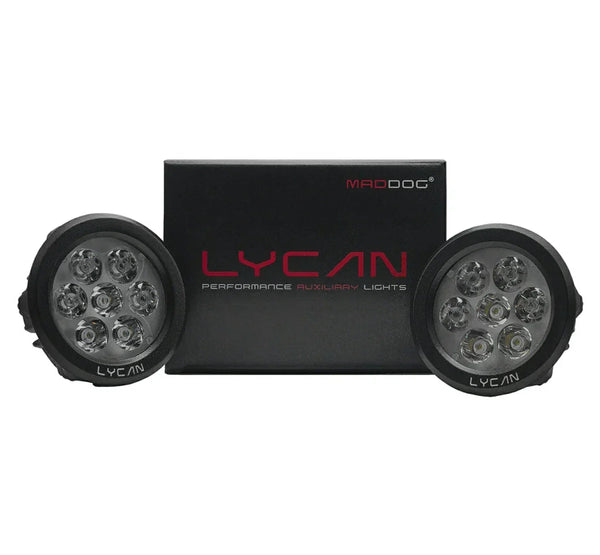
Maddog Lycan Performance Auxiliary Lights | 10800 Lumens Dual-Mode Spot & Flood Beam
Rs. 14,749.00
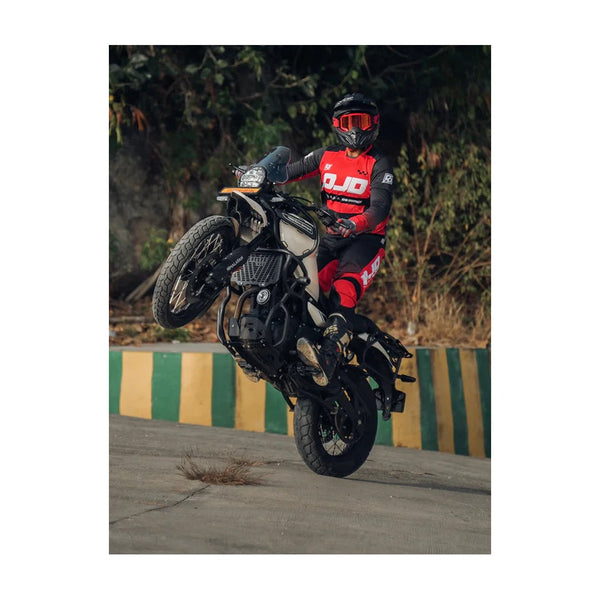
LCB Vambrace Bash Plate for Royal Enfield Himalayan 450, Heavy-Duty Mild Steel Underbody Protection | Legundary Custom Builds
Rs. 2,879.00
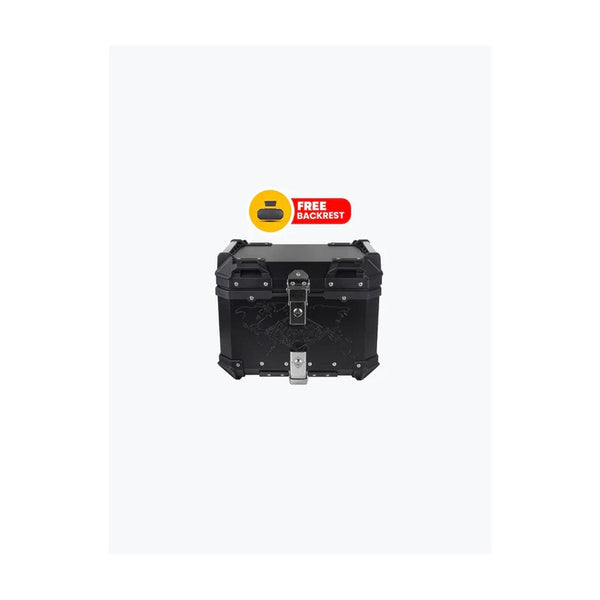
LCB Fort Knox Series TC 45L Aluminium Top Case with Backrest Pad, Black
Rs. 9,990.00


