Touring Setup
Ladakh 2026: Complete Motorcycle Preparation Checklist
Ladakh bike trip preparation guide for Indian riders — fitment specifics, real-world advice and performance insights. No filler.

Ladakh Bike Trip Preparation Checklist 2026: Essential Setup for All ADV Bikes
By Rawtorque | April 2026 | 15 min read
The call of the high Himalayas is undeniable, and for riders across India, a Ladakh bike trip is the ultimate test of man and machine. Planning for this journey in 2026 demands more than just a full tank; it requires meticulous preparation, the right gear, and a motorcycle tuned for the unforgiving terrain and extreme altitudes. This isn't just a vacation; it's an expedition. Whether you're on a Royal Enfield, KTM, Triumph, or any other ADV, having your machine and yourself ready is paramount. Rawtorque brings you the definitive ladakh bike trip preparation checklist 2026, ensuring you hit the road with confidence, not questions.Preparing for a Ladakh bike trip in 2026 demands a comprehensive checklist covering bike service, performance upgrades, robust protection, smart luggage, reliable lighting, essential tools, and critical rider gear. Focus on durability, high-altitude performance, and self-sufficiency. Ensure your All ADV Bikes are meticulously prepped for extreme conditions, making this ladakh bike trip preparation checklist 2026 your go-to resource for a safe and successful expedition.
What This Guide Covers
- Pre-Ride Motorcycle Inspection & Service: The foundation of a reliable ride.
- Performance Upgrades for High Altitude: Getting more out of your machine.
- Robust Bike Protection: Guarding against the inevitable.
- Smart Luggage Solutions: Carrying what you need, securely.
- Enhanced Lighting & Visibility: Seeing and being seen.
- Navigation & Communication Gear: Staying on track and connected.
- Essential Tools & Spares Kit: For roadside fixes, not breakdowns.
- Critical Rider Gear: Protecting yourself from the elements and falls.
- Health, Safety & Personal Essentials: For your well-being on the road.
- Documentation & Permits: Legalities covered.
- Route Planning & Contingency: Anticipating the unexpected.
Motorcycle Pre-Ride Inspection & Service: The Foundation for Ladakh 2026
Before you even think about packing, your motorcycle needs to be in peak condition. Ladakh isn't the place to discover a worn-out clutch plate or leaky fork seals. This is a non-negotiable step in your ladakh bike trip preparation checklist 2026, especially when tackling roads like those on the Manali-Leh highway or the treacherous Zoji La pass. A thorough service ensures reliability and prevents costly, time-consuming breakdowns in remote areas where help is scarce and expensive.
Why it matters on Indian roads:
India's diverse terrain, from bustling city streets to broken mountain trails, puts immense stress on motorcycles. Ladakh's high altitudes, sudden weather changes, water crossings, and lack of immediate mechanical support mean any small issue can quickly escalate. You need a machine that can handle hours of sustained riding, altitude changes that affect engine performance, and constant vibrations from rough patches. A pre-ride service isn't just about changing oil; it's about checking every critical component for wear and tear, ensuring it's robust enough for the journey ahead.
What to look for:
- Engine Oil & Filter: Use a fresh, good quality synthetic or semi-synthetic oil. Check for the correct grade recommended for your bike. Change the oil filter.
- Air Filter: Clean or replace the air filter. A clogged filter will restrict airflow, impacting performance, especially at high altitudes. Consider a performance air filter for better breathing.
- Brakes (Pads, Fluid, Lines): Inspect brake pads for wear, replace if less than 30-40% remaining. Check brake fluid levels and condition; flush and replace if discolored. Inspect brake lines for any cracks or leaks. Ensure proper lever/pedal feel.
- Tyres (Condition, Pressure, Tread): Crucial for grip on varied surfaces. Check for cuts, cracks, bulges. Ensure sufficient tread depth (min 4-5mm for ADV tyres). Maintain recommended tyre pressure; adjust for luggage. Consider slightly lowering pressure on loose gravel for better traction, but re-inflate for tarmac.
- Chain & Sprockets: Clean, lubricate, and adjust chain slack. Check sprockets for hooked teeth; replace if worn. Carry a small can of chain lube.
- Suspension: Check fork seals for leaks. Test front and rear suspension for proper damping and rebound. Adjust preload for luggage weight. Smooth suspension is key for comfort on rough patches.
- Electricals (Battery, Lights, Horn): Check battery terminals for corrosion. Ensure all lights (headlight, tail light, indicators) are working. Test horn. Carry spare fuses.
- Clutch & Accelerator Cables: Inspect for fraying. Lubricate for smooth operation. Carry spares, as these are common failure points in cold weather or due to wear.
- Coolant (Liquid-Cooled Bikes): Check coolant level and top up with distilled water and coolant mix if necessary. Inspect hoses for cracks.
- All Fasteners: Go over the entire bike, checking critical bolts and nuts (engine mounts, axle nuts, handlebar clamps, luggage rack bolts) for tightness. Vibrations on rough roads can loosen them.
Don't cut corners on your pre-ride service. A few extra hours and a few thousand rupees spent beforehand can save you days of trouble and far greater expenses on the road. For specific bikes like the Himalayan 450 or KTM ADVs, Rawtorque offers specialized service kits and performance components designed to withstand the rigors of the Himalayas.
Performance Upgrades for Ladakh Terrain & Altitude
While a stock bike can make it to Ladakh, strategic performance upgrades can significantly enhance your riding experience, especially for All ADV Bikes. The thin air at altitudes above 12,000 feet robs engines of power, making steep climbs and overtakes challenging. Optimizing your bike for these conditions is a smart move for your ladakh bike trip preparation checklist 2026.
Why it matters on Indian roads:
The Indian Himalayas present a unique challenge. Long stretches of asphalt on NH44 give way to broken tarmac, water crossings, and loose gravel on passes like Baralacha La or Tanglang La. Engines lose up to 3% of their power for every 1,000 feet of altitude gain. This means a 650cc twin could feel like a 350cc single at 17,000 feet. Upgrades focused on breathing, fueling, and suspension can compensate for this, providing better throttle response, more usable power, and improved comfort over endless bumps.
What to look for:
- Performance Air Filter: A high-flow air filter allows the engine to breathe better, especially critical in thin air. This can improve throttle response and recover some lost power. Look for filters that are easy to clean and maintain, like those from K&N or BMC.
- Aftermarket Exhaust System: A lighter, free-flowing exhaust reduces overall bike weight and improves exhaust scavenging, which can help engine performance. Brands like Barrel Exhaust systems offer options specifically designed for Indian riding conditions, providing a better power-to-weight ratio and often a more robust build than stock.
- ECU Remap/Piggyback Module: This is arguably the most impactful upgrade for high-altitude riding. An ECU remap or a well-tuned piggyback module (e.g., PowerTronic) can optimize fuel-air mixture and ignition timing for varying altitudes and atmospheric pressures, mitigating power loss and improving rideability. This ensures your bike runs efficiently, preventing bogging down or excessive fuel consumption.
- Suspension Upgrades: Stock suspension can often be inadequate for the sustained abuse of Ladakh's roads, especially with luggage. Upgrading fork springs, installing heavier fork oil, or replacing the rear shock with an adjustable unit (e.g., YSS, Öhlins) can drastically improve handling, comfort, and load-carrying capacity. Look for units with adjustable preload, compression, and rebound.
- Sprocket Change: For some bikes, especially those with tall gearing, a slight change in sprocket size (e.g., one tooth down on the front or a few teeth up on the rear) can provide more low-end torque, making it easier to climb steep inclines and navigate slow, technical sections with luggage. This comes at the expense of top-end speed, which isn't a concern in Ladakh.
- Brake Line Upgrades: Steel-braided brake lines offer a more consistent and firm brake feel by eliminating the expansion of rubber lines under pressure. This can be a valuable safety upgrade when descending long, steep passes.
| Feature | Stock Setup | Rawtorque Performance Upgrade |
|---|---|---|
| Airflow | Paper/Foam filter, limited flow | High-flow cotton gauze, washable, better breathing |
| Exhaust | Heavy, restrictive, mild sound | Lighter, free-flowing, improved scavenging, robust build |
| Engine Tune | Generic factory map | Optimized for altitude, better throttle response, reduced power loss |
| Suspension | Basic, non-adjustable, prone to bottoming out with load | Adjustable preload/damping, enhanced comfort and control |
Rawtorque offers a curated selection of performance parts designed for the demanding conditions of Indian touring. These aren't just bolt-ons; they're tested components built to deliver tangible improvements where it matters most. Invest in upgrades that genuinely benefit your ride dynamics and reliability on your ladakh bike trip preparation checklist 2026.
Robust Bike Protection: Guarding Against the Inevitable
Falling is part of off-road riding, and even on tarmac, unexpected hazards can arise. In Ladakh, a minor spill can turn into a major headache if vital components like your engine casing or radiator are damaged. Investing in robust bike protection is a critical element of your ladakh bike trip preparation checklist 2026, saving you from potential trip-ending damage and costly repairs.
Why it matters on Indian roads:
The roads to Ladakh are a mix of smooth tarmac, broken patches, gravel, sand, and treacherous water crossings. Loose rocks kicked up by other vehicles, unexpected potholes, and the sheer unpredictability of mountain roads mean your bike is constantly at risk. A well-protected bike not only safeguards expensive components but also allows you to ride with more confidence, knowing that a small fall won't leave you stranded in the middle of nowhere.
What to look for:
- Crash Guards (Engine Guards): Essential for protecting your engine, fuel tank, and sometimes even your legs in case of a fall. Look for guards made from high-grade steel (e.g., seamless mild steel or stainless steel) with multiple mounting points for maximum strength and impact distribution. Ensure they don't impede lean angle or maintenance access. Crash guards and bike protection are the first line of defense.
- Sump Guard / Bash Plate: Protects the engine sump, oil filter, and exhaust headers from rocks, debris, and impacts during water crossings or over uneven terrain. Opt for a thick aluminum or heavy-gauge steel bash plate that provides comprehensive coverage.
- Handguards: Protect your levers (clutch, brake) from damage in a fall and shield your hands from wind, cold, and flying debris. Full wrap-around aluminum-backed handguards offer the best protection.
- Headlight Grille / Protector: A broken headlight in Ladakh can be a serious problem. A strong metal grille or clear acrylic protector shields your headlight from stones and impacts.
- Radiator Guard: For liquid-cooled bikes, the radiator is vulnerable to punctures from flying stones. A mesh or louvered guard can prevent damage while still allowing adequate airflow for cooling.
- Frame Sliders (Optional): While more common on sportbikes, smaller frame sliders can offer additional protection for specific frame points, though crash guards typically offer more comprehensive coverage for ADV bikes.
Rawtorque specializes in robust crash guards and bike protection tailored for popular ADV models in India. Our parts are designed for real-world impacts, not just aesthetics. Prioritize protection that integrates seamlessly with your bike's design and offers maximum coverage for your ladakh bike trip preparation checklist 2026.
Smart Luggage Solutions: Carrying What You Need, Securely
Packing efficiently and securing your luggage properly is crucial for a comfortable and safe Ladakh trip. Overpacking, or poorly secured bags, can affect your bike's handling and become a hazard. This section of your ladakh bike trip preparation checklist 2026 focuses on smart luggage choices for All ADV Bikes.
Why it matters on Indian roads:
Long days in the saddle, varied weather conditions (from scorching plains to freezing mountain passes), and the need for self-sufficiency mean you'll be carrying a fair amount of gear. From spare clothes and tools to extra fuel and water, your luggage needs to be secure, waterproof, and balanced. Indian roads, especially the broken patches and high-speed highway stretches, will test your luggage setup. Loose items can fall off, become damaged, or even cause an accident.
What to look for:
-
Panniers (Hard vs. Soft):
- Hard Panniers: Offer superior security, waterproofing, and impact protection. Ideal for valuables and electronics. Made from aluminum or robust plastics. Can be expensive and heavy.
- Soft Panniers: Lighter, more flexible, and generally safer in a fall (less likely to trap a leg). Easier to compress when not full. Often more affordable. Look for roll-top designs for waterproofing and durable, abrasion-resistant materials (e.g., 1000D Cordura or PVC-coated polyester).
- Top Box: A hard top box offers secure, easily accessible storage for essentials like a helmet, rain gear, or camera. Ensure it's mounted on a sturdy rack and doesn't overload the rear subframe.
- Tank Bag: Incredibly useful for quick-access items like documents, phone, wallet, camera, snacks, and water. Magnetic or strap-mounted options are available. Look for a waterproof, expandable design with a clear map/phone pocket on top.
- Tail Bag / Duffel Bag: A large, waterproof roll-top duffel bag strapped to the pillion seat or rear rack is excellent for carrying bulky items like sleeping bags, extra clothing, or tents. Ensure it's strapped down securely with proper cargo straps, not just bungee cords.
- Luggage Racks: Essential for mounting panniers, top boxes, and securing tail bags. Invest in heavy-duty racks designed for touring. They distribute weight better and provide stable mounting points. Rawtorque offers a range of touring accessories and mounts, including robust luggage racks.
- Cargo Straps / Bungee Cords: Use heavy-duty cam buckle straps or ROK straps for securing luggage. Avoid cheap bungee cords as they can snap or loosen. Carry a few spares.
- Fuel Canisters (Optional but Recommended): For remote stretches, especially if your bike has limited range, carrying an extra 5-10 liters of fuel can be a lifesaver. Mount securely away from hot exhaust components.
- Waterproof Dry Bags: Even if your main luggage is water-resistant, using internal dry bags for clothing, electronics, and documents adds an extra layer of protection against heavy rain or water crossings.
When choosing luggage, prioritize waterproofing, durability, and secure mounting. Don't compromise on your bike's handling for extra space. Rawtorque's selection of touring accessories and mounts ensures your gear stays put, no matter how rough the road gets. This is a critical consideration for your ladakh bike trip preparation checklist 2026.
Enhanced Lighting & Visibility: See and Be Seen
Visibility is a major safety factor, especially in the mountains where weather can change rapidly, and roads can be narrow and winding. Upgrading your lighting system is a smart addition to your ladakh bike trip preparation checklist 2026.
Why it matters on Indian roads:
Riding through fog, heavy rain, or even just at dawn and dusk in the Himalayas demands excellent visibility. Indian truck drivers, often on narrow roads, rely heavily on their lights to gauge oncoming traffic. Stock headlights can be inadequate, especially when navigating unlit mountain passes at night or through whiteout conditions. Auxiliary lights not only help you see better but also make you more visible to other road users, significantly reducing the risk of accidents.
What to look for:
-
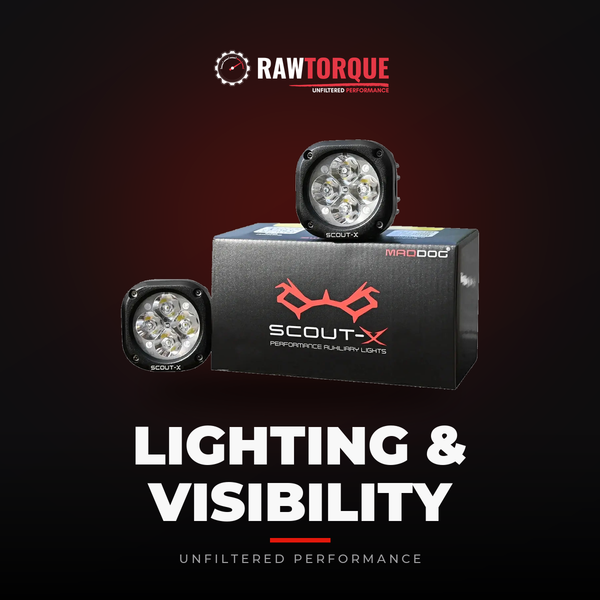
Auxiliary Lights (Fog/Spot Lights): These are probably the most crucial lighting upgrade.
- Fog Lights: Designed for wide, short-range illumination, cutting through fog and heavy rain. Look for a wide beam pattern and a color temperature around 3000K-4000K (yellowish-white) for better penetration.
- Spot Lights: Provide a narrow, long-range beam, excellent for illuminating distant roads and potential hazards. Ideal for unlit sections. Look for a focused beam and high lumen output (3000-6000 lumens per light).
- Headlight Upgrade (LED/HID): If your bike still uses a halogen bulb, consider upgrading to a brighter LED or HID bulb. Ensure the upgrade is compatible with your headlight housing and beam pattern. A well-focused LED headlight provides superior illumination compared to stock halogens.
- Tail Light & Brake Light: Ensure your rear lights are bright and fully functional. Consider an integrated LED tail light with multiple modes for enhanced visibility.
- Reflective Tape: Apply reflective tape to your helmet, jacket, luggage, and the rear of your bike. This passive safety measure significantly increases your visibility to other vehicles, especially at night or in low-light conditions.
- Daytime Running Lights (DRLs): If your bike doesn't have DRLs, consider adding small, bright LED strips. These make your bike more noticeable during the day.
Don't skimp on lighting. Good visibility can be the difference between a safe ride and a close call. Rawtorque's auxiliary lights and lighting upgrades are built to withstand the elements and provide reliable illumination for your ladakh bike trip preparation checklist 2026. Make sure your wiring is robust and professionally installed to avoid electrical issues.
Navigation & Communication Gear: Staying On Track and Connected
While the main routes to Ladakh are well-traveled, knowing your exact position, planning your day's ride, and staying in touch with your group or family is essential. Reliable navigation and communication tools are key components of your ladakh bike trip preparation checklist 2026.
Why it matters on Indian roads:
Signage in remote parts of India can be sparse or confusing. Detours, road closures, or simply exploring off the main path require accurate navigation. Mobile network coverage is patchy, especially once you cross into the higher reaches of the Himalayas. Having backup navigation and a way to communicate, even if basic, is crucial for safety and peace of mind. On highways like NH66, navigation is straightforward, but once you hit the interior roads, it's a different game.
What to look for:
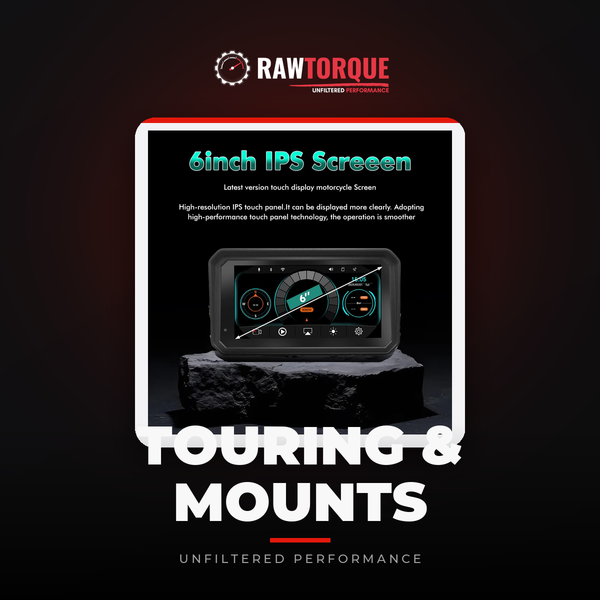
- Phone Mount: A sturdy, vibration-dampening phone mount is essential for using your smartphone for navigation. Look for metal construction and a secure clamping mechanism to prevent your phone from falling off on rough roads. Rawtorque offers a selection of accessories and phone mounts built for tough conditions.
- GPS Device (Optional but Recommended): A dedicated GPS device (e.g., Garmin Zumo) offers more robust mapping, better waterproofing, and often better satellite reception than a phone, especially in remote areas. It also saves your phone battery. Pre-load offline maps of the entire region.
- Power Bank / USB Charger: Keep your phone, camera, and other devices charged. A high-capacity power bank (20,000 mAh+) is recommended. Alternatively, install a waterproof USB charging port directly on your bike.
- Intercom System: For group rides, an intercom system (e.g., Sena, Cardo) allows seamless communication between riders, improving safety and coordination. It's also great for listening to music or taking calls (if network allows) without stopping.
- Offline Maps: Download offline maps (Google Maps, Maps.me, Sygic) of the entire route and surrounding areas onto your phone. Network coverage is unreliable.
- Satellite Messenger / SPOT Device (Optional for extreme remote areas): For solo riders or those venturing into very remote areas, a satellite messenger allows you to send emergency messages and share your location even when out of mobile network range.
- Paper Maps: Never underestimate the reliability of a good old-fashioned paper map. It doesn't run out of battery and can be a lifesaver if all electronics fail.
- BSNL/Jio Postpaid SIM: These networks generally have the best coverage in Ladakh, though still patchy. Ensure your SIM is postpaid, as prepaid SIMs often don't work in Jammu & Kashmir.
Reliable navigation and communication can prevent getting lost or isolated. Choose mounts and charging solutions that can withstand vibrations and weather. Explore Rawtorque's robust accessories and phone mounts designed to keep your devices secure and powered throughout your ladakh bike trip preparation checklist 2026.
Essential Tools & Spares Kit: Be Your Own Mechanic
In Ladakh, you are often your own mechanic. A well-stocked tool and spares kit can mean the difference between a quick roadside fix and a frustrating wait for rescue. This is a crucial, often underestimated, part of your ladakh bike trip preparation checklist 2026.
Why it matters on Indian roads:
Beyond Manali or Srinagar, finding a skilled mechanic with the right parts for your specific All ADV Bikes can be challenging. Small punctures, loose bolts, broken cables, or electrical issues are common occurrences. Being able to address these minor problems yourself not only saves time and money but also instills confidence. Relying solely on roadside assistance is not a viable strategy in the high Himalayas.
What to look for:
-
Basic Tool Kit:
- Adjustable Wrench: A good quality 8-inch to 10-inch adjustable wrench.
- Spanner Set: Open-ended and ring spanners covering common sizes (8mm to 19mm) for your bike.
- Allen Key Set: Full set of hex keys.
- Screwdriver Set: Flathead and Phillips head, multiple sizes, possibly a multi-bit tool.
- Pliers: Combination pliers and maybe a nose plier.
- Spark Plug Spanner: Specific to your bike's spark plug size.
- Tyre Levers: 2-3 sturdy levers if you have tube-type tyres.
- Pocket Knife / Multi-tool: Always handy.
-
Tyre Repair Kit:
- Puncture Repair Kit (Tubeless): Plug strips, reamer, insertion tool, glue.
- Puncture Repair Kit (Tube-type): Patch kit, rubber solution, sandpaper.
- Portable Air Compressor / CO2 Cartridges: Essential for re-inflating tyres after a puncture or adjusting pressure. A compact electric pump is preferable.
- Tyre Pressure Gauge: To ensure correct inflation.
- Spare Tubes (for tube-type tyres): Carry one front and one rear tube.
-
Essential Spares:
- Clutch Cable: One spare.
- Accelerator Cable: One spare.
- Fuses: Assortment of common amperages (5A, 10A, 15A, 20A).
- Bulbs: Headlight, tail light, indicator bulbs (if not LED).
- Spark Plug: One spare, specific to your bike.
- Small Bottle of Engine Oil: 250-500ml for topping up.
- Chain Lube: Small can for regular lubrication.
- M-Seal / Fevikwik: For temporary repairs to cracked casings, fuel tank leaks, etc.
- Electrical Tape / Zip Ties: Invaluable for securing loose items or temporary electrical fixes.
- Small Length of Wire: For electrical jury-rigs.
- Brake Fluid: Small bottle if your brake fluid is prone to issues.
- Cable Ties & Bungee Cords: For securing things, temporary fixes.
- Foot Pump (Optional, but good for tubes): More reliable than CO2 for multiple inflations.
A well-organized and comprehensive tool kit is your best friend in Ladakh. Pack only what you know how to use. Rawtorque provides durable tools and utilities that are road-tested and reliable. Don't leave your workshop behind; carry the essentials for your ladakh bike trip preparation checklist 2026.
Critical Rider Gear: Protecting Yourself from Elements and Falls
Your gear is as important as your bike's preparation. Ladakh's extreme weather, ranging from scorching sun to freezing temperatures and sudden rain/snow, demands specialized rider gear. This is a non-negotiable part of your ladakh bike trip preparation checklist 2026.
Why it matters on Indian roads:
Indian roads, even the best ones, carry inherent risks. In Ladakh, the stakes are higher. A fall at even low speeds on gravel can result in serious injury without proper protective gear. Beyond safety, comfort is paramount. Riding for 8-10 hours a day in varying temperatures (from 35°C in the plains to 0°C or below on passes) requires gear that can adapt, providing warmth, ventilation, and waterproofing. Hypothermia or severe dehydration can quickly ruin a trip or worse.
What to look for:
- Helmet: A full-face, ISI and ECE/DOT certified helmet is mandatory. Look for good ventilation, a clear anti-fog visor, and a sun visor. A modular helmet offers convenience but might be slightly heavier. Ensure a snug fit.
-
Riding Jacket: An all-weather, textile riding jacket with CE-rated armor (shoulders, elbows, back) is essential. Look for:
- Waterproof Liner: Removable or integrated.
- Thermal Liner: Removable for warmth in cold conditions.
- Ventilation Zippers: For airflow in warmer climates.
- High-Visibility Elements: Reflective panels for night riding.
- Riding Pants: Armored riding pants (CE-rated knee and hip armor) offer superior protection compared to jeans. Look for waterproof and breathable options. Alternatively, wear sturdy jeans with separate knee guards.
-
Gloves: You'll need at least two pairs:
- All-Weather/Touring Gloves: Waterproof, insulated, with knuckle protection for cold and wet conditions.
- Summer/Ventilated Gloves: For warmer stretches on the plains.
- Riding Boots: Ankle-high riding boots with good grip and protection against impact and twist are crucial. Waterproof boots are a huge advantage for water crossings and rain.
- Base Layers / Thermals: Essential for retaining body heat in cold weather. Merino wool or synthetic thermals are best. Pack multiple sets.
- Rain Gear: A dedicated waterproof rain suit (jacket and pants) worn over your riding gear, or a fully waterproof riding suit. Even if your jacket is "waterproof," a separate rain suit adds an extra layer of defense against continuous downpours or heavy snow.
- Balaclava / Neck Gaiter: Protects your face and neck from cold wind, dust, and sun. A fleece-lined one is excellent for high altitudes.
- Warm Socks: Several pairs of wool or thermal socks to keep your feet warm and dry.
- Eye Protection: Sunglasses for glare, especially on snow. Clear visor for night.
Your gear is your personal protection and comfort system. Invest in quality gear that fits well and offers real protection against falls and the elements. Rawtorque curates rider essentials and gear designed for the demands of Indian touring. Don't compromise on safety or comfort; it's a long ride. This is paramount for your ladakh bike trip preparation checklist 2026.
Health, Safety & Personal Essentials: For Your Well-being
Beyond the bike and riding gear, your personal health and safety items are vital. The high altitude and remote nature of Ladakh mean self-sufficiency in medical emergencies. This is a critical, often overlooked, part of your ladakh bike trip preparation checklist 2026.
Why it matters on Indian roads:
Altitude sickness (AMS) is a real threat in Ladakh. Symptoms can range from mild headaches to life-threatening pulmonary or cerebral edema. Access to medical facilities is limited, especially outside Leh. Proper medication, hydration, and awareness of your body are crucial. Additionally, hygiene and sun protection are important to prevent infections and skin damage over weeks of exposure.
What to look for:
-
Personal First-Aid Kit:
- Painkillers: Paracetamol, Ibuprofen.
- Altitude Sickness Medication: Diamox (Acetazolamide), consult your doctor before taking. Start dosage a day or two before ascending to high altitudes.
- Antacids: For acidity.
- Anti-diarrhea: Loperamide.
- Antiseptic Liquid/Wipes: Dettol, Savlon.
- Bandages & Dressings: Various sizes, sterile gauze, medical tape.
- Cotton Wool.
- Crepe Bandage: For sprains.
- Muscle Relaxant/Pain Relief Spray: Volini, Moov.
- Electrolyte Powder / ORS: Essential for hydration.
- Any Personal Medications: Carry enough for the entire trip plus a few extra days.
- Water Bottles / Hydration Pack: Stay hydrated. Carry at least 2-3 liters of water capacity. A hydration pack in your riding jacket is very convenient.
- Energy Bars / Snacks: High-energy snacks (nuts, dried fruit, granola bars) for quick boosts during long rides.
- Sunscreen: High SPF (SPF 50+) to protect against intense UV radiation at high altitudes.
- Lip Balm: With SPF, to prevent chapped lips in dry, cold, and windy conditions.
- Moisturizer: For skin protection against dry air.
- Hand Sanitizer: For hygiene on the go.
- Toiletries: Toothbrush, toothpaste, small towel, soap.
- Small Torch / Headlamp: Invaluable at campsites or during power cuts.
- Power Bank: For charging phone, camera, etc.
- Cash (INR): ATMs are scarce outside major towns. Carry enough cash for fuel, food, and emergencies.
Your health is your most valuable asset on this trip. Don't take chances with AMS or minor injuries. A well-stocked personal medical kit and a focus on hydration are paramount for your ladakh bike trip preparation checklist 2026. Consult your doctor about AMS medication well in advance.
Documentation & Permits: The Paperwork Essentials
While the thrill of the ride is paramount, neglecting essential paperwork can halt your trip before it even begins. Ensure all your documents are in order and easily accessible. This is a crucial, if less exciting, part of your ladakh bike trip preparation checklist 2026.
Why it matters on Indian roads:
Checkpoints are common on the routes to and within Ladakh. Police, army, and local authorities will often ask for your vehicle documents and personal identification. Lack of proper documents can lead to fines, delays, or even being turned back. Furthermore, specific permits are required for certain sensitive areas within Ladakh.
What to look for:
- Driving License: Original and a few photocopies. Ensure it's valid.
- Motorcycle Registration Certificate (RC): Original and a few photocopies. Make sure it's in your name or you have a valid NOC if it's not.
- Pollution Under Control (PUC) Certificate: Original and a few photocopies. This is regularly checked.
- Motorcycle Insurance: Valid insurance papers (third-party liability is mandatory). Original and photocopies.
- Personal ID Proof: Aadhar Card, Passport, or Voter ID. Original and photocopies.
- Passport Size Photographs: Keep at least 4-6 copies handy for permits or emergencies.
- Inner Line Permit (ILP): Required for entering certain protected areas in Ladakh (e.g., Pangong Tso, Nubra Valley, Tso Moriri). This can be obtained online or in Leh. Fill it out accurately and carry multiple copies.
- Rohtang Pass Permit (if applicable): If you are taking the Manali-Leh route, a permit for Rohtang Pass is required for both bikes and vehicles. This is typically applied for online in advance. Check the latest rules as they change frequently.
- Vehicle Owner's Consent Letter (if applicable): If the bike is not registered in your name, carry a notarized consent letter from the owner.
- Emergency Contacts: A physical list of emergency contacts, including family, friends, and insurance details, kept separate from your phone.
- Digital Copies: Store scanned copies of all documents on your phone, email, and cloud storage (Google Drive, Dropbox) as a backup.
Don't let paperwork be your undoing. Keep all documents organized in a waterproof pouch, easily accessible but secure. Always carry physical and digital copies. Thoroughly researching and securing your permits in advance is a key part of your ladakh bike trip preparation checklist 2026.
Route Planning & Contingency: Anticipating the Unexpected
Even with the best preparation, things can go wrong. A well-thought-out route plan, combined with contingency measures, will ensure you can handle unexpected challenges. This is the strategic layer of your ladakh bike trip preparation checklist 2026.
Why it matters on Indian roads:
Mountain roads are dynamic. Landslides, flash floods, sudden snowfall, or even political unrest can lead to road closures and detours. Knowing alternative routes, potential fuel stops, and safe havens can prevent you from being stranded. The Manali-Leh highway is notorious for its challenging sections, while the Srinagar-Leh highway offers a slightly less arduous but equally scenic route. Understanding these differences and planning accordingly is crucial for All ADV Bikes.
What to look for:
-
Route Selection:
- Manali-Leh Highway: More challenging, higher passes (Rohtang, Baralacha La, Tanglang La), more water crossings. Often preferred for the adventure. Takes 2-3 days.
- Srinagar-Leh Highway: Generally smoother, lower passes (Zoji La is the main challenge), more gradual acclimatization. Takes 2 days.
- Acclimatization: Plan for at least 1-2 full days of rest in Leh to acclimatize before venturing to higher passes like Khardung La or Chang La. This is critical for preventing AMS.
- Fuel Stops: Identify major fuel stations along your route. Beyond Manali/Srinagar, fuel pumps are sparse (Keylong, Leh, Karu, Diskit). Plan your refuels and consider carrying extra fuel if your bike's range is limited.
- Accommodation: While spontaneous travel is fun, pre-booking accommodation in major towns (Manali, Leh, Kargil) during peak season (June-September) is wise. In smaller villages, homestays or guesthouses are usually available.
- Road Conditions: Research current road conditions before and during your trip. Websites, local news, and rider forums provide up-to-date information on pass openings, closures, and challenging sections.
- Weather Forecast: Keep an eye on the weather forecast, but be prepared for sudden changes. Mountain weather is highly unpredictable.
- Emergency Services: Know the contact numbers for local police, medical services, and your emergency contacts.
- Contingency Budget: Always carry an extra buffer of cash for unexpected expenses like repairs, extended stays, or medical emergencies.
- Group Riding Plan: If riding in a group, establish clear communication protocols, daily meeting points, and a plan for what to do if someone gets separated or has a breakdown.
- Local Contacts: If possible, get contact numbers for local mechanics or tour operators in Leh who can assist in an emergency.
A successful Ladakh trip isn't just about riding; it's about anticipating and mitigating risks. Your route plan should be flexible, and your contingency plans robust. This strategic approach completes your ladakh bike trip preparation checklist 2026, ensuring you're ready for whatever the mountains throw at you. Remember, the journey is as important as the destination.
Frequently Asked Questions: ladakh bike trip preparation checklist 2026
What's the best time to visit Ladakh by bike in 2026?
The best time for a Ladakh bike trip is generally from mid-June to mid-October. This is when both the Manali-Leh and Srinagar-Leh highways are open, and the weather is relatively stable. July and August are peak season, offering lush landscapes, but also potential for monsoon rains on the Manali side. September offers clear skies and fewer crowds but colder temperatures.
Do I need special permits for a Ladakh bike trip in 2026?
Yes, you will need an Inner Line Permit (ILP) to visit certain protected areas within Ladakh like Nubra Valley, Pangong Tso, and Tso Moriri. This can be obtained online or from the DC office in Leh. Additionally, if you're traveling via the Manali-Leh highway, a permit for Rohtang Pass is often required, which should be applied for online in advance.
What are the most common bike breakdowns in Ladakh and how to prepare for them?
Common issues include punctures, broken clutch/accelerator cables, electrical failures (fuses, wiring), and issues related to engine bogging at high altitude. Prepare by carrying a comprehensive tyre repair kit, spare cables, fuses, spark plugs, basic tools, and performing a thorough pre-ride service. Consider an ECU remap for better high-altitude performance.
Is altitude sickness a major concern for a ladakh bike trip preparation checklist 2026?
Absolutely, Acute Mountain Sickness (AMS) is a serious concern. It's crucial to acclimatize properly, ascending gradually (e.g., spending a day or two in Leh before high passes). Stay hydrated, avoid alcohol, and carry medication like Diamox (after consulting a doctor). Recognize symptoms like headache, nausea, dizziness, and fatigue, and descend immediately if they worsen.
What type of riding gear is essential for Ladakh?
Essential gear includes an ISI/ECE certified full-face helmet, an all-weather riding jacket with CE-rated armor (removable thermal and waterproof liners), armored riding pants or knee guards, waterproof riding boots, and both warm and summer gloves. Layering with thermals and carrying dedicated rain gear is also crucial due to unpredictable mountain weather.
How much luggage should I carry for a Ladakh bike trip, and what's the best way to pack it?
Pack only essentials to keep weight down. Aim for 15-25 kg of luggage. Use a combination of tank bag (quick access items), tail bag/duffel (clothing, sleeping bag), and panniers (secure items, tools). Prioritize waterproof luggage and use dry bags internally. Distribute weight evenly to maintain bike balance, and secure everything with strong cargo straps.
Ready to Build Your Setup?
Shop performance parts for All ADV Bikes, no filler, no guesswork.
Explore the range
Featured in this guide
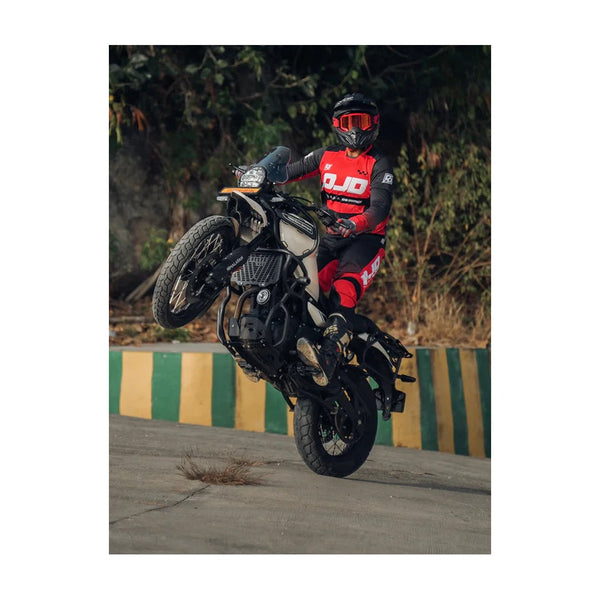
LCB Vambrace Bash Plate for Royal Enfield Himalayan 450, Heavy-Duty Mild Steel Underbody Protection | Legundary Custom Builds
Rs. 2,879.00
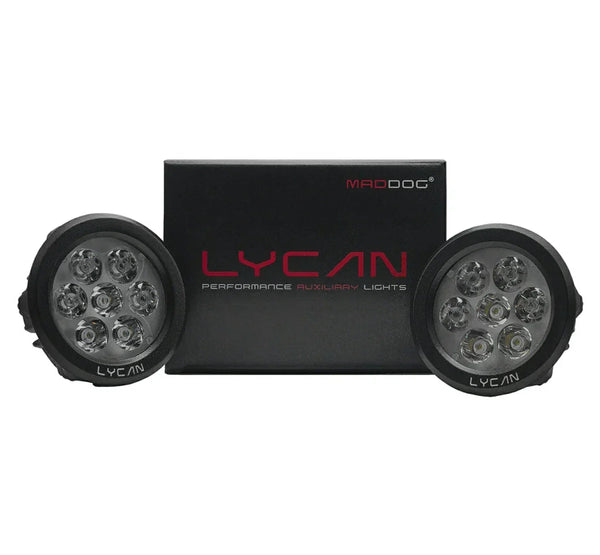
Maddog Lycan Performance Auxiliary Lights | 10800 Lumens Dual-Mode Spot & Flood Beam
Rs. 14,749.00
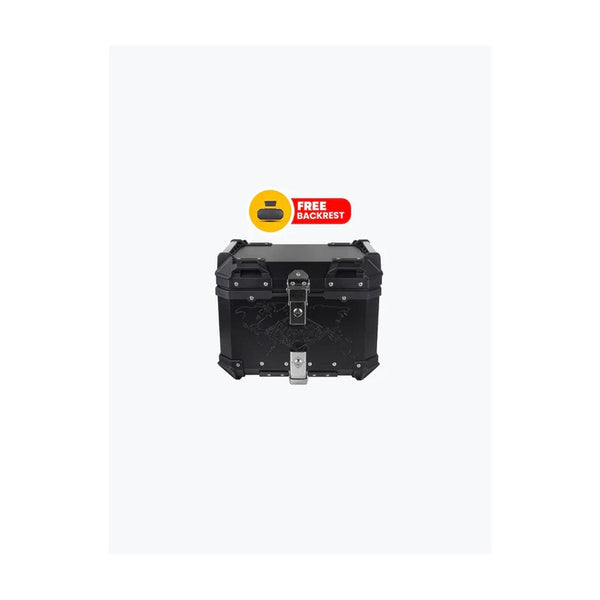
LCB Fort Knox Series TC 45L Aluminium Top Case with Backrest Pad, Black
Rs. 9,990.00


