Performance Guides
Inside India's Fake Parts Trade: How to Spot Counterfeit Oil, Brakes, Spark Plugs and Helmets Online (2026)
Police have seized lakhs of duplicate brake pads, spark plugs and litres of fake engine oil in Delhi alone since 2025, and BIS found fake ISI labels inside e-commerce warehouses. Here's the evidence, and how to check Motul, Liqui Moly, NGK, Brembo, BMC, Axor, SMK, Rolon and more, brand by brand.

On 26 July 2025, Delhi Police Crime Branch teams raided four premises in Karol Bagh, the capital's biggest spare-parts market, and came out with more than one lakh duplicate parts: brake pads, filters, clutch plates and spark plugs, packed under the branding of international car makers, along with 200 bottles of counterfeit engine oil. Police valued the stock at about ₹50 lakh and recovered another ₹19 lakh in unaccounted cash, according to PTI.
It wasn't a one-off. Days later, police arrested five more people in Karol Bagh and Madanpur Dabas for fake parts carrying Honda, TVS and ASK trademarks. In September 2025 the Crime Branch seized about ₹90 lakh of counterfeit auto parts in yet another Karol Bagh raid. And in April 2026, police in Ghazipur, East Delhi, found around 700 litres of duplicate engine oil in a godown, packed and labelled as popular brands.
The fakes don't stay in the bazaar. In March 2025, officers from the Bureau of Indian Standards spent about 15 hours inside a warehouse run by Amazon Sellers Pvt Ltd in Delhi and found more than 3,500 products that either had no ISI certification or carried fake ISI labels. The goods were geysers and food mixers, not car parts. But it shows that a forged certification mark can travel through the same warehouses that ship to your door.
So how do you tell, first from a phone screen and then from a cardboard box, whether the oil, brake pads, spark plug or helmet you've paid for is real? We went through what each brand tells its own buyers, what Indian regulators require, and what the court and police records show, and checked it against our own catalogue of more than 3,700 products from 50 brands. Brakes, engine oil, spark plugs, helmets and air filters, the categories fakers target most, make up about 80 percent of it. This is what we found.
The short version: buy from a seller you can trace (a real GSTIN and address), distrust prices far below everyone else's, match the part number on the listing, the box and the brand's catalogue, use the brand's own check where it has one (Brembo Check, Motul and Liqui Moly QR codes, the Niterra India app for NGK, the BIS Care app for helmets), and inspect the part itself, not only the box. You can browse every brand we stock while you read.
The evidence: recent counterfeit cases
| When | Where | What was found | Reported by |
|---|---|---|---|
| Feb 2025 | Hyderabad | 534 litres of cheap oil being packed under "HP" labels | Telangana Today |
| Mar 2025 | Amazon and Flipkart warehouses, Delhi | 3,500+ products without ISI certification or with fake ISI labels, and about 590 pairs of sports shoes without ISI marks | Moneylife, Inc42 |
| Jul 2025 | Karol Bagh, Delhi | 1 lakh+ duplicate brake pads, filters, clutch plates and spark plugs, 200 bottles of fake engine oil, about ₹50 lakh of stock | PTI via The Week |
| Aug 2025 | Karol Bagh and Madanpur Dabas, Delhi | Fakes bearing Honda, TVS and ASK trademarks, worth over ₹10 lakh. Five arrested | PTI via ThePrint |
| Sep 2025 | Karol Bagh, Delhi | Counterfeit auto parts worth about ₹90 lakh. Two arrested | LatestLY |
| Apr 2026 | Ghazipur, Delhi | About 700 litres of duplicate engine oil labelled as popular brands. Two arrested | ThePrint |
Spark plugs are a target abroad too. Niterra, the company behind NGK, says it took about 11,000 fake NGK plugs off the market in Indonesia. In Sri Lanka, a dealer in Horana pleaded guilty and was fined Rs 250,000 after a complaint from Niterra. With helmets, BIS has been raiding factories that put the ISI mark on helmets without a licence since at least 2019, when it found around 500 illegally ISI-marked helmets, shells and stickers at a unit in Ghaziabad.

Illustration, not a photograph of seized goods: genuine products (left) and the kind of near-identical copies sold online (right). The giveaways are a washed-out label, an off-white plug insulator and uneven filter pleats, and you have to look closely to see them.
Why the fakes are so hard to spot
The pattern in almost every raid is the same. The money goes into the box, not the part. Police in Karol Bagh found printing equipment along with the parts. In the oil cases, they found thousands of labels, caps and empty branded bottles. A convincing box costs a faker a few rupees. Proper friction material, base oil or an iridium tip costs far more, so that's where they cut. That's why every check in this guide ends with the part itself, not just the packaging.
Brand-by-brand: the quick answer
| Brand | What it makes | Official check from the brand? | Fastest check you can do |
|---|---|---|---|
| Motul | Engine oil, chain and care products | Yes, on packs that carry it: a unique QR code with a laser hologram (Track & Trace) | Scan the QR, tilt the hologram, check the cap seal and batch print |
| Liqui Moly | Engine oil, additives, care | Yes: a QR code on the lid. Since mid-2026 it has a green frame and gives an instant result | Scan the lid QR with your phone camera |
| NGK | Spark plugs | Yes in India: the Niterra India app scans the QR on the pack | Scan the pack, then check the lot number on the hex |
| Brembo and Brembo Sport | Brake pads, discs, fluid | Yes: the Brembo Check app (QR on the seal or label) | Scan the QR, match the part number. See our Brembo guide |
| EBC, Pagid, DBA, HEL | Brake pads, discs, lines | No public scan system | Part number in the brand's catalogue, pad colour (EBC), markings on the part |
| Axor, SMK, LS2 (helmets) | Helmets | Yes, through BIS: the ISI mark and CM/L licence number, checked in the BIS Care app | Enter the CM/L number from the helmet in BIS Care |
| BMC, Sprint Filter | Air filters and intakes | No public scan system | Part code (e.g. BMC FM01070) on the frame and box, frame quality |
| Barrel, Red Rooster, Silver Stallion, Powerage | Exhausts | No public scan system | Engraved or etched branding, weld quality, model-specific brackets |
| Rolon | Chain and sprocket kits | No public scan system | Kit code on the box (e.g. ORC 329NF), brand stamped on chain plates and sprockets |
| Maddog | Auxiliary and fog lights | No public scan system | Branded housing and harness, listed IP rating, model-specific brackets |
| Race Dynamics (FuelX, PowerTRONIC) | Fuel modules and ECUs | No public scan system | Bike- and year-specific harness, sealed retail box, invoice |
"No public scan system" means we couldn't find a verification method published by the brand. It doesn't mean the brand is faked more, only that your checks are physical ones.
Counterfeit, unbranded or grey import: know what you're looking at
Not every cheap part is a fake, and not every fake is cheap. Three different things get mixed up online:
| What it is | Legal to sell? | How to tell | |
|---|---|---|---|
| Counterfeit | A part made to look like a brand's product, using its name, logo or packaging, without the brand's permission | No. It infringes the brand's trademark, and selling it is an offence | Brand name on the box, but the checks below fail: wrong codes, failed scans, poor markings, a price that's too low |
| Unbranded or "style" aftermarket | A part sold under its own name or as "universal", sometimes in the style of a famous design (an "M4-style" spoiler, say) | Yes, as long as it doesn't claim to be the brand's part | No brand logo, honest description, priced like an unbranded part |
| Grey import | A genuine part brought into India outside the brand's usual channel | Usually genuine, but it may have no Indian warranty and no importer label | Genuine markings and codes, but foreign packaging and often no Indian MRP sticker |
Unbranded parts are a fair choice if you know what you're buying and pay the right price for it. The problem is a counterfeit sold at close to the genuine price, which is exactly what fakers aim for.
The 10-point check before you pay
- Find out who is actually selling. On a marketplace, the "Sold by" name matters more than the brand name in the title. On Instagram and WhatsApp, ask for the business name and address before you pay.
- Verify the GSTIN. A registered business shows its GST number on its website or invoice. You can check it for free on the GST portal's Search Taxpayer page. The legal name and state should match the seller.
- Compare the price with two or three established sellers. Genuine stock carries the same duty and freight for everyone. A price 30 to 60 percent below the market is the most common sign of a counterfeit, old stock or a misdescribed part.
- Watch the wording. "First copy", "7A quality", "OEM quality", "same as original" and "imported, no bill" all mean the part isn't the brand's own product.
-
Match the part number. A genuine listing gives the manufacturer's code, such as NGK
CR7EIX, BMCFM01070, Liqui Moly3721or Brembo07.B314.52. Look it up in the brand's own catalogue for your vehicle. A listing with no code, or with "fits all", is a warning sign. - Look for real photos. Ask for a photo of the actual box with the label, barcode and batch number visible. A seller with genuine stock can send it in a minute.
- Read the bad reviews. One-star reviews that mention "duplicate", "fake", "different box" or "seal broken" are worth more than a hundred five-star ones.
- Read the return policy before you need it. Find out how many days you have, whether an unboxing video is required, and what happens if the part doesn't fit.
- Pay in a way you can dispute. UPI to a personal number gives you almost no protection. A card, a marketplace or a payment gateway gives you a record and a route to complain.
- Insist on a GST invoice. It isn't proof that a part is genuine, but it puts a registered business on record as the seller, and most brands ask for it before they look at a warranty claim.
The 6-point check when the box arrives
- Record an unboxing video. Start before you cut the tape, show the label and keep the camera rolling until the part is out. Most sellers ask for this for any transit-damage or wrong-item claim.
- Check the seal, where the brand uses one. Oil caps have a tamper ring or foil seal, Brembo pad boxes have a seal that shows "VOID" when lifted, and many brands use a hologram. Not every brand seals its boxes, so a plain box is not proof of a fake. A torn or re-taped seal on a brand that does seal is.
- Read the mandatory label. Packaged goods sold in India must show the MRP, the manufacturer's or importer's name and address, the month and year of manufacture or import and a customer-care contact, under the Legal Metrology (Packaged Commodities) Rules. A box with no MRP and no importer details may be grey stock. One with spelling mistakes in those details is more likely fake.
- Scan every code. Use the brand's app or QR where it has one. Then scan the EAN barcode with any barcode app: it should bring up the same product, not something else or nothing.
- Check the print. Genuine boxes have sharp text, consistent colours and clean folds. Fuzzy logos, colours that are slightly off and blurry small print suggest a box copied from a photo.
- Compare the part with your old one before anyone fits it: shape, size, weight and markings should match.
Engine oil and additives: Motul and Liqui Moly
Engine oil turns up in the raid reports more than any other product. That's no surprise: a used bottle, a printed label and a drum of cheap base oil are all a faker needs. Fake oil doesn't announce itself. The engine runs normally for weeks, then shows wear, sludge or a failed clutch on a wet-clutch bike.
How to check genuine Motul oil
- Scan the security label, if your pack has one. Motul has been adding a unique encrypted QR code with a laser hologram to its labels in Asia-Pacific (its Track & Trace system). Scanning it tells you whether the pack is genuine. Motul's own announcement excludes some ranges, such as OEM co-branded, chemical, additive and care products, so a missing QR on those isn't a red flag.
- Tilt the hologram. A real hologram changes colour and shows depth as you tilt it under light. A flat, printed "hologram" that looks the same from every angle is a fake.
- Check the cap and seal. The tamper ring should break cleanly the first time you open it, and there should be a seal under the cap. A cap that turns loosely, glue marks around the neck or a missing inner seal means the bottle may have been refilled. Motul lists a tampered or loose cap as a warning sign.
- Read the batch print. Genuine bottles carry a laser- or inkjet-printed batch code and date. It should be crisp and should not rub off with a thumb. Motul tells buyers to check the QR code and batch number and, if in doubt, to contact Motul's customer service before using the oil.
- Look at the bottle. Motul's own guide on how to spot fake engine oil warns that even small differences in label colour or logo alignment can mean a fake, and Motul India's six signs to check also start with the packaging. Compare the moulding, label and colours with a bottle you know is genuine.
- Check the oil itself. Pour a little on white paper. Fresh oil is clear and evenly coloured, with no grit, haze or burnt smell.

Illustration: on a new bottle, the tamper-evident ring under the cap should be unbroken and still joined to the cap. A cap that turns loosely, glue marks or a missing ring can mean the bottle has been refilled.
Shop genuine: Motul engine oil · Motul lubricants and care
How to check genuine Liqui Moly oil and additives
- Scan the QR code on the lid. Liqui Moly puts an individual QR code on the lid of its oil cans. Since mid-May 2026 the code has a green frame that can't be copied, and scanning it with your phone camera gives an instant result.
- Older stock still counts. Cans with the earlier code are still genuine. Liqui Moly says those can be checked through its contact form, and only the green-framed code gives the instant result. If a scan shows a mismatch, you're redirected to Liqui Moly's app for a second check.
-
Match the four- or five-digit article number. Every Liqui Moly product has one, for example
3721for Cera Tec or20967for Special Tec DX1 5W-30 1 L. The number on the can should match the listing and Liqui Moly's own site. - Check the seal and print just as you would with any oil: an intact tamper ring, sharp print and a readable batch code.
Shop genuine: Liqui Moly lubricants and care · All engine oil. Not sure which grade you need? Read Best Engine Oil for Your Motorcycle in India.
Brake parts: Brembo, EBC, Pagid, DBA and bike pads
Brakes have their own guide, because there's a lot to cover: Fake vs Original Brembo: How to Check Genuine Brembo, EBC, Pagid & DBA Brakes. In short:
-
Brembo and Brembo Sport: scan the QR code on the tamper seal (pads) or the label (discs) with the free Brembo Check app, and check that the EAN barcode starts with
8020584. - EBC: the pad colour has to match the compound on the box (Greenstuff green, Redstuff red, Yellowstuff yellow, Bluestuff blue).
-
Pagid Racing: the part number includes the compound code, for example
T8113SP2001. - Discs: the minimum thickness ("MIN TH") must be cast or stamped on the disc itself.
- Calipers: red "Brembo" calipers for ₹15,000 to ₹40,000 are replicas.
Shop genuine: Brembo · EBC · Pagid · All brake parts
Spark plugs: how to check genuine NGK
NGK is one of the most copied spark plug brands in the world, and Niterra publishes its own side-by-side comparisons of fakes. The risk is real: Niterra has warned riders about fake iridium plugs bought online that melted and damaged engines. A fake plug can misfire, overheat or, in the worst case, break its electrode or insulator inside the cylinder.
- Scan the pack with the Niterra India app. NGK's Indian company (now Niterra) tells buyers to install the Niterra India app on Android or iOS and scan the QR code on the packaging. On some packs it's inside the box. The app shows the part number and whether the plug is genuine.
- Look for the lot number on the hex. A genuine NGK has a short lot code on one flat of the metal hex, in NGK's own font. NGK says that no lot number, or a different font, means it isn't an original.
-
Match the part number three ways. The code printed on the insulator (for example
CR7EIXorCPR8EAIX-9) must match the box and the listing, and NGK's catalogue for your bike or car. - Check the insulator. It should be smooth, evenly white and perfectly round, with sharp, centred printing that doesn't scrape off. Jagged edges, a grey or cream tint, bubbles or smudged letters are signs of a fake.
- Check the tip. On iridium plugs the centre electrode is a very fine wire, about 0.6 mm. A thick centre electrode on a plug sold as "iridium" is wrong.
- Price. A genuine NGK iridium plug costs several hundred rupees. Packs of four "NGK Iridium" plugs for the price of one are fakes.

Illustration: a genuine NGK carries a small lot code stamped on one flat of the hex, clean printing on the insulator and a needle-thin iridium centre electrode. No lot code, a different font or smudged print are signs of a fake.
NGage plugs: NGage doesn't publish a scan check, so match the plug code with the listing and the box, and check the insulator and tip in the same way.
Shop genuine: NGK spark plugs · All iridium spark plugs. Which plug fits your bike? See Best Iridium Spark Plug for Your Bike and for your car.
Helmets: how to check genuine Axor, SMK and LS2 (and any ISI helmet)
Helmets are the one category where a fake can cost you your life in a single crash, and where India gives you the strongest official check. Since June 2021, every helmet sold for two-wheeler riders in India must be certified by the Bureau of Indian Standards to IS 4151:2015 and carry the ISI mark, under the helmet Quality Control Order. Every genuine ISI helmet carries a BIS licence number that you can look up.
The 2-minute BIS check
- Find the ISI mark on the helmet. On most ISI helmets sold in India it's printed on the back of the shell, with "IS 4151" and a licence number starting CM/L- next to it, often alongside the DOT or ECE marks. Some makers repeat it on a label inside as well.
- Install the free BIS Care app (Android and iOS) from the Bureau of Indian Standards.
- Open Verify Licence Details and enter the CM/L number exactly as printed.
- Check that the licence is operative, that it covers IS 4151 (helmets) and that the licence holder is the helmet's maker. Axor helmets, for example, are made by Vega Auto Accessories, and SMK by Studds Accessories.
If the number isn't found, belongs to a different product, or shows a cancelled or expired licence, don't wear the helmet. You can report it to BIS from the same app.

Illustration: on most ISI helmets the mark, "IS 4151" and the CM/L licence number are printed on the back of the shell, often with the weight and sometimes a maker's hologram alongside. Enter the CM/L number from your own helmet in the BIS Care app.
Checks on the helmet itself
- The ISI mark should be part of the shell's finish, not a loose sticker. On a genuine helmet it's printed on or sealed under the clear coat. Fakes often use a sticker that peels off with a fingernail. Some makers also print the helmet's weight on the back, which you can check on a kitchen scale.
-
ECE 22.06 label: helmets also certified to the European standard have a label sewn onto the chin strap, with an "E" and a country number in a circle and an approval number starting with
06. A stuck-on "ECE" sticker is not the real thing. - DOT: the DOT mark sits on the back of the shell, with the maker's name and the model on a label inside. A DOT mark alone is not enough in India: the helmet still needs ISI.
- Weight and feel: compare the weight with the brand's spec for that model and size. Fakes are often noticeably light (a thin shell and soft foam) or heavy (cheap plastic).
- The EPS liner: the white or black foam inside should be dense, evenly moulded and firmly attached. Soft, crumbly or loose foam is a serious warning sign.
- The strap and buckle: double-D rings or a metal-reinforced micrometric buckle, with stitching that is neat and tight.
- The visor: it should be optically clear with no distortion, click positively through its positions and seal against the eyeport gasket.
Brand notes
- Axor: the Brutale carries ISI, ECE and DOT, and the Apex carries ISI and DOT. The model name, size and certification labels on the helmet should match the listing. See our Axor helmet guide.
- SMK: SMK is Studds' premium brand. Check the ISI licence in BIS Care, the SMK branding on the shell and the inner labels. See SMK Retro Seven vs Retro Ranko.
- LS2: Indian riders have reported LS2 lookalikes for years. Check the ISI licence, the sewn-in ECE label and the weight against LS2's spec for the model.
Shop genuine: Helmets · Helmets and riding protection
Air filters: how to check genuine BMC and Sprint Filter
A fake performance air filter is worse than the paper filter it replaces, because coarse media lets dust straight into the engine. BMC and Sprint are premium Italian brands with no public scan system, so check the filter itself:
-
The BMC part code, such as
FM01070(Royal Enfield 650 twins) orFM966/08(Himalayan 411), should be on the box, on the filter and in BMC's own catalogue for your bike. - The frame: a genuine BMC has its name moulded or printed cleanly on the frame, a neatly bonded seal and pleats that are even and tight. Rough flashing on the frame, a seal that's glued on crooked or pleats that wander are signs of a copy.
- The filter media: BMC uses multi-layer cotton gauze, evenly oiled from the factory. Sprint Filter's P08 media is a dry, washable polyester that doesn't need oiling. An oily "Sprint" filter is wrong.
- The fit: a genuine filter drops straight into the airbox and seals all the way round. A copy often needs force or leaves gaps.
- Price: a genuine BMC motorcycle filter costs several thousand rupees. One at a few hundred rupees isn't a BMC.

Illustration: a genuine BMC filter (left) and the kind of copy sold online (right). The copy gives itself away with wavy, uneven pleats, glue showing at the base and a rough, flashed edge on the frame.
Shop genuine: BMC air filters · BMC cold air intake kits · All bike air filters · Car air filters. For the BMC-versus-NGage question, see Best Performance Air Filter for Your Motorcycle.
Exhausts: Barrel, Red Rooster, Silver Stallion and Powerage
These Indian brands don't publish a verification system, and we haven't found brand-specific counterfeit reports. Lookalike exhausts are everywhere, though, and international brands such as SC-Project publish their own guides to recognising fake exhausts. The same checks work for any brand:
- The branding should be engraved, laser-etched or a riveted badge, not a sticker or a print that wears off within a month.
- The welds should be even, consistent beads all the way round. Lumpy, splattered or ground-down welds suggest a cheap copy.
- The material: if the listing says stainless steel (usually SS304), a magnet should stick only weakly, if at all. A strong pull means chrome-plated mild steel, which will rust. Some stainless is slightly magnetic near the welds, so this rules out the worst copies rather than proving the best.
- The brackets and link pipe should be specific to your bike. A genuine slip-on for an Interceptor 650 bolts up to the stock mounts. Lookalikes often come with a slotted "universal" bracket.
- Check the box. It should carry the brand's model name, the bike it fits and the finish.
Shop genuine: Barrel · Silver Stallion · All bike exhausts. Compare brands in Top Exhaust Brands in India.
Chain and sprocket kits: how to check Rolon
Rolon kits are among the most popular in India, which makes them a natural target for lookalikes. Rolon doesn't publish a scan check, so:
-
Match the kit code on the box, for example
ORC 329NForNMRC, with the listing and Rolon's application list for your bike. - The chain's outer link plates and both sprockets should carry the brand stamp and, on the sprockets, the tooth count. Blank sprockets in a "Rolon" box are a red flag.
- The kit should be complete: chain, front and rear sprockets, and the correct joint (rivet link or clip link) for that kit.
- Brass chains should have an even plating across every plate, without patches of bare steel straight out of the box.
Shop genuine: Chain and sprocket kits. Prices by bike are in our Rolon kit price list.
Lights and electronics: Maddog, FuelX and PowerTRONIC
- Maddog auxiliary and fog lights: generic LED pods are sold everywhere with made-up lumen figures. A genuine Maddog has the brand on the housing, a branded wiring harness, a stated IP rating and, for car fog lights, a model-specific bracket. A "Maddog" light at a third of the price, with a generic harness, isn't one.
- Race Dynamics FuelX and PowerTRONIC: electronics like these are rarely counterfeited, but second-hand, tampered or wrong-model units do get resold as new. Buy new in the sealed retail box, check that the harness and the listing match your bike and year, and keep the invoice.
Shop genuine: Lighting and visibility · Race Dynamics
Red flags at a glance
| What you see | What it usually means |
|---|---|
| Price 30 to 60 percent below established sellers | Counterfeit, old stock or the wrong part |
| "First copy", "7A", "OEM quality", "no bill" | Not the brand's product, whatever the title says |
| No GSTIN, or the GSTIN belongs to a different business | Nobody to hold responsible if the part fails |
| The brand's QR scan fails or says the code was already used | A copied code on a fake pack |
| Hologram looks flat and doesn't change when tilted | A printed copy of a hologram |
| Oil cap turns loosely, or there's no inner seal | Possibly a refilled bottle |
| No lot number on an NGK hex, or smudged insulator print | A fake spark plug |
| ISI sticker that peels off, or a CM/L number BIS Care can't find | A fake ISI helmet, and illegal to sell |
| Part number missing from the box or not in the brand's catalogue | Fake, or the wrong part sold as "universal" |
| No MRP or importer details on the pack | Grey stock at best, counterfeit at worst |
Bought a fake? Do this
- Stop using it. Don't fit it, ride on it or pour it in. If it's already in the engine or on the bike, get it checked before you ride or drive hard.
- Keep the evidence: the box, seal, label, barcode, the part from every side, the unboxing video, screenshots of the listing and the invoice.
- Save the scan result from the brand's app (Brembo Check, the Liqui Moly or Motul QR page, Niterra India, BIS Care).
- Write to the seller and ask for a refund. On a marketplace, use its "counterfeit" or "not as described" option, which is usually faster than a general complaint.
- Tell the brand with your photos. Brands take counterfeits seriously, and your report can help them act against the seller.
- Complain to the National Consumer Helpline: call 1915, message +91 88000 01915 on WhatsApp, or file online at consumerhelpline.gov.in. You'll get a docket number to track it. If that doesn't resolve it, you can take the case to the consumer commission through the e-Daakhil portal.
- For helmets with fake ISI marks, report the seller to BIS through the BIS Care app.
A note on who wrote this, and what we do
Rawtorque sells many of the brands in this article, so you should know where we stand. "Is this original?" is the question we get asked most, and here's our answer, brand by brand rather than as a blanket promise.
- Every brand we sell is genuine, supplied in the manufacturer's own packaging and covered by the manufacturer's standard warranty. Where a brand uses QR codes, holograms or seals, as Brembo, Motul, Liqui Moly and NGK do, they reach you intact so you can scan them yourself.
- We don't claim every box is sealed. Some brands ship in plain or unsealed boxes as standard. Each product page has an "Authenticity" note that tells you what to check for that product, with a link to the right guide.
- The real part number is on every listing. NGK plug codes, BMC filter codes, Liqui Moly article numbers and brake part numbers are in the title or specifications, so you can compare them with the box.
- A GST tax invoice with every order, from a registered Indian business.
- We confirm fitment before you pay. Send us your vehicle and year, and we'll confirm the right part.
- Check it before you fit it. If a part is defective, or doesn't fit a vehicle we said it fits, tell us within 7 days of delivery and once we've verified it, we'll replace or refund it. Report transit damage, a missing item or a wrong item within 24 hours of delivery with an unboxing video. The full terms are in our refund policy.
For everything else about buying safely, from choosing a seller to fitting the part, read How to Buy Performance Parts Online in India Without Getting Burnt.
How we reported this
The cases above come from police and BIS statements as reported by PTI, ANI and Indian news outlets, linked in the table. The checks for each brand come from the brands' own published guidance: Motul, Liqui Moly, Niterra (NGK) and Brembo. The helmet rules come from BIS and the Department of Consumer Affairs. Where we couldn't find official guidance from a brand, we say so. Our catalogue figures are from our own store data on 2 November 2026. We did not test any seized goods ourselves, and we don't name any seller who hasn't been named in an official or published report.
Frequently asked questions
How can I check if a car or bike part is original online?
Use the brand's own verification if it has one: Brembo Check for Brembo, the lid QR on Liqui Moly, the security label on Motul, the Niterra India app for NGK and the BIS Care app for helmets. Then check that the part number on the box matches the listing and the brand's catalogue, that the price is in line with other established sellers, and that the seller gives you a GST invoice.
How do I know if Motul oil is original?
If the bottle has Motul's security label, scan its QR code and tilt the hologram to check that it changes colour. Then check that the cap's tamper ring and inner seal are intact, the batch code is sharply printed and the bottle and label match a bottle you know is genuine. Some Motul ranges, such as additives and care products, don't carry the QR code.
How do I check Liqui Moly oil with the QR code?
Scan the QR code on the can's lid with your phone camera. Codes with a green frame, introduced in May 2026, give an instant result. Older codes are still valid and can be verified through Liqui Moly's contact form. If the scan shows a problem, you'll be redirected to Liqui Moly's app for a second check.
How do I identify fake NGK spark plugs?
Scan the QR code on the pack with the Niterra India app, check that there's a lot number on the metal hex in NGK's font, and match the code printed on the insulator with the box and the listing. Smudged print, a rough or off-white insulator, or a thick centre electrode on an "iridium" plug are signs of a fake.
How do I check if a helmet's ISI mark is real?
Find the CM/L licence number next to the ISI mark, usually on the back of the shell, then enter it in the BIS Care app under "Verify Licence Details". The licence should be operative, cover IS 4151 and belong to the helmet's maker. The mark should be printed on the shell, not a loose sticker.
Is a GST invoice proof that a part is genuine?
No, but it means a registered business is on record as the seller, which matters if something goes wrong. Combine it with the brand's own checks, matching part numbers and correct markings on the part.
Is an unbranded or "style" part the same as a fake?
No. An unbranded part sold under its own name is legal, and it can be good value if it's priced as an unbranded part. A counterfeit uses another brand's name or logo without permission, and it's illegal.
What should I do if I received a fake part?
Don't fit or use it. Photograph everything, save your unboxing video and the scan result, and write to the seller and the marketplace. Then tell the brand, and call the National Consumer Helpline on 1915 or message +91 88000 01915 on WhatsApp. Report fake ISI helmets through the BIS Care app.
Are the parts sold by Rawtorque genuine?
Yes. Every brand we sell is genuine, in the manufacturer's own packaging and covered by the manufacturer's standard warranty, with a GST invoice. Where the brand uses QR codes, holograms or seals, you can check them yourself when the box arrives, and you have 7 days from delivery to report a defect or fitment problem.
Reported and written by the Rawtorque Editorial Team. Rawtorque supplies genuine car and bike parts from Brembo, EBC, Pagid, DBA, Motul, Liqui Moly, NGK, BMC, Axor, SMK, LS2, Rolon, Barrel, Red Rooster, Silver Stallion, Maddog, Race Dynamics and more to riders and drivers across India. Last updated 2 November 2026.
Explore the range
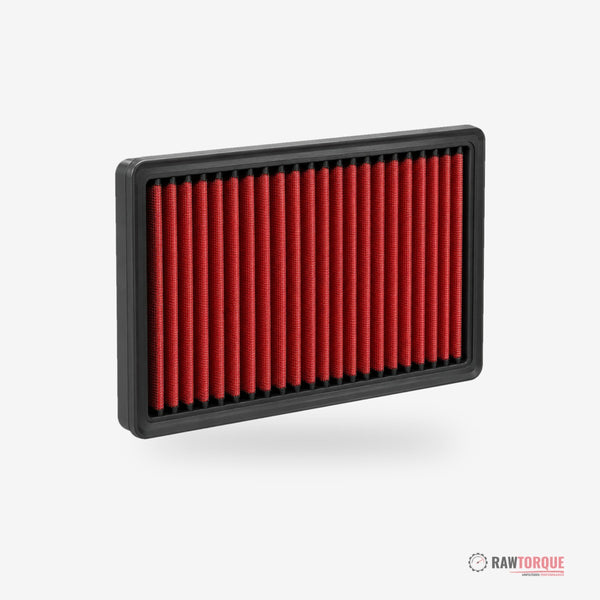
Featured in this guide
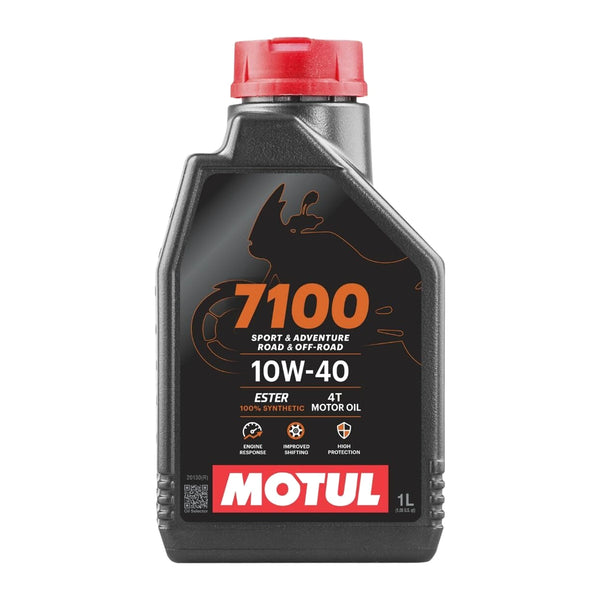
Motul 7100 10W-40 4T Fully Synthetic Engine Oil (1L)
Rs. 1,029.00

Liqui Moly Cera Tec (Ceratec) 3721 Ceramic Engine Oil Additive, Friction Modifier (300 ml)
Rs. 2,199.00
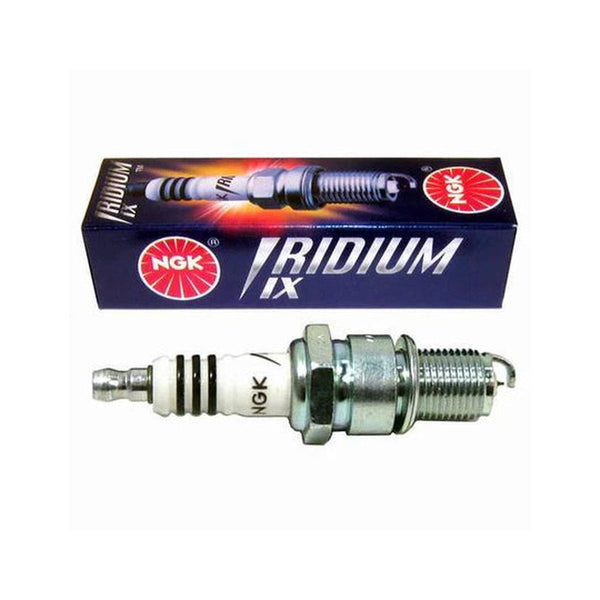
NGK CR7EIX Iridium IX Spark Plug for Royal Enfield Himalayan 411, Interceptor 650, Continental GT 650 & Super Meteor 650, TVS Apache RTR 160 / 180
Rs. 865.00
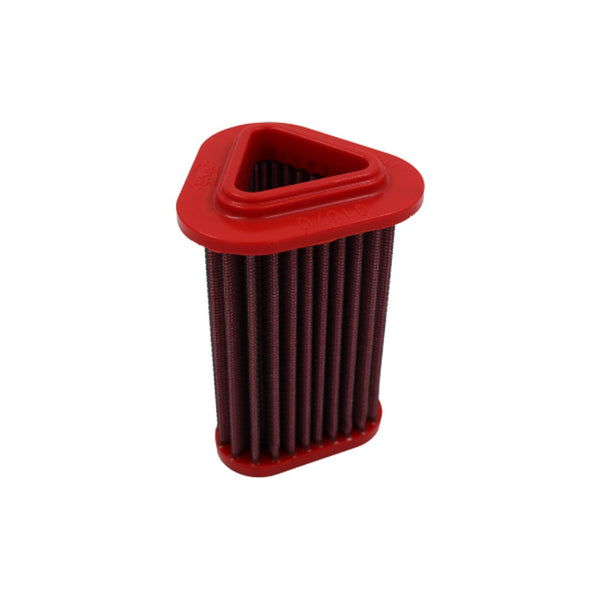
BMC FM01070 Air Filter for Royal Enfield Interceptor 650 / Continental GT 650 / Bear 650
Rs. 5,989.00
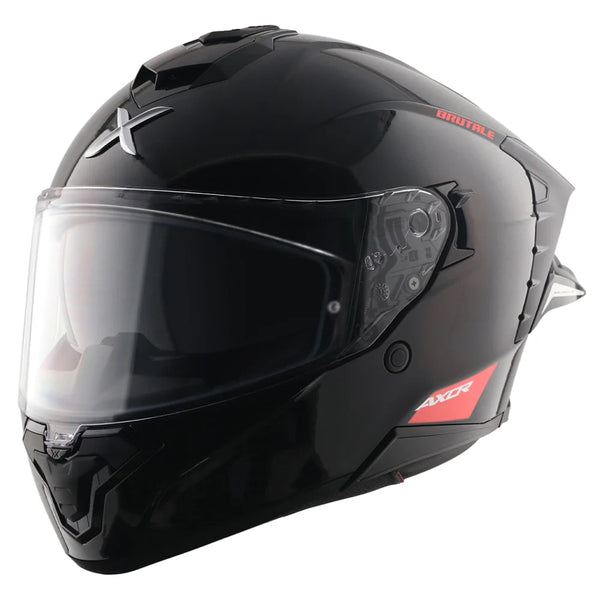
AXOR Brutale Solid Black Dual Spoiler Helmet (ECE/DOT/ISI Certified)
Rs. 7,989.00


