Performance Guides
Air Filter Upgrade India: Does a High-Flow Filter Actually Make a Difference?
High flow air filter guide for Indian riders — fitment specifics, real-world advice and performance insights. No filler.

High Flow Air Filter Motorcycle India Performance Difference: Real Gains for All Bikes?
By Rawtorque | May 2026 | 15 min read
The internal combustion engine is a simple beast: it needs fuel, spark, and air. While riders often obsess over fuel maps and exhaust notes, the air intake system is frequently overlooked. Specifically, the air filter. For riders across India, from the congested streets of Mumbai to the high-altitude passes of Ladakh, the question isn't just "does a high flow air filter make a difference?" but "what real-world high flow air filter motorcycle India performance difference can I expect?" This guide cuts through the marketing fluff to give you the facts on upgrading your air filter, especially considering the unique challenges and opportunities of riding in India. We’ll look at the technical aspects, practical benefits, and whether it’s a worthwhile investment for your machine, be it a Royal Enfield, KTM, or any other bike tearing up Indian roads.A high flow air filter for a motorcycle in India significantly improves engine breathing by reducing airflow restriction compared to stock paper filters. This leads to a measurable high flow air filter motorcycle India performance difference, including increased horsepower and torque, better throttle response, and potentially improved fuel efficiency, especially beneficial for riders navigating diverse Indian road conditions and dust. Proper maintenance is crucial for optimal gains.
What This Guide Covers
- Understanding Airflow: The foundation of performance.
- Stock vs. High-Flow Filters: A direct comparison of materials and design.
- How High-Flow Filters Work: The science behind the gains.
- Measurable Performance Benefits: Horsepower, torque, and throttle response.
- The Indian Context: Dust, heat, and maintenance challenges.
- Choosing the Right Filter: Brands, types, and what to look for.
- Installation & Maintenance: Getting it right and keeping it clean.
- Complementary Upgrades: Maximising your high-flow air filter's potential.
- FAQs: Answering common questions about the high flow air filter motorcycle India performance difference.
How Does a High Flow Air Filter Improve Motorcycle Performance for All Bikes in India?
Every engine needs air to burn fuel. The more efficiently an engine can draw in air, the more power it can produce. Think of your engine as a giant air pump. A stock air filter, while excellent at filtration, often acts as a significant restriction to this airflow. This is where a high flow air filter steps in. Its primary function is to allow a greater volume of air to pass through to the engine, with minimal restriction, while still maintaining critical filtration efficiency. On Indian roads, where dust and particulate matter are pervasive, the challenge is amplified. A filter needs to flow well but also protect the engine from abrasive particles. High-flow filters achieve this through different materials and construction. Instead of dense paper pleats, they typically use oiled cotton gauze, synthetic fabrics, or foam, which have a larger surface area and different pore structures. This design allows for a higher volume of air to pass through per unit of time, reducing the "work" the engine has to do to pull in air. Reducing intake restriction means the engine can "breathe" easier. This translates directly to a high flow air filter motorcycle India performance difference:- Increased Volumetric Efficiency: The engine fills its cylinders more completely with air/fuel mixture.
- Better Combustion: A denser charge leads to a more powerful combustion event.
- Improved Throttle Response: The engine reacts quicker to throttle inputs due to less intake lag.
- Potential Horsepower & Torque Gains: While not massive on its own, combined with other mods, it's a foundational step.
Don't confuse "more air" with "unfiltered air". A quality high-flow filter still filters effectively. The goal is flow *with* protection, not flow *instead* of protection. Cheap, poorly designed filters can cause more harm than good, especially with the dust levels we see on highways like NH44.
Stock vs. Aftermarket High-Flow Air Filters: What's the Real Difference for Indian Riders?
Understanding the fundamental differences between the air filter your bike rolled out of the factory with and an aftermarket high-flow unit is crucial for any rider considering an upgrade. This comparison becomes even more pertinent when you factor in the unique environmental conditions of India.Stock Air Filters: Designed for Balance
Most OEM (Original Equipment Manufacturer) air filters are made from pleated paper. Their design prioritises:- Excellent Filtration: Stock filters are engineered to trap a very high percentage of microscopic particles, protecting the engine from wear in diverse operating conditions, including dusty environments.
- Cost-Effectiveness: Paper filters are relatively inexpensive to produce, keeping manufacturing costs down.
- Low Maintenance: They are generally designed to be replaced at specific service intervals, requiring no cleaning.
- Noise Reduction: The dense material can also help dampen intake noise.
Aftermarket High-Flow Air Filters: Performance-Oriented
Aftermarket high-flow filters, often from brands like K&N, BMC, or DNA, are designed with a different philosophy: maximise airflow while maintaining sufficient filtration. They typically use different materials and construction:- Oiled Cotton Gauze: Multiple layers of cotton gauze, often pleated, are treated with a special oil. The oil helps trap fine particles, while the larger weave of the cotton allows significantly more air to pass through.
- Foam Filters: Multi-density foam layers are used, often oiled. These are excellent for off-road or extremely dusty conditions due to their large dirt-holding capacity and deep filtration.
- Synthetic Media: Advanced synthetic fibres are sometimes used, offering high flow and dry filtration (no oil required), appealing to those who prefer less mess.
Comparing Key Attributes:
| Feature | Stock Paper Filter | High-Flow Aftermarket Filter |
|---|---|---|
| Filtration Efficiency | Excellent (99%+) | Very Good (98-99%) |
| Airflow Restriction | High | Low |
| Maintenance | Replace at intervals | Clean & re-oil (reusable) |
| Cost | Low (per unit) | Higher initial, lower long-term |
| Performance Impact | Minimal | Noticeable (especially with other mods) |
| Typical Lifespan | 10,000 - 15,000 km | Up to 50,000 - 80,000 km (with proper cleaning) |
The 'initial cost vs. long-term savings' argument holds strong in India. A high-quality performance air filter, properly maintained, will outlast multiple stock filters, making it a smart investment for riders who clock serious miles on diverse terrains.
Understanding the Technicals: How High-Flow Filters Unlock Power
To truly appreciate the high flow air filter motorcycle India performance difference, it helps to understand the underlying physics. It's not magic; it's fluid dynamics and combustion science.Pressure Drop and Engine Breathing
When an engine's piston moves down on the intake stroke, it creates a vacuum, pulling air through the intake system. Any restriction in this path, primarily the air filter, causes a "pressure drop." A higher pressure drop means the engine has to work harder to pull in the same amount of air.- Stock Filter: Typically has a higher pressure drop due to denser media. This means the cylinders don't fill completely with air, leading to suboptimal combustion.
- High-Flow Filter: Engineered for significantly lower pressure drop. This allows the cylinders to fill more efficiently, leading to what's known as improved volumetric efficiency.
Air/Fuel Ratio (AFR) Considerations
Modern motorcycles use Electronic Fuel Injection (EFI) systems with oxygen sensors to maintain an optimal Air/Fuel Ratio (AFR). When you install a high-flow air filter, the engine starts drawing in more air.- Initial Impact: The EFI system's closed-loop control (using the O2 sensor) will typically compensate for the increased airflow by adding a small amount of fuel to maintain the target AFR. This compensation often happens within the ECU's learned parameters.
- Beyond Basic Compensation: For optimal gains, especially if combined with other performance parts like a free-flow exhaust (e.g., Barrel exhaust systems), a custom ECU remap or a piggyback fuel controller (like a Power Commander or Rapid Bike) is highly recommended. This allows precise tuning of the AFR across the entire RPM range, unlocking the full potential of the increased airflow. Without a tune, you might get some gains, but you'll be leaving power on the table.
Filtration vs. Flow: The Fine Balance
The biggest concern with high-flow filters, especially in dusty Indian conditions, is filtration. Critics often argue that increased airflow comes at the cost of filtration efficiency, leading to premature engine wear.- Quality Matters: Reputable brands invest heavily in R&D to ensure their high-flow filters still offer excellent filtration. They often use multi-layered oiled cotton gauze or advanced synthetic media that can trap particles as small as 5-10 microns while flowing significantly more air.
- Dirt Holding Capacity: High-flow filters typically have a larger dirt holding capacity due to their deeper pleats and different media structure. This means they can trap more dust before becoming restrictive, which is a huge advantage on dusty Indian highways and unpaved roads.
The real technical advantage of a high-flow filter isn't just "more air," but "more *unrestricted* air." This reduction in pumping losses translates to tangible power gains that you'll feel, especially in the mid-range where most Indian riding happens.
Measurable Performance Benefits: Horsepower, Torque, and Throttle Response for All Bikes
Let's talk numbers. What kind of high flow air filter motorcycle India performance difference can you realistically expect? It's important to set realistic expectations. An air filter alone won't turn your 20 HP bike into a 40 HP monster. However, it's a foundational modification that yields measurable gains, especially when paired with other upgrades.Horsepower (HP) and Torque (Nm) Gains
On its own, a high-flow air filter typically adds:- Horsepower: Expect gains in the range of 1-3 HP on most naturally aspirated bikes. For higher displacement or performance-oriented engines (e.g., KTM 390 Duke, Interceptor 650), this could be slightly higher, up to 5 HP.
- Torque: Torque gains are often more noticeable than peak HP, especially in the mid-range. You might see an increase of 1-4 Nm. This translates to better roll-on acceleration and less need to downshift, which is a blessing in city traffic and on overtakes on two-lane highways.
Improved Throttle Response
This is often the most immediately perceptible high flow air filter motorcycle India performance difference for riders.- Quicker Reaction: With less restriction in the intake path, the engine can draw in air more rapidly when the throttle is opened. This reduces the slight lag or hesitation often felt with stock filters.
- Smoother Power Delivery: The engine feels more eager and responsive to inputs, making for a more engaging and confident riding experience, whether you're navigating city traffic or carving corners in the ghats.
Fuel Efficiency (Mileage)
This is a more debated point.- Potential Improvement: Some riders report a slight improvement in fuel efficiency (e.g., 0.5-1 km/l). This is because a more efficient engine doesn't have to work as hard to produce the same power, potentially reducing fuel consumption under light load.
- Riding Style Impact: However, if the increased power encourages a more aggressive riding style, any potential fuel efficiency gains will be negated. Most riders who upgrade to a performance filter tend to use the extra power, not save fuel.
Sound Enhancement
While not a "performance" benefit in the traditional sense, many riders notice a slight, more aggressive intake growl with a high-flow filter. This is due to the less restrictive airflow and is often perceived as a desirable characteristic, especially when paired with a performance exhaust.| Metric | Typical Gain (Filter Only) | Typical Gain (Filter + Exhaust + Tune) |
|---|---|---|
| Horsepower | 1-3 HP | 5-15 HP (depending on bike) |
| Torque | 1-4 Nm | 5-12 Nm (depending on bike) |
| Throttle Response | Noticeably Improved | Significantly Improved |
Don't expect dyno-shattering numbers from an air filter alone. But do expect a sharper, more eager engine. The real magic happens when you combine it with a complementary exhaust and a proper ECU tune. That’s when the high flow air filter motorcycle India performance difference becomes truly apparent.
High Flow Air Filter Benefits for Indian Riding Conditions: Dust, Heat, and Long Rides
India presents a unique set of challenges and opportunities for motorcycle performance parts. The environment here is far from sterile, and riding conditions are incredibly diverse. How does a high-flow air filter stack up against these realities?Battling the Dust: A Major Factor
Anyone who rides in India knows dust is an omnipresent enemy. From rural roads to construction sites in major cities, fine particulate matter is everywhere.- Increased Dirt Holding Capacity: High-quality high-flow filters (especially oiled cotton gauze or foam) are designed with a much larger dirt holding capacity than stock paper filters. Their multi-layered structure and oil treatment allow them to trap more dust before becoming restrictive. This means consistent performance for longer, even on dusty stretches of NH66 or unpaved village roads.
- Washable & Reusable: This is a massive advantage. Instead of constantly buying new paper filters that clog quickly, you can clean and re-oil your performance filter. This not only saves money in the long run but ensures your engine always has a clean air supply, crucial for maintaining that high flow air filter motorcycle India performance difference.
Dealing with Indian Heat
India’s climate, especially during summer months, can push engine temperatures higher. While an air filter doesn't directly cool the engine, optimising airflow can have indirect benefits.- Efficient Combustion: A well-breathing engine with an optimal AFR burns fuel more efficiently. This can contribute to slightly lower engine temperatures compared to an engine struggling to pull in air, though the effect is minor.
- Consistent Performance: In high temperatures, engines naturally lose some power. By ensuring maximum airflow, a high-flow filter helps the engine perform closer to its potential, mitigating some of the power loss associated with heat.
Long Rides and Diverse Terrains
Indian riders love touring, whether it's the mountains of the Himalayas or the coastal routes of the South. These rides involve varied altitudes, temperatures, and road surfaces.- Altitude Performance: At higher altitudes, air density drops. While no filter can create air, a high-flow filter ensures that whatever air is available is drawn in with minimal resistance. This becomes even more critical for bikes tackling passes like Khardung La, where every bit of available oxygen counts.
- Consistent Power Delivery: Over long distances and varied terrains, the consistent, unrestricted airflow provided by a high-flow filter translates to less strain on the engine and more predictable power delivery, reducing rider fatigue.
Cost-Effectiveness in the Long Run
While the initial investment for a quality high-flow air filter (e.g., for Himalayan 450 accessories or KTM motorcycle accessories) is higher (INR 3,000 - 8,000), its reusability makes it more economical over the bike's lifespan. Considering a stock paper filter might cost INR 300-800 and needs replacement every 10,000-15,000 km, a high-flow filter cleaned every 5,000-10,000 km (depending on riding conditions) for 50,000+ km represents significant savings. The cleaning kit itself is a one-time purchase of around INR 700-1,200.For the typical Indian rider, the reusability and increased dirt-holding capacity of a high-flow filter are arguably as important as the performance gains. It means less time worrying about clogged filters and more time riding, with consistent power delivery through dust, traffic, and open highways.
Choosing the Right High Flow Air Filter for Your Motorcycle in India
With several brands and types available, selecting the right high-flow air filter can be confusing. Here’s what to look for to ensure you get a product that delivers a genuine high flow air filter motorcycle India performance difference without compromising engine health.Key Considerations
- Bike Specific Fitment: Always choose a filter specifically designed for your motorcycle model. Universal filters rarely offer optimal fit or performance. Brands like K&N, BMC, and DNA have extensive catalogues covering a wide range of Indian bikes, from Royal Enfield to TVS.
-
Filter Material:
- Oiled Cotton Gauze (e.g., K&N, BMC): Excellent balance of flow and filtration. Requires cleaning and re-oiling. Very popular for street and mild off-road use.
- Foam (e.g., DNA): Often used in more aggressive off-road applications due to superior dirt-holding capacity and deep filtration. Also requires oiling.
- Dry Synthetic (less common for motorcycles): Offers high flow without oil, easier maintenance, but sometimes at a slight compromise in ultimate filtration compared to oiled media.
- Filtration Efficiency: Don't just chase maximum flow. Ensure the filter still provides adequate filtration for the dusty Indian environment. Reputable brands publish their filtration efficiency numbers, often in the 98-99% range for particles above 5 microns, which is comparable to, or even better than, some stock filters over their lifespan.
- Construction Quality: Look for sturdy construction, durable rubber seals, and robust pleating. A poorly constructed filter can lead to unfiltered air bypassing the filter media, causing engine damage.
-
Brand Reputation: Stick to established brands. They have decades of R&D and proven track records.
- K&N Filters: Arguably the most recognised global brand, offering excellent flow and filtration for a vast range of bikes.
- BMC Air Filters: Italian-made, known for high performance and OEM supply to some premium manufacturers.
- DNA Filters: Greek manufacturer, highly regarded for both road and off-road applications, often seen on Royal Enfield and KTM bikes.
- Price vs. Value: While performance filters cost more upfront (typically INR 3,000 to INR 8,000), consider the long-term value of reusability and performance gains. A cheap, no-name filter might save you money initially but could compromise engine protection.
Drop-in vs. Conical/Pod Filters
Most high-flow air filters for street bikes are "drop-in" replacements. They fit directly into your existing airbox, replacing the stock filter element. This is the simplest and most recommended upgrade, as it retains the airbox's design, which often contributes to intake resonance and noise reduction. Conical or pod filters replace the entire airbox. While they offer maximum airflow and a more aggressive intake sound, they have several downsides:- Exposure to Elements: They are more exposed to heat, water, and dust, which is a major concern in India's diverse weather conditions.
- Tuning Difficulty: Removing the airbox often drastically changes the engine's intake characteristics, almost always requiring a custom tune to run correctly.
- Legality/RTO: Modifying the airbox might fall into a grey area regarding vehicle modifications.
Always verify the exact model number for your bike. A filter for an Interceptor 650 won't fit a Himalayan 450. A good vendor will list compatibility clearly. Don't cheap out on a critical component like an air filter; your engine's longevity depends on it.
Installation and Maintenance of Performance Air Filters on Your Motorcycle
Proper installation and diligent maintenance are paramount to realising the full high flow air filter motorcycle India performance difference and ensuring your engine's longevity. A high-flow filter is a reusable component, but "reusable" doesn't mean "maintenance-free."Installation: A Straightforward Process
For most drop-in high-flow filters, installation is relatively simple:- Access the Airbox: This usually involves removing the seat, side panels, or sometimes the fuel tank, depending on your bike model. Consult your owner's manual for specific instructions on accessing the air filter housing.
- Remove Old Filter: Unclip or unscrew the airbox cover and carefully remove the stock paper filter. Note its orientation.
- Clean Airbox: This is a critical step, especially in India. Use a clean cloth to wipe any dust or debris from inside the airbox. Ensure no dirt falls into the intake tract.
- Install New Filter: Carefully place the high-flow filter into the airbox, ensuring a snug fit and proper sealing around the edges. The rubber gasket should sit perfectly in its groove.
- Reassemble: Secure the airbox cover and reattach any panels or the seat. Double-check all clips and screws.
Maintenance: The Key to Longevity and Performance
This is where high-flow filters differ significantly from stock paper filters. They need cleaning and re-oiling at regular intervals.-
Frequency: In India, due to dust, you might need to clean your filter more often than recommended by global manufacturers.
- Normal Riding (City/Highway): Every 5,000 - 8,000 km or once every 6 months, whichever comes first.
- Dusty/Off-road Riding (e.g., Ladakh trips, rural roads): Every 2,000 - 3,000 km or after any particularly dusty ride.
-
Cleaning Process (using a dedicated cleaning kit):
- Remove Filter: Access and remove the filter from the airbox.
- Apply Cleaner: Spray the specialised air filter cleaner (e.g., K&N Air Filter Cleaner) liberally onto both sides of the filter. Allow it to soak for 10-15 minutes to break down dirt and old oil.
- Rinse: Gently rinse the filter from the *clean side* (the side facing the engine) outwards with low-pressure water. This pushes dirt out. Continue until the water runs clear. Never use high-pressure water.
- Dry: Allow the filter to air dry completely. This is crucial. Never use compressed air or heat guns, as they can damage the filter media. Drying can take several hours, so plan accordingly.
- Re-oil: Once completely dry, apply the recommended air filter oil (e.g., K&N Air Filter Oil) evenly along the pleats. A light, even coat is sufficient. Don't over-oil, as this can restrict airflow and potentially foul sensors. The filter should have a uniform reddish tint (for red oil) or a slightly damp feel.
- Reinstall: Once oiled, reinstall the filter in your airbox.
- Cleaning Kits: Always use the cleaning and oiling kit recommended by the filter manufacturer. These kits are specifically formulated for their filter media. A typical kit costs around INR 700 - 1,200 and lasts for several cleanings.
The biggest mistake riders make with high-flow filters is neglecting maintenance. A dirty performance filter is worse than a fresh stock one. Factor in the cleaning routine into your riding schedule, especially if you're frequently riding through dusty patches or on long tours.
Maximising the High Flow Air Filter Motorcycle India Performance Difference: Complementary Upgrades for All Bikes
While a high-flow air filter offers standalone benefits, its true potential is unleashed when combined with other performance modifications. These upgrades work synergistically to create a more powerful, responsive, and enjoyable riding experience for all performance parts and bikes.1. Performance Exhaust System
Just as an engine needs to breathe in efficiently, it also needs to exhale effectively. A restrictive stock exhaust system can create back pressure, hindering the engine's ability to scavenge exhaust gases and draw in fresh air.- How it Helps: A free-flow exhaust (e.g., from Barrel exhaust systems, Akrapovic, Race Dynamics) reduces back pressure, allowing exhaust gases to exit more quickly. This improves engine breathing on the exhaust side, complementing the improved intake flow from the high-flow air filter.
- Combined Effect: The combination of a high-flow intake and a free-flow exhaust creates a much less restrictive path for gases to move through the engine, leading to significant gains in horsepower and torque across the RPM range.
- Sound: Expect a deeper, more aggressive exhaust note, which many riders find desirable.
2. ECU Remap or Piggyback Fuel Controller
This is the most crucial complementary upgrade if you want to extract maximum performance and ensure your engine runs safely.- Why it's Needed: When you increase both intake (air filter) and exhaust flow, the engine's air/fuel ratio (AFR) can be altered beyond what the stock ECU can optimally compensate for. Running too lean (too much air, not enough fuel) can cause excessive engine heat and potential damage.
-
How it Helps:
- ECU Remap: Involves reflashing the bike's stock Engine Control Unit (ECU) with new fuel and ignition maps tailored to your specific modifications. This provides the most precise and integrated tuning solution.
- Piggyback Fuel Controller (e.g., Power Commander, Rapid Bike): An external module that intercepts and modifies signals between the ECU and the engine's injectors and ignition system. It allows for custom tuning without altering the stock ECU directly.
- Benefits: A proper tune ensures the engine receives the correct amount of fuel for the increased airflow, optimising combustion, preventing lean conditions, and unlocking the full potential of your air filter and exhaust upgrades. It can smooth out power delivery, improve throttle response further, and even enhance fuel efficiency under certain riding conditions.
3. Spark Plug Upgrades
While not directly related to airflow, upgrading to iridium or platinum spark plugs can offer a more consistent and powerful spark, leading to better combustion.- How it Helps: A more efficient spark ensures that the denser, more oxygen-rich air/fuel mixture (resulting from your high-flow filter and tune) ignites completely, contributing to maximum power output.
- Cost: These are relatively inexpensive upgrades (INR 400-800 per plug) with noticeable benefits.
4. Lightweight Components and Gearing Changes
While not directly impacting engine breathing, these modifications enhance the perceived and actual performance of your bike.- Lightweight Wheels/Sprockets: Reducing unsprung weight and rotating mass makes the bike feel more agile and accelerates quicker.
- Gearing Changes: Swapping sprockets (e.g., one tooth down on the front, or two up on the rear) can dramatically alter acceleration characteristics, making the bike feel much punchier in city traffic or for quick overtakes on NH44.
5. Other Rider-Focused Upgrades
For a complete performance package, consider upgrades that enhance control and rider comfort, especially for touring.- Suspension Upgrades: Better suspension allows you to use the increased power more effectively and safely.
- Braking Upgrades: More power means you need more stopping power. Braided lines, better pads, or larger discs are excellent investments.
- Ergonomics: Handlebar risers, wider footpegs, and a comfortable seat improve rider control and endurance on long rides. Check out rider essentials and gear for more.
Think of a high-flow air filter as opening the front door for your engine. An exhaust is opening the back door. A tune is the conductor making sure everyone moves smoothly through the house. Don't just open one door and expect miracles. Optimise the whole system for the best high flow air filter motorcycle India performance difference.
Frequently Asked Questions: high flow air filter motorcycle india performance difference
Is a high flow air filter worth it for a commuter bike in India?
Yes, even for commuter bikes, a high flow air filter offers benefits. While peak horsepower gains might be less critical, the improved throttle response and smoother power delivery make navigating city traffic easier and more enjoyable. The reusability also provides long-term cost savings compared to frequently replacing stock paper filters in dusty Indian conditions, ensuring consistent high flow air filter motorcycle India performance difference.
Will a high flow air filter void my motorcycle's warranty in India?
Generally, installing a high flow air filter alone should not void your entire motorcycle warranty. However, if a problem directly attributable to the filter (e.g., engine damage from improper filtration due to a faulty or unmaintained filter) occurs, the manufacturer might deny warranty claims for that specific issue. Always use a reputable brand and follow maintenance instructions meticulously to avoid such situations. Check your bike's warranty terms or consult your service centre.
Do I need to tune my ECU after installing a high flow air filter?
For most modern fuel-injected bikes, the ECU's closed-loop system will usually compensate for the slightly increased airflow from just a high-flow air filter, maintaining a safe air/fuel ratio. However, for optimal high flow air filter motorcycle India performance difference and to unlock the full potential of the filter (especially if combined with an aftermarket exhaust), a custom ECU remap or a piggyback fuel controller is highly recommended. This ensures precise AFR tuning across all RPMs.
How often should I clean my high flow air filter in India?
Due to the dusty conditions in India, it's advisable to clean your high flow air filter more frequently than standard recommendations. For normal city and highway riding, aim for every 5,000-8,000 km or every 6 months. If you frequently ride in very dusty areas, off-road, or on long tours through rural patches, clean it every 2,000-3,000 km or after any particularly dusty trip. Regular visual inspection is key.
Are high flow air filters bad for engine life due to reduced filtration?
No, high-quality high flow air filters from reputable brands (like K&N, BMC, DNA) are designed to provide excellent filtration while increasing airflow. They use advanced multi-layered oiled cotton gauze or foam media that effectively traps dirt particles. When properly installed and maintained (cleaned and re-oiled regularly), they offer comparable or even superior engine protection compared to stock filters, especially considering their higher dirt-holding capacity in dusty Indian environments. Cheap, unbranded filters, however, can be risky.
What's the typical cost of a high flow air filter and its cleaning kit in India?
A quality high flow air filter for motorcycles in India typically costs between INR 3,000 and INR 8,000, depending on the bike model and brand (e.g., K&N, BMC, DNA). A dedicated cleaning and re-oiling kit usually costs around INR 700 to INR 1,200. While the initial investment is higher than a stock filter, the filter's reusability means significant long-term savings and consistent high flow air filter motorcycle India performance difference over its lifespan of 50,000+ km.
Ready to Build Your Setup?
Shop performance parts for All Bikes, no filler, no guesswork.
Featured in this guide
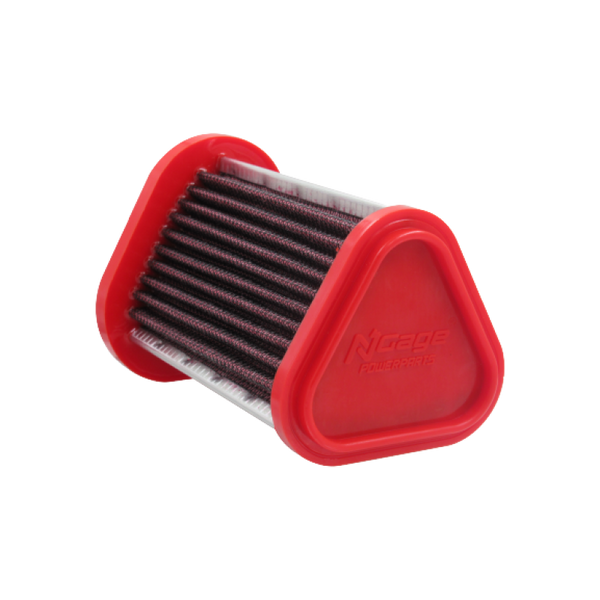
NGage Hyper Flow Air Filter for Royal Enfield Twins 650 / Interceptor / Continental GT / Bear 650 (BS4, BS6, Euro 4 & 5)
Rs. 2,899.00
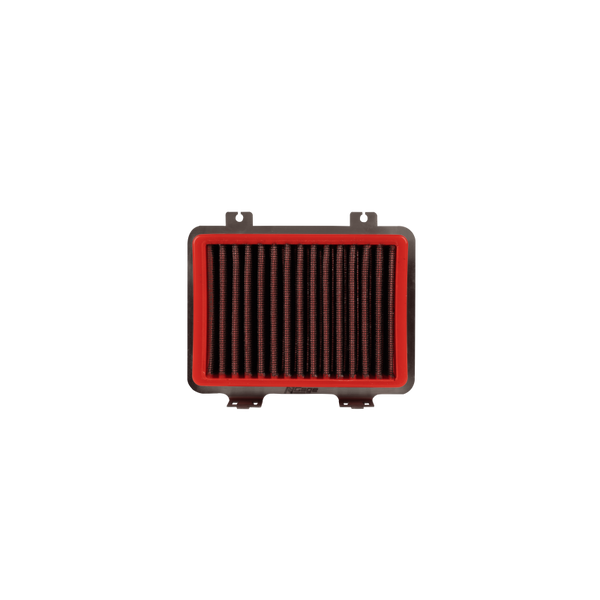
NGage Hyper Flow Air Filter for KTM Duke 125 & 390, Adventure 250 & 390, RC 200 & 390 (BS4 & BS6)- 011PKTM390
Rs. 4,250.00
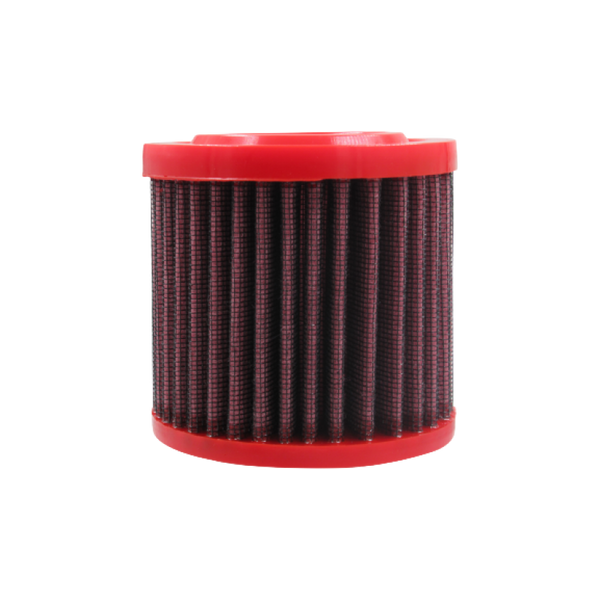
N-Gage Hyper Flow Air Filter for Royal Enfield Meteor 350, Classic 350 & Hunter 350
Rs. 2,999.00


