Performance Guides
Best Exhaust for Royal Enfield Interceptor 650 in India 2026
best exhaust royal enfield interceptor — guide for Indian riders. No filler.

Best Exhaust for Royal Enfield Interceptor 650 in India 2026
The Royal Enfield Interceptor 650 is a modern classic, a twin-cylinder machine that’s grabbed the attention of riders across India. It’s got character, decent power, and a chassis that handles our roads well. But let’s be honest: the stock exhaust system is a compromise. It’s heavy, restricts the engine’s true voice, and leaves a lot of performance on the table. If you’re riding an Interceptor 650 in 2026 and haven’t upgraded your pipes, you’re missing out. This isn't just about making noise; it’s about unlocking horsepower, shedding serious weight, and getting that raw, unfiltered twin-cylinder thrum that makes every ride an experience. We’re breaking down the best performance exhausts available in India, focusing on real-world gains, build quality, and what you’ll pay for it.
For the Royal Enfield Interceptor 650 in India in 2026, the best performance exhaust depends on your priority: for a balanced upgrade with excellent sound and noticeable weight reduction, the Barrel Exhaust Carbon Slip-ons (approx. INR 25,000 - 35,000) or AEW 650 Slip-ons (approx. INR 20,000 - 30,000) offer superb value and performance. If maximum power and weight savings are your goal, a S&S Cycle Slip-on (approx. INR 45,000 - 55,000) or a full system from a premium brand like Akrapovič (approx. INR 80,000+) delivers top-tier results. Always factor in legality and potential ECU remapping for full systems.
Understanding Your Interceptor 650's Exhaust Needs
Before we dive into specific products, let’s get clear on what an exhaust upgrade actually does for your Interceptor 650. It’s more than just a sound change; it’s a fundamental alteration to how your engine breathes and performs. The stock system on the Interceptor 650 is designed for mass production, meeting various global emission and noise regulations. This means it’s often overly restrictive, heavy, and prioritises quiet operation over raw performance.
Sound Profile: More Than Just Loud
Every exhaust has a unique sound signature. For the Interceptor 650’s 270-degree parallel twin, you're looking for that deep, throaty rumble that hints at power, not just a tinny bark. Good exhausts enhance the bike's natural acoustics, bringing out the character of the engine. Some riders prefer a raw, open sound, while others want a refined, bass-heavy thrum that doesn't drone on long highway runs. We’ll talk about dB levels and the type of sound each system produces.
Performance Gains: Horsepower and Torque
The primary reason for a performance exhaust is, well, performance. A less restrictive exhaust allows the engine to expel gases more efficiently, reducing back pressure and letting the engine rev more freely. This translates directly to gains in horsepower and torque, particularly in the mid-range where the Interceptor 650 operates most of the time on Indian roads, think overtaking on NH44 or climbing ghats in the Western Ghats. While a slip-on will offer moderate gains (typically 1-3 HP), a full system with an ECU remap can unlock significantly more power, sometimes up to 8-10 HP, along with a flatter torque curve. We'll cite realistic figures.
Weight Reduction: Handling and Agility
This is often overlooked but crucial. The stock Interceptor 650 exhaust system is notoriously heavy, weighing in at around 16-17 kg. Swapping this out for a lighter aftermarket system, especially one made from stainless steel or carbon fibre, can shave off anywhere from 8 to 12 kg. That’s a massive reduction in unsprung weight, directly impacting the bike’s handling, agility, and even braking performance. Less weight means quicker turn-ins, easier filtering through city traffic, and a more responsive feel overall. This makes a noticeable difference whether you're carving through the Nilgiris or navigating the streets of Mumbai.
Legality and RTO Norms in India
This is the elephant in the room for any exhaust upgrade in India. Technically, any modification that alters the vehicle's original specifications (including noise levels) can be deemed illegal by RTO authorities. However, the reality on the ground is more nuanced. Many premium aftermarket exhausts come with removable dB killers or are designed to stay within reasonable noise limits. It's always advisable to choose systems that offer some form of sound management and to ride responsibly. Extremely loud, uncorked exhausts are more likely to attract unwanted attention from traffic police, particularly in metro areas. Factor this into your decision-making.
Materials and Build Quality
Performance exhausts are typically made from Stainless Steel (SS304), Titanium, or Carbon Fibre.
- SS304: Durable, good heat resistance, moderately heavy, and cost-effective. Most common choice.
- Titanium: Extremely light, excellent heat dissipation, highly corrosion-resistant, but significantly more expensive.
- Carbon Fibre: Very light, excellent aesthetics, good heat shielding properties, but can be susceptible to impact damage and is generally premium priced.
Don't just chase the loudest exhaust. Look for a system that offers a balanced improvement in sound, performance, and significant weight reduction. Consider how it complements other performance parts you might be considering.
Top Performance Exhausts for the Interceptor 650 in India
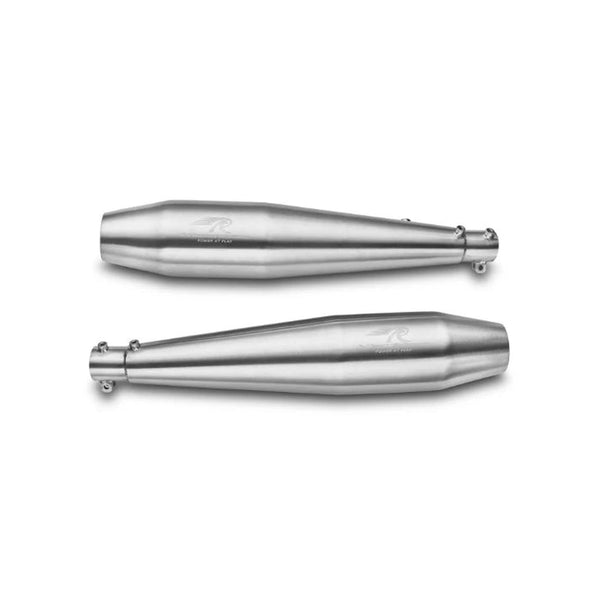
1. Barrel Exhaust - The Indian Powerhouse
Barrel Exhaust has carved out a strong reputation in the Indian market, especially for Royal Enfield motorcycles. Their offerings for the Interceptor 650 are well-regarded for their distinctive sound, robust build, and tangible performance gains. They understand the Indian rider and the conditions our bikes face.
Barrel Exhaust Carbon Slip-ons (Full Black / Chrome Finish)
- Type: Slip-on mufflers.
- Material: High-grade stainless steel with carbon fibre end caps or full stainless steel.
- Weight Reduction: Significant. The stock system is around 16.5 kg. Barrel slip-ons typically weigh around 3-4 kg per side, leading to a total weight saving of approximately 8-10 kg. This alone transforms the bike's agility.
- Sound Profile: Deep, throaty rumble. It’s louder than stock but generally well-controlled, especially with the dB killers in place. Without them, it’s a much more aggressive, raw sound, perfect for those weekend blasts but potentially tiring for long tours. Expect sound levels in the 90-95 dB range with baffles, and 100+ dB without.
- Performance Gains: Expect a noticeable bump in mid-range torque and a smoother power delivery. Dyno tests typically show a gain of 2-4 HP and 3-5 Nm of torque without requiring an ECU remap for slip-ons, though a remap can further optimise it. The engine breathes much better.
- Build Quality: Excellent. Welds are clean, finishes are durable, and they're built to withstand Indian road conditions.
- Installation: Direct bolt-on replacement for the stock mufflers. Easily installed at home with basic tools or by a local mechanic.
- Price (Approx. 2026): INR 25,000 - 35,000, depending on the specific model and finish.
Pros:
- Excellent value for money for the performance and sound.
- Significant weight reduction immediately improves handling.
- Distinctive, rich sound that enhances the Interceptor's character.
- Durable construction, made for Indian conditions.
- No ECU remap strictly required for slip-ons, though recommended for optimal gains.
Cons:
- Can be quite loud without dB killers, potentially attracting RTO attention.
- Not a full system, so header pipes remain stock.
The Barrel exhaust offers one of the best bang-for-buck upgrades for the Interceptor 650. If you want a significant improvement without breaking the bank on a full system, their slip-ons are a solid choice. Consider combining with a performance air filter for even better breathing.
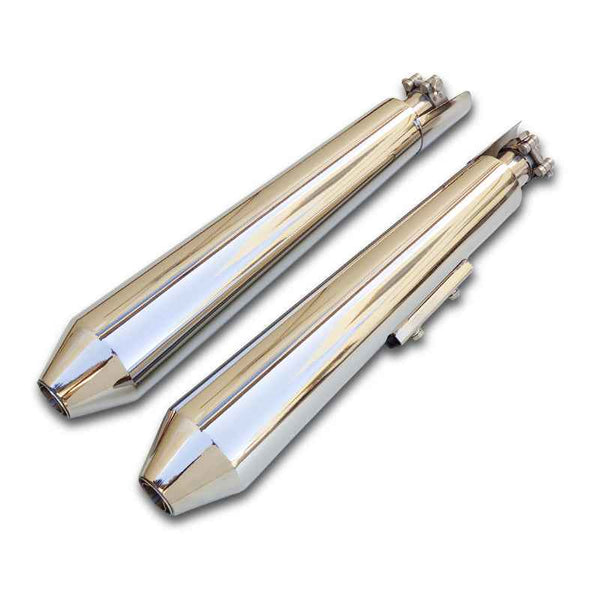
2. S&S Cycle Slip-Ons - American Muscle for Your Twin
S&S Cycle is a legendary name in American V-twin performance, and their entry into the Interceptor 650 market was met with enthusiasm. These slip-ons are designed for performance and a classic, guttural sound that perfectly complements the parallel twin engine.
S&S Cycle Slip-Ons for Interceptor 650
- Type: Slip-on mufflers.
- Material: High-quality stainless steel with a durable ceramic black or polished finish.
- Weight Reduction: Very good. Similar to Barrel, expect a weight saving of 8-10 kg over the stock system.
- Sound Profile: Deep, resonant, and unmistakably American twin. It’s louder and more aggressive than stock, with a satisfying bark on acceleration. S&S is known for its distinctive tone. With the dB killers, it’s acceptable for street use; without, it’s a full-on roar. Expect 92-98 dB with baffles.
- Performance Gains: S&S claims and dyno charts consistently show a noticeable increase in horsepower and torque across the rev range, particularly in the mid to upper RPMs. Gains of 3-5 HP and 4-6 Nm are common. The bike feels more eager to rev.
- Build Quality: Premium. S&S has a long history of quality manufacturing. The welds are precise, and the finish is top-notch, designed for longevity.
- Installation: Straightforward bolt-on installation, similar to other slip-ons.
- Price (Approx. 2026): INR 45,000 - 55,000.
Pros:
- Proven performance gains from a reputable brand.
- Distinctive, powerful sound that many riders prefer.
- Excellent build quality and durability.
- Significant weight reduction.
Cons:
- Higher price point than some Indian-made alternatives.
- Can be quite loud without baffles, potentially leading to RTO issues.
If you appreciate American engineering and a sound profile that demands attention, the S&S Cycle slip-ons are a fantastic choice for your Interceptor 650. They offer a strong blend of performance and classic character.
3. Fuel Exhausts - UK Engineering, Global Performance
Hailing from the UK, Fuel Exhausts have made a name for themselves by offering high-quality, lightweight, and great-sounding exhausts at a competitive price. Their approach is about delivering genuine performance and choice to the rider.
Fuel Exhausts Slip-Ons (Various Finishes: Carbon, Titanium, Stainless)
- Type: Slip-on mufflers.
- Material: Available in Stainless Steel, Carbon Fibre, and Titanium options, offering choices for weight and aesthetics.
- Weight Reduction: Excellent, especially with Carbon Fibre or Titanium options. Expect 9-11 kg reduction from stock.
- Sound Profile: Tunable. Fuel exhausts often come with multiple baffle options, allowing riders to fine-tune the sound from street-legal subtle to a more aggressive roar. Generally, a deep, resonant tone that isn't overly harsh. Typically 88-96 dB depending on baffles.
- Performance Gains: Fuel claims performance improvements across the board, with dyno tests showing 2-4 HP and 3-5 Nm torque gains. The less restrictive design helps the engine breathe more freely, improving throttle response and mid-range pull.
- Build Quality: Very good, with clean welds and durable finishes. The variety of materials allows riders to choose based on their preference for weight, looks, and budget.
- Installation: Standard slip-on installation, relatively easy for a DIY enthusiast or any workshop.
- Price (Approx. 2026): INR 30,000 - 45,000, varying significantly with material choice.
Pros:
- Choice of materials (Carbon, Titanium, SS) to suit budget and weight goals.
- Tunable sound with multiple baffle options.
- Solid performance gains and significant weight reduction.
- Competitive pricing for a European brand.
Cons:
- Availability might be slightly less consistent than local brands.
- Titanium/Carbon options push the price higher.
Fuel Exhausts are a strong contender if you're looking for a customizable sound and excellent build quality without going for the absolute top-tier price. The ability to choose materials is a big plus for Interceptor 650 accessories.
4. Akrapovič Slip-Ons - The Pinnacle of Performance
When budget isn't the primary concern and absolute top-tier performance, weight savings, and brand prestige are, Akrapovič is often the go-to choice. The Slovenian manufacturer is synonymous with high-performance exhausts across all motorcycling disciplines.
Akrapovič Slip-On Line (Carbon/Titanium)
- Type: Slip-on mufflers.
- Material: High-grade Titanium outer sleeve with Carbon Fibre end caps.
- Weight Reduction: Exceptional. Akrapovič systems are engineered for minimal weight. Expect a reduction of 10-12 kg from the stock system, making the Interceptor feel significantly lighter and more flickable.
- Sound Profile: Refined and sporty. Akrapovič exhausts are known for a deep, resonant growl that is aggressive under throttle but typically doesn't drone excessively at cruising speeds. They meet most international noise regulations with dB killers in. Expect 90-95 dB with baffles.
- Performance Gains: While slip-ons won't match a full system, Akrapovič's engineering delivers noticeable gains, typically 3-5 HP and 4-6 Nm of torque. The focus is on a smooth, linear power delivery and improved throttle response across the rev range.
- Build Quality: Unparalleled. Flawless welds, perfect fitment, and the highest quality materials. This is an exhaust system built to last the lifetime of the bike and beyond.
- Installation: Direct bolt-on. Simple for anyone with basic mechanical skills, but given the investment, professional installation is often preferred.
- Price (Approx. 2026): INR 80,000 - 1,00,000+. This is a premium product with a premium price tag.
Pros:
- Best-in-class build quality and materials.
- Maximum weight reduction among slip-ons.
- Refined, sporty sound with good performance gains.
- Unmatched brand prestige and resale value.
Cons:
- Extremely high price point, making it a significant investment.
- Still a slip-on, not a full system, so some restrictions remain.
If you demand the absolute best and your budget allows, Akrapovič delivers a top-tier experience. It's an investment that pays off in every ride, transforming your Interceptor 650's feel and sound dramatically.
5. AEW Performance Exhausts - The Local Contender with a Roar
AEW (Auto Engina Works) is another popular Indian brand known for its commitment to Royal Enfield exhausts. They offer a range of options for the 650 twins, focusing on sound and performance that resonates with the local riding community.
AEW 650 Performance Slip-Ons (Various Designs)
- Type: Slip-on mufflers.
- Material: High-grade stainless steel, often with various finishes (chrome, black, brushed).
- Weight Reduction: Very good, typically shaving off 8-10 kg from the stock system.
- Sound Profile: AEW exhausts are generally known for a louder, more aggressive sound than stock, with a strong bass note. They often provide a raw, untamed twin-cylinder thrum that many RE riders seek. With dB killers, they are manageable; without, they are quite loud. Expect 95-100 dB without baffles, 90-95 dB with.
- Performance Gains: Similar to other quality slip-ons, expect 2-4 HP and 3-5 Nm torque gains, especially in the mid-range. The improved flow helps the engine breathe better, enhancing throttle response.
- Build Quality: Solid construction, good welds, and durable finishes that hold up to Indian conditions. They are built for purpose.
- Installation: Simple bolt-on process.
- Price (Approx. 2026): INR 20,000 - 30,000.
Pros:
- Aggressive, satisfying sound profile.
- Good performance gains and significant weight reduction.
- Competitive pricing for a quality Indian-made product.
- Strong presence and support in the Indian market.
Cons:
- Can be on the louder side, even with dB killers, potentially attracting RTO attention.
- Aesthetics might be less refined than some international premium brands, depending on the specific model.
If you're looking for a robust, performance-oriented Indian exhaust with a strong, characterful sound, AEW is a strong contender. It's a popular choice for riders who want to make their Interceptor 650 truly roar.
The Weight Factor: Why It Matters So Much
Let's reiterate this: the Interceptor 650, at around 202 kg wet, is not a light bike. The stock exhaust system alone contributes a hefty 16-17 kg to that figure. When you swap it out for a system that weighs 5-8 kg (total for both sides), you're dropping 8-12 kg off the bike's overall mass. This isn't just a number; it's a tangible change in how the bike feels and handles. Imagine losing 10-12 kg from your own body weight, you’d feel lighter, more agile, and less fatigued. Your bike feels the same. This weight reduction, especially being low and central, significantly improves:
- Handling: Quicker steering, easier lean-in, more responsive changes of direction.
- Acceleration: Less mass to propel forward.
- Braking: Less inertia to overcome when slowing down.
- Suspension Performance: Less unsprung weight allows the suspension to work more effectively.
Never underestimate the impact of weight reduction. It's not just about speed; it's about the entire riding dynamic. A lighter Interceptor 650 is a more engaging and confident machine, especially on our varied Indian tarmac.
Installation and Tuning Considerations
Most of the exhausts discussed above are slip-on systems. This means they replace only the rear muffler sections, bolting directly onto the stock header pipes. Installation is generally straightforward, requiring basic tools and around 30-60 minutes. However, a few points are crucial:
- Gaskets: Always use new exhaust gaskets where the slip-ons connect to the headers. This prevents leaks and ensures optimal performance. Many good kits include them.
- Tightening Sequence: Follow the manufacturer's torque specs. Over-tightening can strip threads, under-tightening leads to leaks.
- Professional Installation: While DIY is possible, if you're unsure, a professional mechanic can ensure perfect fitment and prevent any issues.
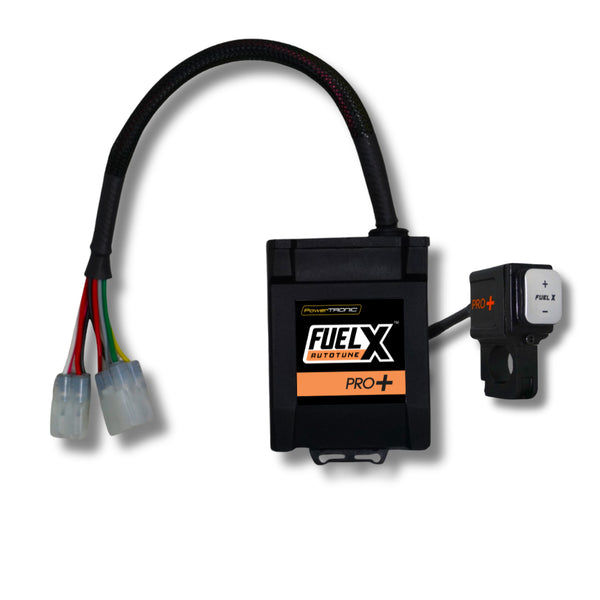
- ECU Remap for Slip-ons: For slip-on exhausts, an ECU remap is generally not strictly necessary. The stock ECU can usually adapt to the slightly increased airflow. However, for optimal performance, a custom ECU remap or a piggyback unit (like a Power Commander) will fine-tune the fuel-air mixture, extracting every bit of power and ensuring smooth running. This is especially true if you also upgrade your performance air filters.
- Full Systems and ECU Remap: If you ever decide to go for a full exhaust system (replacing headers and mufflers), an ECU remap becomes almost mandatory. A full system drastically changes exhaust flow, and without proper fueling adjustments, the bike can run lean, leading to potential engine damage and poor performance.
Even for slip-ons, consider pairing your new exhaust with a high-flow performance air filter. Better intake and exhaust flow work together to maximise gains. And if you're serious about unlocking full potential, an ECU remap is the final piece of the puzzle.
Conclusion: Choosing Your Roar
Upgrading the exhaust on your Royal Enfield Interceptor 650 is one of the most impactful modifications you can make. It’s not just about a louder bike; it’s about a lighter, more agile, and more powerful machine that truly reflects its twin-cylinder heritage. Whether you opt for the proven Indian performance of Barrel or AEW, the American muscle of S&S, the tunable quality of Fuel, or the ultimate refinement of Akrapovič, you’re investing in a fundamentally better riding experience.
Consider your priorities: Is it maximum weight savings? The most aggressive sound? A balance of both? Your budget will, of course, play a role, but remember that a quality exhaust is a long-term investment in your riding pleasure. Ride safe, ride hard, and let that Interceptor 650 sing its true song on the highways of India.
Will installing an aftermarket exhaust void my Royal Enfield Interceptor 650's warranty?
Technically, any non-OEM modification can be cited by a dealership as a reason to void a warranty, especially if the modification directly causes an issue. For slip-on exhausts, the risk is generally low for engine-related issues, as they don't significantly alter engine parameters. However, Royal Enfield's stance can vary by dealership. It's always best to check with your specific service centre before making modifications if warranty is a major concern.
Do I need an ECU remap for a slip-on exhaust on my Interceptor 650?
For most slip-on exhausts, an ECU remap is not strictly necessary. The stock ECU has enough adaptability to compensate for the slightly increased airflow. However, for optimal performance, smoother power delivery, and to prevent any potential lean spots, a custom ECU remap or a piggyback fuel controller is highly recommended. If you combine it with a performance air filter, a remap becomes even more beneficial.
What about RTO rules and legality for aftermarket exhausts in India?
In India, any modification that alters the vehicle's original specifications, including exhaust noise levels, can be deemed illegal under the Motor Vehicles Act. While many aftermarket exhausts come with removable dB killers to manage sound, enforcement varies. Extremely loud exhausts are more likely to attract attention from traffic police. It's advisable to choose systems that offer sound management and to ride responsibly to avoid issues.
What's the difference between a slip-on and a full exhaust system?
A slip-on exhaust replaces only the muffler section of your bike's exhaust system, bolting onto the stock header pipes. It's a simpler, more affordable upgrade offering sound changes, moderate performance gains, and significant weight reduction. A full exhaust system replaces the entire exhaust, from the exhaust port on the engine (headers) all the way to the mufflers. Full systems offer the maximum performance gains and weight reduction but are more expensive and almost always require an ECU remap.
How much weight can I realistically save with an aftermarket exhaust on my Interceptor 650?
The stock Royal Enfield Interceptor 650 exhaust system is incredibly heavy, weighing around 16-17 kg. A quality aftermarket slip-on system (for both sides) typically weighs between 4-8 kg. This means you can realistically expect to save anywhere from 8 to 12 kg of weight, which is a substantial reduction that dramatically improves the bike's handling, agility, and overall feel.
Which is the best exhaust for sound vs. performance on the Interceptor 650?
This depends on your preference. For a raw, aggressive, and loud sound, options like AEW or Barrel Exhaust (without dB killers) are excellent. For a more refined, sporty sound with strong performance gains, S&S Cycle and Fuel Exhausts offer a great balance. If you want the absolute pinnacle of sound refinement, performance, and weight reduction, and budget isn't a concern, Akrapovič is the top choice. Generally, exhausts that offer good performance gains will also deliver a more pronounced and satisfying sound.
Ready to Build?
Browse PartsFeatured in this guide