Performance Guides
What Is a Valvetronic Exhaust? How Active Exhaust Valves Work
A valvetronic exhaust uses a valve in the muffler to switch between a quiet mode and a loud free-flow mode. How active exhaust valves work, electric vs manual, and prices.

A valvetronic exhaust uses a small valve inside the muffler that opens and closes to switch the exhaust between a quiet, restricted mode and a loud, free-flowing mode. Closed, it keeps the vehicle civil; open, it lets the system breathe for the full performance note. The valve is controlled electrically, manually by a cable, or by engine vacuum, and a controller to run one costs from about Rs 3,999. This guide explains how active exhaust valves work and how to add one to your bike or car.
You can browse performance exhausts while you read.
What is a valvetronic exhaust?
A valvetronic exhaust, also called an active or variable exhaust, has a butterfly valve built into the muffler. The valve gives the gases two paths: a longer, baffled route when it is closed for a quieter sound and more low-end response, and a short, straight-through route when it is open for maximum flow and a louder note. Many modern superbikes and performance cars come with one from the factory; on other vehicles you can add a valve controller or a complete valvetronic end can.
How do active exhaust valves work?
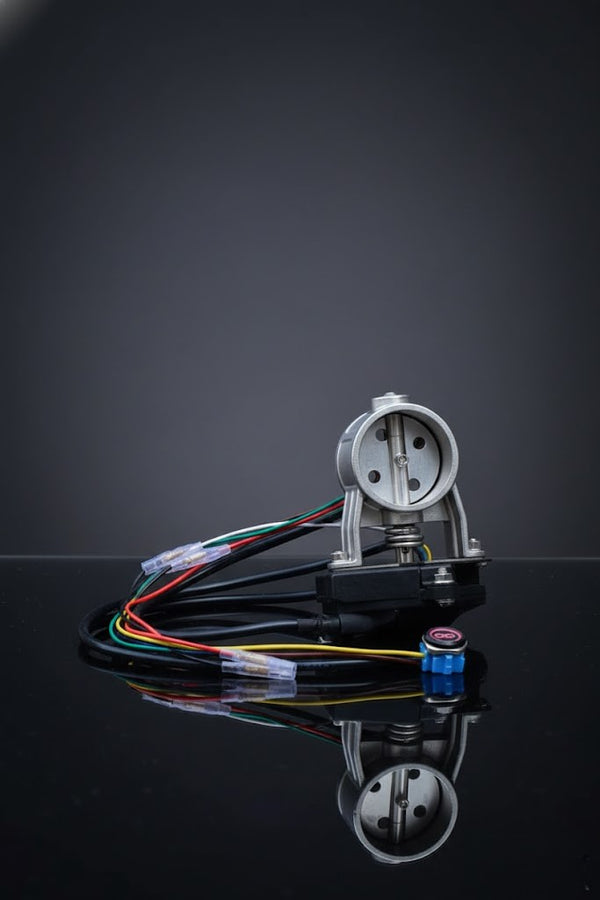
The valve is a flap that rotates to block or open the free-flow path inside the muffler.
- Valve closed: gases take the restricted path. The vehicle is quieter, with a little more back-pressure that can help low-down response. This is the mode for city use and early mornings.
- Valve open: gases flow straight out. The exhaust breathes freely for the strongest top-end and the full, loud note. This is the mode for open roads and the track.
On factory systems the vehicle opens and closes the valve automatically by rpm, gear and throttle. On an aftermarket setup you control it yourself with a switch, a remote, a cable or engine vacuum.
Electric, manual or vacuum: the three ways to control the valve
Rawtorque stocks all three types of valvetronic control, and you can browse the full valvetronic range in one place. The electric and manual modules suit valved motorcycle exhausts, while the vacuum end cans are a car application.
- Electric (automatic) controller, Rs 6,999 (bikes): the Valvetronic electric exhaust control module opens and closes the valve on a switch or remote, so you change modes on the move.
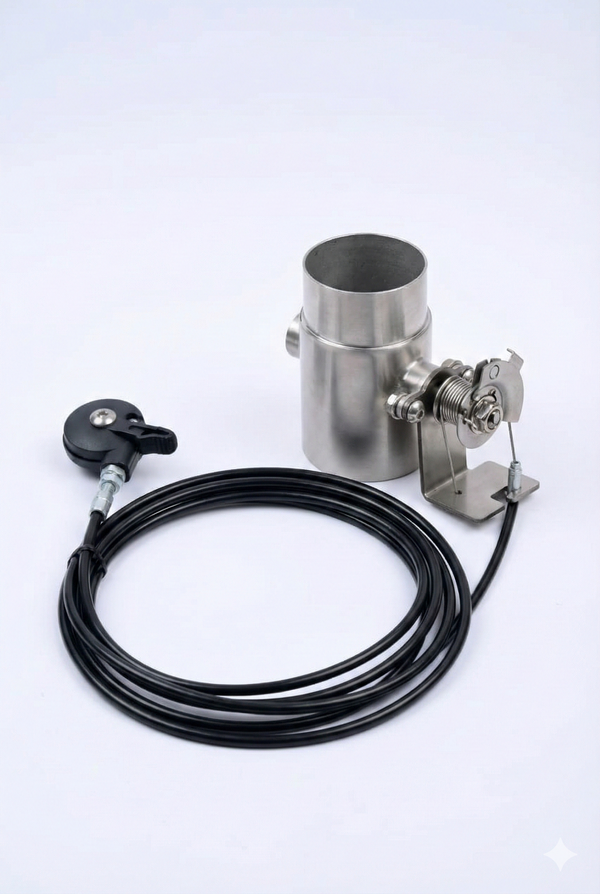
- Manual (cable-operated), Rs 3,999 (bikes): the Valvetronic manual valve control module uses a simple cable and lever you set by hand, the most affordable way in.
- Vacuum-operated end cans with remote, Rs 22,000 (cars): the Valvetronic exhaust end cans are a vacuum-operated, universal-fit set designed mainly for cars, with the valve, silencers and a wireless remote in one kit. Press the remote to open the valve for a louder note or close it for a quiet cruise.
Valvetronic exhausts for cars
On a car, the usual route is the Valvetronic vacuum end cans with remote (Rs 22,000), because they bring the valve, silencers and control hardware together in one universal-fit kit. The valve is held closed by engine vacuum for a quiet, refined cruise, and you open it from the wireless remote when you want a deeper, louder note. It is a popular way to give a daily car a switchable exhaust character without replacing the whole system, and it suits hatchbacks, sedans and performance cars alike. As with bikes, keep the valve closed in town and use the open mode where higher noise is appropriate.
Valvetronic valve control for motorcycles
On a bike that already has a valved exhaust, you do not need new silencers, just a controller for the valve. The manual cable module (Rs 3,999) is the simplest and most affordable way to take charge of both modes, while the electric module (Rs 6,999) adds switch and automatic control. Both cover a wide spread of popular bikes, from Royal Enfield and KTM to Honda, Bajaj, Yamaha, Triumph and the 650 twins.
Can you add a valvetronic system to any bike or car?
In most cases, yes. For bikes, the controllers are designed to drive a valve on a wide range of machines, so you can take control of an existing valved exhaust: the manual module is the simplest retrofit, while the electric module gives push-button and automatic control. For cars, the vacuum end cans are a universal fit that adds the valve and the remote together, so you can build a switchable system even if the car never had a valve. If you are not sure what suits your vehicle, our team can offer fitment guidance.
Are valvetronic exhausts legal in India?
A valvetronic system is actually the more considerate choice, because you can run in the quiet, closed mode in the city and on early mornings. That said, road use still depends on local noise rules, and the open mode is loud, so it is best saved for open roads and the track. India enforces noise limits and emissions rules, so keep the valve closed where it matters and check your state and city regulations, whether you ride a bike or drive a car.
Valvetronic vs a normal slip-on or full system
A standard slip-on or full-system exhaust has one fixed character. A valvetronic setup gives you two in one: quiet and civil when you want it, loud and free-flowing when you do not. If you use the vehicle in the city during the week and want to open it up at the weekend, a valve controller or vacuum end cans are the flexible choice.
How to choose (fitment guidance)
- Bike or car? Bikes use the manual or electric valve module on a valved exhaust; cars use the vacuum end cans, which include the valve.
- Pick your control type: manual cable for value, electric for push-button switching, or complete vacuum end cans for an all-in-one car set.
- Plan your fuelling: if you also free up flow with a de-cat or full system on a bike, a fuel controller such as FuelX or PowerTRONIC keeps it running smoothly.
If you are unsure which valvetronic setup suits your vehicle, our team is happy to help before you order.
Why buy from Rawtorque
- Genuine valvetronic modules and exhausts, sold by a registered Indian business.
- Partial COD on serviceable pincodes: pay a small advance online to confirm, balance on delivery.
- Dispatch in 1 to 2 business days, delivery in 3 to 7 business days across India.
- Fitment guidance from our team so you order the right setup the first time.
Frequently asked questions
What is a valvetronic exhaust?
A valvetronic exhaust has a valve inside the muffler that switches between a quiet, restricted mode and a loud, free-flowing mode. Closed it keeps the vehicle civil; open it lets the exhaust breathe for the full note and top-end. It can be controlled electrically, by a manual cable, or by engine vacuum.
How does an active exhaust valve work?
A butterfly valve rotates to block or open the free-flow path in the muffler. Closed, gases take a longer baffled route for a quieter sound; open, they go straight out for maximum flow and a louder note. Factory systems switch it automatically; aftermarket setups let you control it.
What is the difference between an electric and a manual valvetronic module?
A manual valvetronic module (Rs 3,999) uses a cable and lever you set by hand. An electric module (Rs 6,999) opens and closes the valve on a switch or remote so you can change modes while riding. Both are for valved motorcycle exhausts; the electric one is more convenient.
Is the valvetronic exhaust for bikes or cars?
Both. The manual (Rs 3,999) and electric (Rs 6,999) valve modules are for motorcycles with a valved exhaust. The vacuum-operated end cans with remote (Rs 22,000) are a universal-fit kit designed mainly for cars, bringing the valve, silencers and remote together in one set.
Are valvetronic exhausts legal in India?
You can run in the quiet closed mode in the city, which is the considerate choice, but the open mode is loud and best kept for open roads or the track. Road use depends on local noise limits, so check your state and city rules for your bike or car.
Does a valvetronic exhaust add power?
Opening the valve frees up exhaust flow for stronger top-end, while the closed mode keeps low-down response and a civil sound. The main benefit is control over sound and flow; for the biggest gains on a bike, pair it with a free-flow exhaust and a fuel controller such as FuelX or PowerTRONIC.
Written by the Rawtorque Editorial Team. Rawtorque supplies valvetronic exhaust modules, performance exhausts and tuning to riders and drivers across India. Last updated 22 August 2026.
Related guides: Top exhaust brands in India, Stage 1, 2 and 3 kits explained, Best engine oil for Royal Enfield.
Featured in this guide