Performance Guides
Stage 1, 2 & 3 Tuning Explained: Car and Bike Performance Upgrades (2026)
What Stage 1, 2 and 3 mean in motorcycle tuning: which bolt-ons belong in each stage, what gains to expect, and the air filters, fuel controllers, exhausts and ECUs that build each kit.

Stage 1, 2 and 3 describe how far you take a performance build. Stage 1 is bolt-on basics, a high-flow air filter, a free-flow exhaust and fuelling or a remap, for easy, reliable gains. Stage 2 adds bigger hardware such as a full exhaust system and a piggyback ECU for stronger results. Stage 3 means deeper engine work, cams, porting or forced induction, and is specialist territory. The stages are a roadmap, not fixed rules, and most riders are best served by a well-matched Stage 1. This guide explains each stage and the parts that build it.
You can browse performance parts while you read.
What do Stage 1, 2 and 3 mean?
They are levels of modification, each building on the last. The idea comes from tuning culture: rather than change everything at once, you add parts in groups that work together, so the bike stays reliable and the fuelling stays correct. The further up the stages you go, the bigger the gains, the higher the cost, and the more the bike moves away from stock manners and warranty.
| Stage | Typical parts | What it does | Effort and cost |
|---|---|---|---|
| Stage 1 | High-flow air filter, slip-on or free-flow exhaust, fuel controller or remap | Sharper throttle, freer breathing, a better note, modest power and feel gains | Bolt-on, plug-and-play, reversible |
| Stage 2 | Full exhaust system, piggyback ECU, sometimes a bigger throttle body or cams | Larger, more consistent power gains across the rev range | More involved, fuelling must be dialled in |
| Stage 3 | Performance cams, head porting, high-compression pistons or forced induction | Major power, a different engine character | Engine work, specialist tuning, not plug-and-play |
Stage 1: the bolt-on basics
Stage 1 is where almost everyone should start. The aim is to help the engine breathe in and out more freely, then correct the fuelling so it runs cleanly. Nothing here opens the engine up, so it is reliable, mostly reversible, and friendly for daily riding. A typical Stage 1 kit is:
- High-flow air filter: a washable performance filter lets the engine draw air more freely. The NGage Hyper Flow (from around Rs 2,499) and BMC (from around Rs 5,689) filters are direct-fit replacements for most popular bikes.
- Free-flow exhaust: a slip-on or free-flow performance exhaust reduces restriction and adds character.
- Fuelling, the key step: once the bike breathes more freely, it needs more fuel to match. A plug-and-play fuel controller such as the FuelX autotune module (FuelX Lite from Rs 7,469, FuelX Pro+ from Rs 13,449) adjusts the air-fuel ratio in real time, so throttle response improves and the engine does not run lean.
Many bikes in our catalogue carry a stage-1 tag on the matching air filter and fuel controller, so you can assemble a kit that is known to work together. Expect sharper response, smoother power and a better note rather than a dramatic peak-power jump.
Stage 2: bigger hardware and a piggyback ECU
Stage 2 builds on a Stage 1 bike when you want more. The hardware gets bigger and the tuning gets deeper, so the fuelling has to be managed properly:
- Full exhaust system: replacing the whole system, not just the end can, frees up more flow than a slip-on.
- Piggyback ECU: a unit such as the PowerTRONIC V4 (from Rs 19,449) plugs in alongside the stock ECU and lets you run performance maps, advancing the tune well beyond a fuel controller alone.
- Supporting parts: depending on the platform, a bigger throttle body or mild cams may join at this stage.
Stage 2 delivers larger, more consistent gains across the rev range, but it asks for correct mapping and is less about plug-and-play simplicity. You can find the controllers and ECUs together in the ECU tuning and fuel controllers collection.
Stage 3: engine work and forced induction
Stage 3 is specialist territory. This is where the engine is opened up or fundamentally changed: performance camshafts, ported cylinder heads, high-compression pistons, or forced induction such as a turbo or supercharger. The gains are large, but so is the cost, the complexity and the loss of stock reliability and warranty. Stage 3 needs professional building and custom dyno tuning, and it is rarely the right choice for a road bike in India. Most riders get the experience they want from a good Stage 1 or a measured Stage 2.
How much power do the stages add?
Honest expectations matter. On a typical Indian road bike, Stage 1 is felt more as sharper throttle, smoother delivery and a better sound than as a big dyno number. Stage 2 adds a more noticeable, measurable gain across the range. Stage 3 can transform output, but only with engine work and expert tuning. The biggest real-world improvement for most riders is the crisp, refined feel of a properly fuelled Stage 1, not raw peak horsepower.
Are staged kits legal and warranty-safe in India?
Bolt-on parts are widely used, but two points are worth knowing. First, exhausts must respect noise limits: keep sound within legal limits for road use, which is one reason a valvetronic exhaust with a closeable valve is popular. Second, modifications can affect your manufacturer warranty, so check before you start, and keep stock parts if you may need to revert. Reputable plug-and-play parts such as FuelX and PowerTRONIC are designed to be reversible, which helps.
How to build a Stage 1 kit for your bike (fitment guidance)
- Start with breathing: add a direct-fit high-flow air filter for your exact model.
- Add the exhaust: a slip-on or free-flow system matched to your bike.
- Sort the fuelling: fit a FuelX autotune module so the air-fuel ratio stays correct, the step that turns parts into real, clean gains.
- Grow into Stage 2 later: add a full system and a PowerTRONIC ECU when you want more.
If you are unsure which parts suit your model, our team is happy to offer fitment guidance before you order, so the kit works together.
Why build your stage kit with Rawtorque
- Genuine performance parts from FuelX, PowerTRONIC, BMC, NGage and more, sold by a registered Indian business.
- Partial COD on serviceable pincodes: pay a small advance online to confirm, balance on delivery.
- Dispatch in 1 to 2 business days, delivery in 3 to 7 business days across India.
- Fitment guidance from our team so your parts work together the first time.
Frequently asked questions
What is a Stage 1 kit for a motorcycle?
A Stage 1 kit is a set of bolt-on upgrades: a high-flow air filter, a free-flow or slip-on exhaust, and a fuel controller or remap to correct the air-fuel ratio. It improves throttle response, breathing and sound with modest, reliable gains, and it is plug-and-play and mostly reversible.
What is the difference between Stage 1 and Stage 2?
Stage 1 is bolt-on basics, an air filter, exhaust and fuelling. Stage 2 builds on it with bigger hardware such as a full exhaust system and a piggyback ECU like the PowerTRONIC V4, giving larger, more consistent gains but needing proper mapping. Stage 2 is less plug-and-play than Stage 1.
What does Stage 3 mean?
Stage 3 means deeper engine work: performance cams, head porting, high-compression pistons or forced induction such as a turbo or supercharger. It delivers major power but requires professional building and custom tuning, and it sacrifices stock reliability and warranty. It is specialist territory, rarely ideal for a road bike.
Do I need a fuel controller for a Stage 1 kit?
In most cases yes. Once a bike breathes more freely through a high-flow filter and a free-flow exhaust, it needs more fuel to match, or it can run lean. A plug-and-play fuel controller such as FuelX adjusts the air-fuel ratio in real time, which is what turns the parts into clean, usable gains.
How much power does a Stage 1 kit add?
On a typical Indian road bike, Stage 1 is felt mainly as sharper throttle, smoother delivery and a better sound rather than a big peak-power number. The refined, properly fuelled feel is the real benefit. Stage 2 adds a more measurable gain across the rev range.
Will a stage kit void my warranty?
It can. Modifications may affect your manufacturer warranty, so check the terms before you start and keep your stock parts if you might revert. Plug-and-play parts such as FuelX and PowerTRONIC are designed to be reversible, which helps if you need to return the bike to standard.
Written by the Rawtorque Editorial Team. Rawtorque supplies genuine performance parts from FuelX, PowerTRONIC, BMC, NGage and more to riders across India. Last updated 19 June 2026.
Related guides: Best performance air filter for your motorcycle, Top exhaust brands in India, What is a valvetronic exhaust.
Explore the range
Featured in this guide
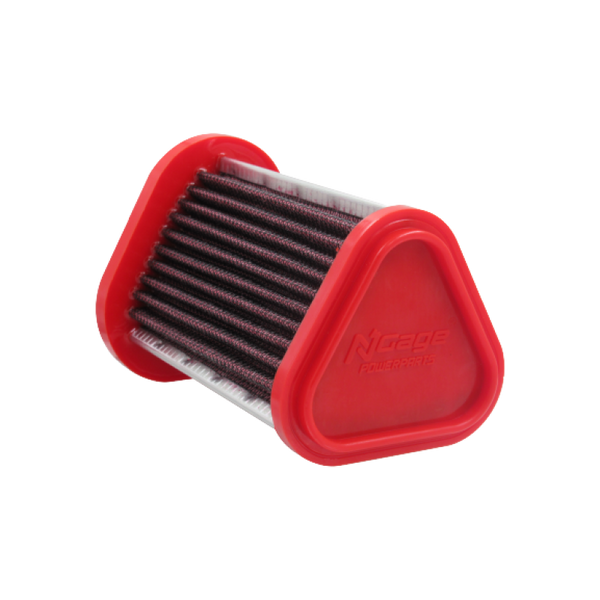
NGage Hyper Flow Air Filter for Royal Enfield Twins 650 / Interceptor / Continental GT / Bear 650 (BS4, BS6, Euro 4 & 5)
Rs. 2,899.00
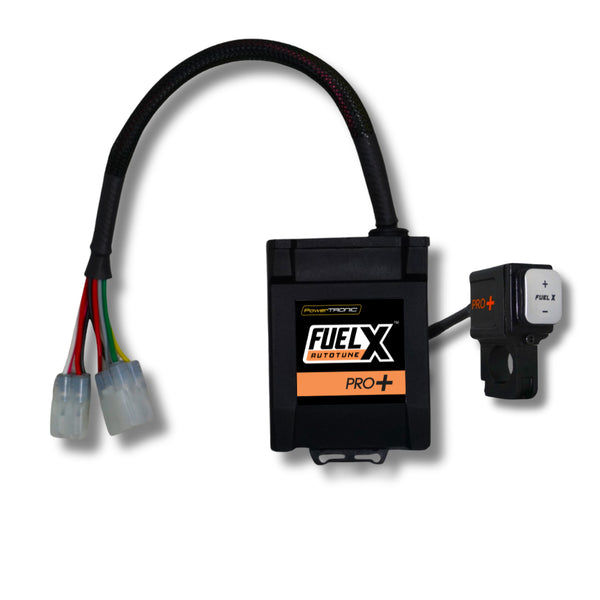
FuelX Pro+, Advanced Smart Autotune Module for Royal Enfield Motorcycles
Rs. 13,469.00
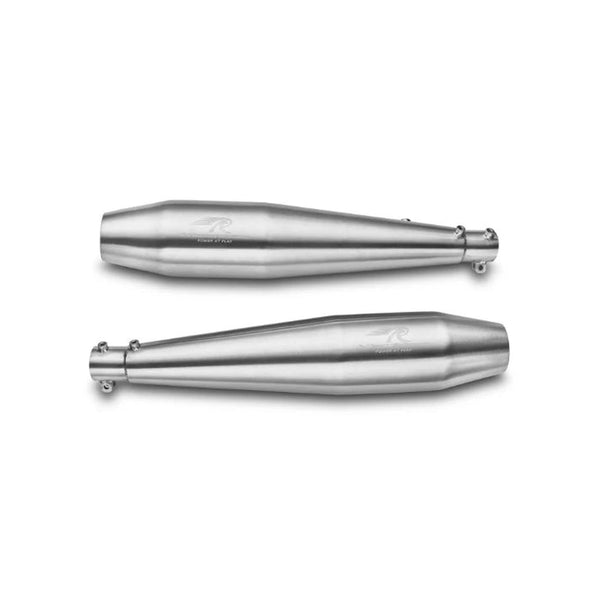
Red Rooster Stellar Exhaust for Interceptor 650 / Continental GT 650, Matte Finish (Brushed 304 SS)
Rs. 20,739.00
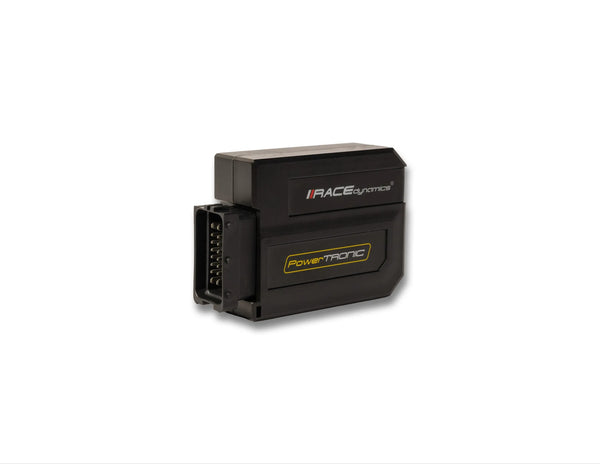
PowerTRONIC V4, Performance ECU for Bajaj Motorcycles
Rs. 21,449.00


