Performance Guides
How to Choose the Right Performance Brake Pads for Your Vehicle (2026 Guide)
Learn how to choose the right performance brake pads based on compound type, riding style and heat tolerance for Indian road conditions.

Introduction
Upgrading brake pads is one of the most practical performance modifications for both motorcycles and cars.
Unlike power upgrades, brake improvements immediately enhance safety, control and confidence.
Choosing the right performance brake pad depends on driving style, riding conditions and heat management requirements.
Why Upgrade to Performance Brake Pads?
Factory brake pads are designed for:
-
Cost efficiency
-
Low noise
-
Average daily driving
Performance brake pads are designed for:
-
Higher heat resistance
-
Improved bite
-
Reduced brake fade
-
Better stopping consistency
In Indian traffic conditions, repeated braking generates significant heat. That’s where upgraded pads make a difference.
Types of Performance Brake Pad Compounds
1. Organic (NAO – Non-Asbestos Organic)
Pros:
-
Quiet operation
-
Less rotor wear
Cons:
-
Lower heat tolerance
-
Not ideal for aggressive riding
Best for: Light daily use.
2. Semi-Metallic
Pros:
-
Better heat resistance
-
Improved braking bite
-
Durable under stress
Cons:
-
Slightly more noise
-
Increased rotor wear compared to organic
Best for: Daily performance use and spirited riding.
3. Ceramic
Pros:
-
Stable performance under heat
-
Low dust
-
Consistent braking
Cons:
-
Higher cost
-
May require proper bedding procedure
Best for: Performance-focused street driving.
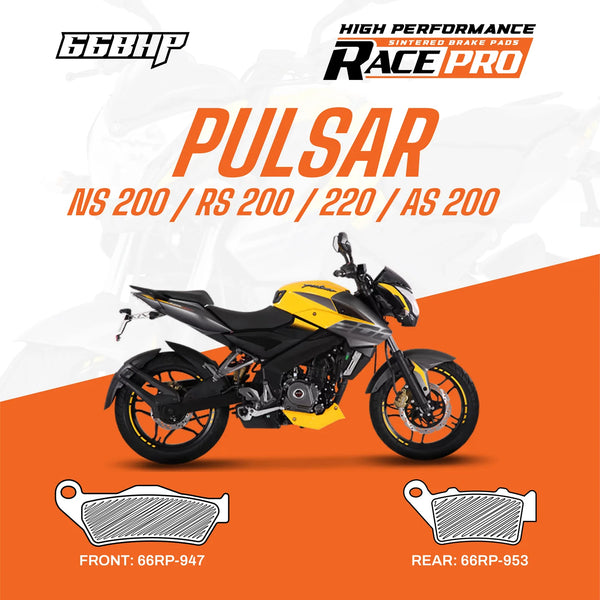
4. Sintered Brake Pads
Pros:
-
Excellent heat resistance
-
Strong initial bite
-
Reliable performance in wet conditions
-
Suitable for aggressive riding
Cons:
-
Can increase rotor wear
-
May produce more braking noise
Best for: Motorcycles used for spirited riding, touring, or high-heat braking conditions.
Street vs Track Brake Pads
Street-oriented pads:
-
Designed for cold bite
-
Balanced noise control
-
Suitable for stop-and-go traffic
Track-oriented pads:
-
Require high operating temperatures
-
Louder
-
May perform poorly when cold
For most riders and drivers in India, street-performance pads are the smarter choice.
Key Factors to Consider Before Buying
-
Vehicle compatibility
-
Riding or driving style
-
Typical road conditions
-
Heat exposure frequency
-
Rotor condition
Brake upgrades should always match usage patterns.
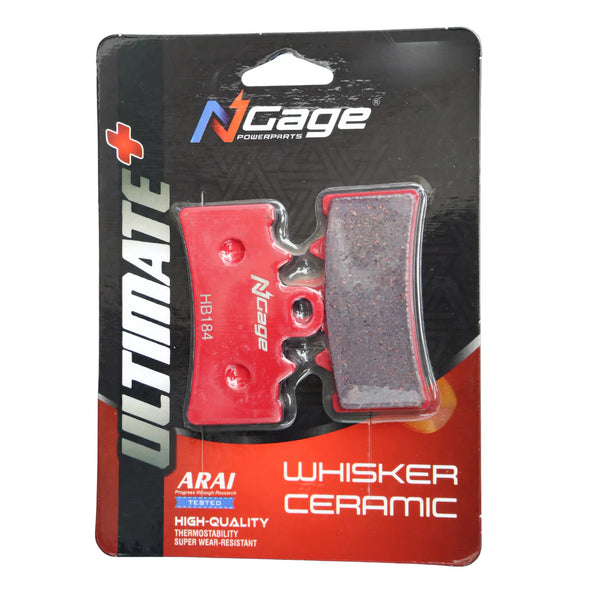
For riders looking for reliable street-performance compounds, our NGage brake pads collection features model-specific compounds engineered for consistent braking performance under Indian road conditions.
Do Performance Brake Pads Increase Stopping Power?
They improve braking consistency and fade resistance, especially under repeated use.
Stopping distance improvements depend on tyre grip, suspension setup and brake system condition.
Braking is a system - not a single component.
When Should You Replace Brake Pads?
Replace pads if you notice:
-
Squealing noise
-
Reduced braking response
-
Increased stopping distance
-
Vibrations under braking
Regular inspection is critical for performance and safety.
Frequently Asked Questions
Are performance brake pads safe for daily driving?
Yes, if you choose street-oriented compounds.
Do performance pads damage rotors?
Higher friction compounds may increase rotor wear slightly, but proper bedding reduces risk.
Should I upgrade rotors as well?
Only if current rotors are worn or if upgrading to aggressive compound pads.
Featured in this guide